



Blue Ceramic Teacup
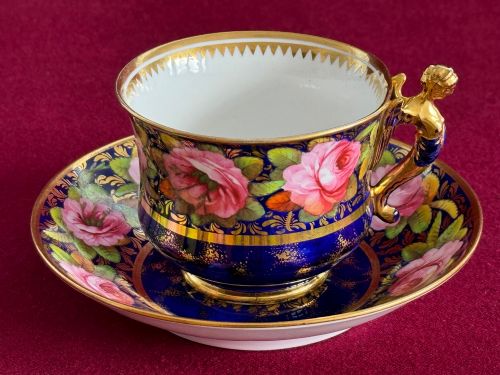
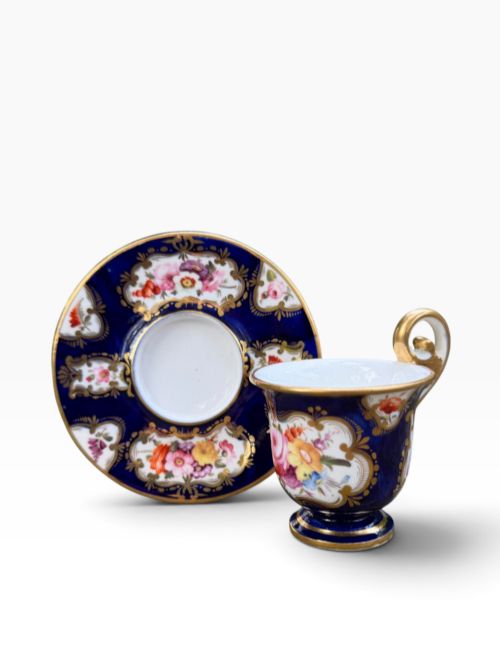
A blue ceramic teacup holds centuries of porcelain history, offering a tactile connection to domestic rituals through hand-painted cobalt and refined paste.
Blue Ceramic Teacup
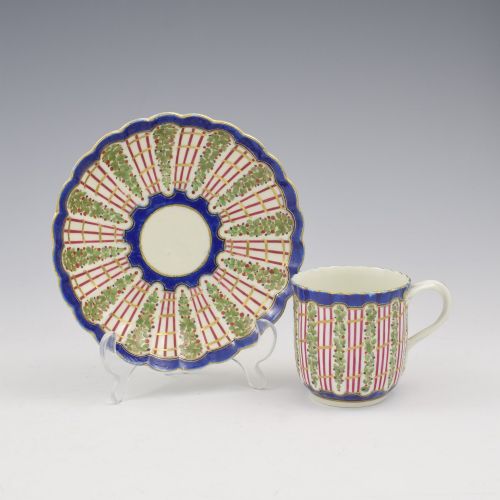
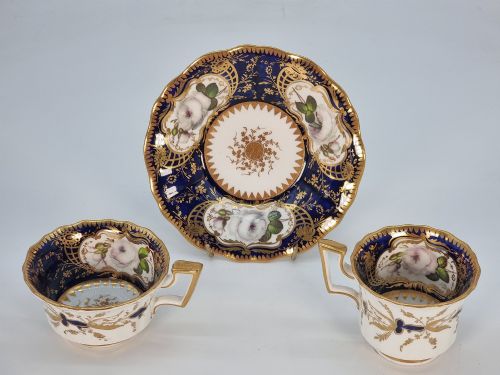
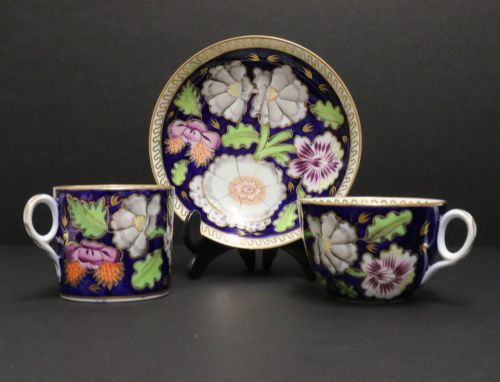
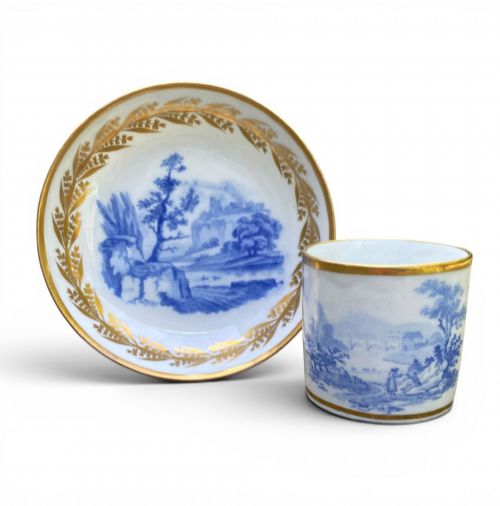
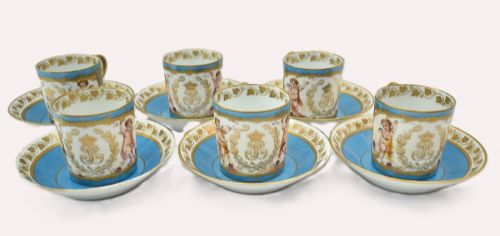
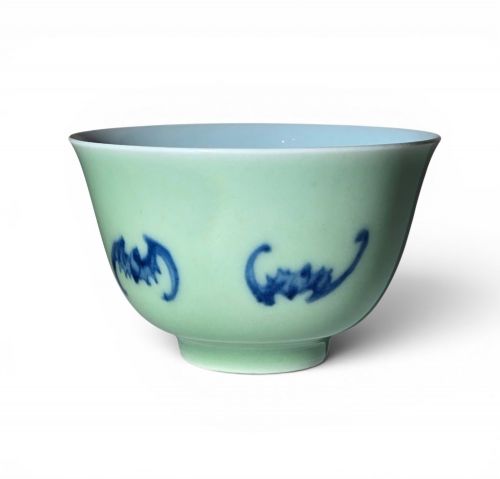
A blue ceramic teacup brings together centuries of ceramic design, ranging from eighteenth-century English tea bowls to nineteenth-century cabinet trios. When searching for a blue ceramic teacup, buyers encounter various forms including saucers, coffee cans, and complete afternoon tea services. Pieces span the Georgian, Regency, and Victorian eras alongside continental and Asian workshops.
Assessing quality and execution
Quality rests in the crispness of the cobalt underglaze transfer or the precision of the hand-painted brushwork. Superior pieces display even glaze coverage without excessive pooling, firing cracks, or warping from the kiln. The translucency of the porcelain body and the finesse of the gilding further distinguish standard domestic wares from exhibition-grade cabinet pieces.
The integrity of the form and the preservation of hand-gilded details dictate the standing of an individual cup and saucer. Workshops known for technical innovation, such as Worcester, Coalport, and Spode, achieved finer body compositions that affect the weight and resonance of the ceramic. Collectors look for balanced proportions between the cup handle, body, and matching saucer.
Blue Ceramic Teacup Retail Price Guide 2026
Typical asking prices for blue ceramic teacup among the pieces listed under this phrase on Sellingantiques today, from the lower quarter to the upper quarter. They describe what is for sale here now, not the wider market.
Listings feature porcelain, bone china, and soft-paste porcelain across the 18th century, 19th century, and early 20th century.
Spode·Newhall·Coalport·Worcester·Sevres·Moscow Factory·Moser·Yates·Minton·Sutherland
The Blue Ceramic Teacup Glossary
- Cobalt Underglaze
- A blue pigment applied to the ceramic body beneath the clear glaze before firing. This method ensures the decoration remains durable and impervious to wear.
- Soft-Paste Porcelain
- A ceramic composition containing glass frit and white clay, fired at lower temperatures than hard-paste porcelain. It produces a warm, creamy body with distinct translucency.
- Cabinet Trio
- A matching set comprising a teacup, coffee cup or tea bowl, and a saucer. These pieces were often made for display in parlours rather than everyday consumption.
- Tea Bowl
- A handleless drinking vessel derived from Chinese prototypes. Eighteenth-century English makers frequently produced these alongside matching saucers.
Blue Ceramic Teacup: Frequently Asked Questions
How do I date a blue ceramic teacup?
Dating relies on identifying paste compositions, factory marks, and decorative styles such as Chinoiserie or Regency neoclassical motifs. Examining the base, glaze texture, and handle shape provides further clues regarding the manufacturing decade.
Comparison with documented factory patterns helps narrow the timeframe. Subtle changes in ceramic formulas between the Georgian and Victorian eras also assist in establishing age.
Were these teacups used daily?
Many surviving pieces originated as functional items for afternoon tea, while delicate cabinet cups served primarily for display. Traces of wear on the interior or saucer base often indicate historical use in domestic settings.
Heavier bone china sets saw robust service in Victorian households. Finer porcelain trios were frequently reserved for formal entertaining and polite company.
What is the difference between a tea bowl and a teacup?
Tea bowls lack handles, following the traditional Chinese form imported into Europe during the early trade periods. Teacups incorporate fitted loop or ring handles for easier lifting.
Both forms appeared alongside matching saucers throughout the eighteenth century. Makers gradually transitioned toward handled cups as European dining habits evolved.
How should I care for antique porcelain?
Antique porcelain requires gentle hand washing in lukewarm water with mild detergent, avoiding abrasive sponges or modern dishwashers. Secure storage away from direct sunlight protects delicate enamels and gold leaf.
Sudden temperature changes can stress old ceramic bodies, so thermal shock must be prevented. Handling pieces by both the cup body and saucer minimises strain on delicate handles.