

Blue Canvas Landscape Painting
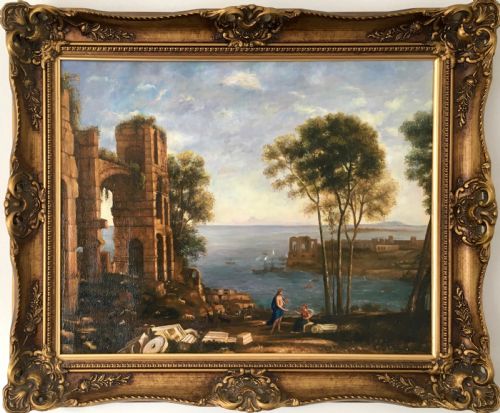
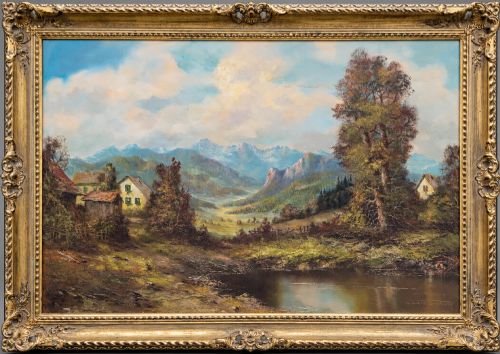
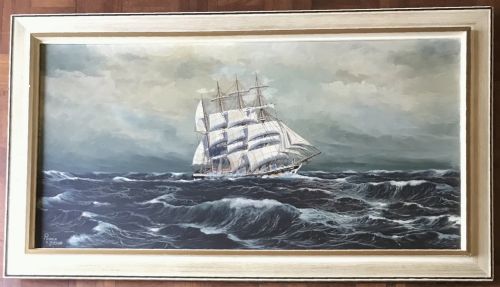
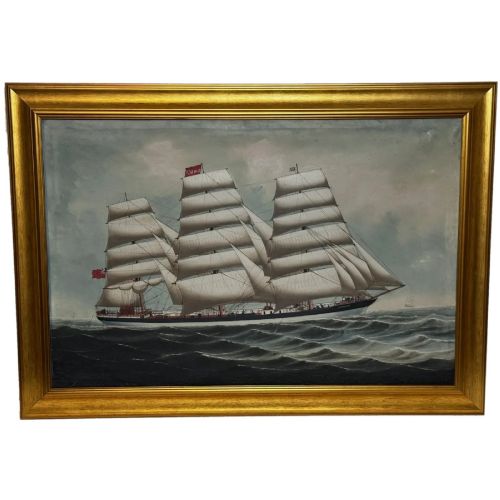
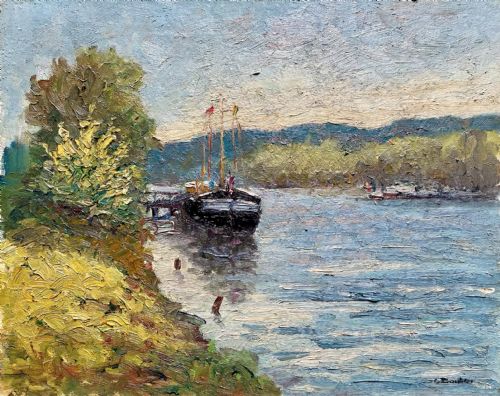
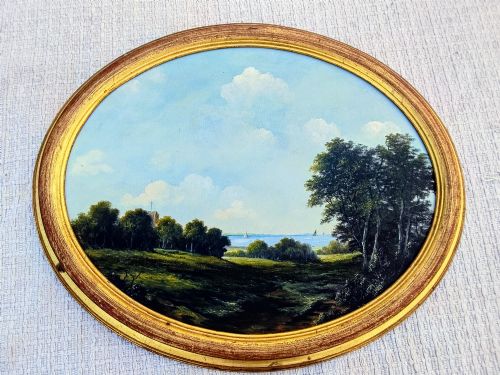
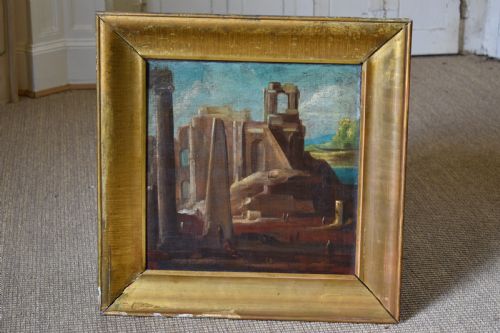
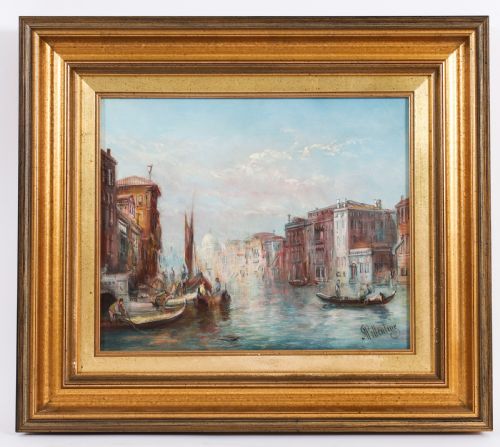
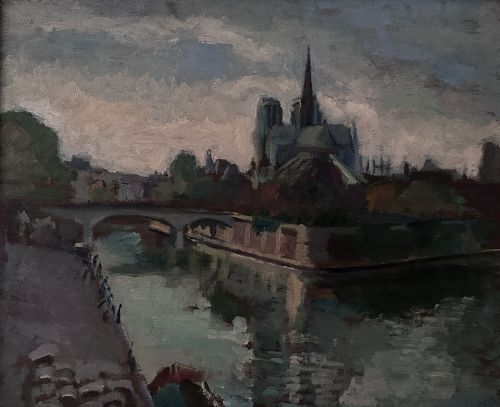
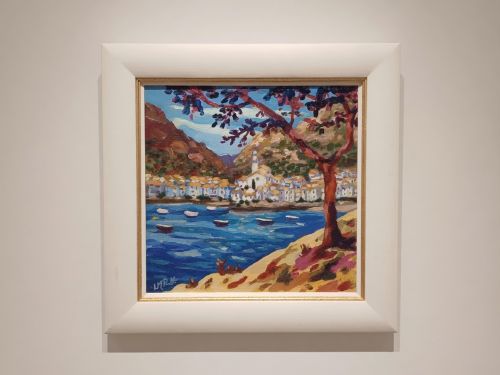
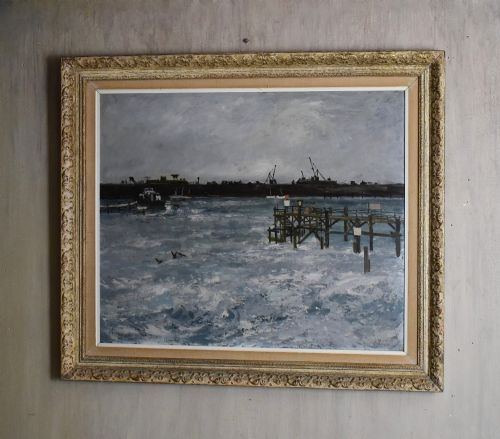
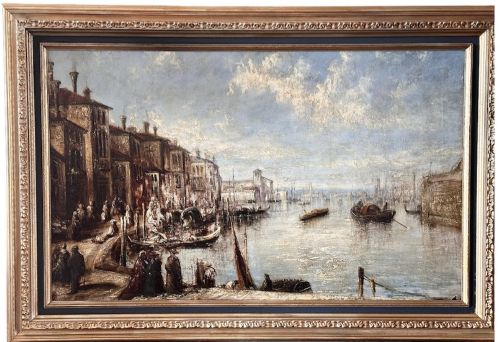
When you search for a blue canvas landscape painting, you are looking for oil on canvas works dominated by blue tones, spanning the nineteenth century to contemporary periods.
Blue Canvas Landscape Painting
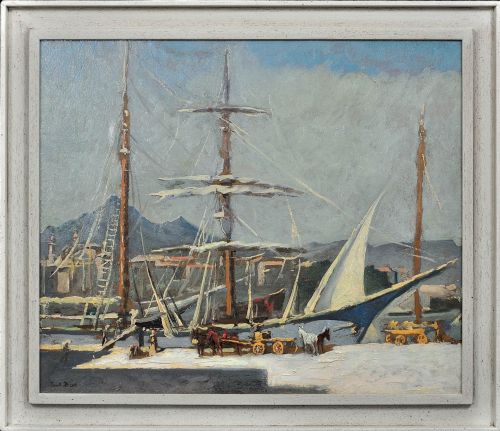
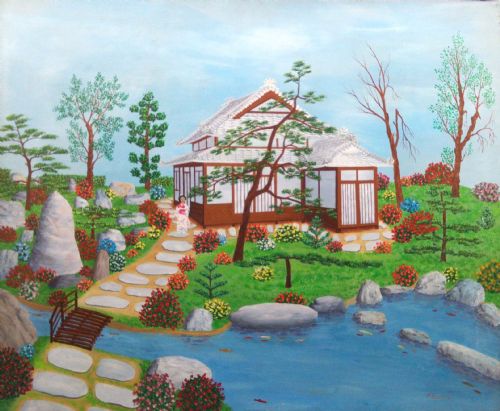
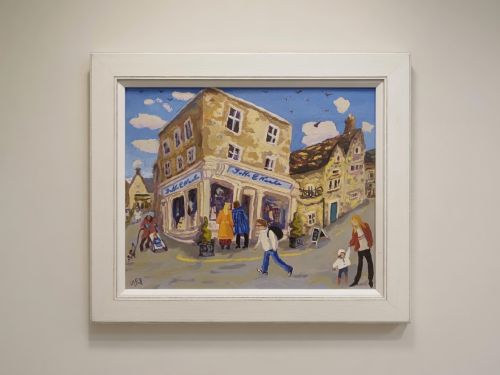
A blue canvas landscape painting brings together marine scenes, coastal views, and cityscapes executed in oil paint across diverse periods. The selection includes nineteenth century pieces alongside works from the nineteen twenties, nineteen thirties, nineteen fifties, and nineteen sixties.
Buyers encounter British Impressionism, Post-Impressionism, and Mid-Century Modern styles within these listings. Subjects range from Venetian canals and marine vistas to rural riversides and urban street scenes.
Many items pair the painted canvas with a wood frame or a gilded wood frame. Works span from traditional nineteenth century British and European schools to later modernist interpretations.
Materials and construction
The primary medium across these listings is oil paint applied to woven canvas supports. Artists built up textures using oil pigments, sometimes working on oval or rectangular formats.
Surviving works are frequently housed in their original wood frames or gilded wood frames. The combination of oil paint and canvas provides durability, while the framing protects the perimeter of the picture.
Periods represented span from the nineteenth century through the nineteen sixties and later.
Distinctions in quality
Quality in a blue canvas landscape painting rests on the confidence of the brushwork and the handling of light within the blue palette. Stronger pieces demonstrate assured command of atmosphere, perspective, and tonal depth.
The integrity of the canvas support and the preservation of the original oil paint layer influence the standing of a work. Sympathetic framing in wood or gilded wood complements the visual impact without overshadowing the composition.
Reginald Arthur Borstel·Alfred Pollentine·Francis Moltino·Albert Bierstadt·Joseph Farquharson·Caroline Burnett
The Blue Canvas Landscape Painting Glossary
- Canvas
- A heavy woven fabric used as a surface for oil painting. It is typically stretched tightly over a wooden frame before work begins.
- Oil Paint
- A slow-drying paint made by mixing pigments with oils such as linseed. This medium allows for rich colour blending and textured impasto application.
- Gilded Wood
- Wood treated with a thin layer of gold leaf or gold-coloured finish. It is commonly found on frames enclosing traditional paintings.
- Post-Impressionism
- An art movement developing roughly from the late nineteenth century that extended Impressionism while rejecting its limitations. Artists focused on symbolic content and heavier use of distinct colours.
- Impressionism
- A nineteenth century painting style characterised by relatively small, thin, yet visible brush strokes and accurate depiction of light.
Blue Canvas Landscape Painting: Frequently Asked Questions
How do I clean a blue canvas landscape painting?
Surface dust should be removed gently using a soft, dry brush without applying pressure to the painted surface. Avoid liquid cleaners or household agents, as these can damage the oil paint.
Professional conservation is recommended for deeper cleaning or removal of accumulated grime. Keep the canvas away from direct heat sources and high humidity to prevent warping.
Are these paintings supplied with frames?
Many listings include original or period-appropriate wood and gilded wood frames that complement the artwork. The framing details are noted in the individual item descriptions.
Frames protect the edges of the canvas and complete the presentation of the piece. Buyers should check specific descriptions to confirm whether a particular frame is included.
How can I tell the period of a painting?
The period can often be identified through the painting style, stretcher construction, canvas type, and framing materials. Stylistic markers range from nineteenth century academic realism to mid-century modern abstraction.
Signatures, dates, and recorded exhibition histories provide further confirmation of a work's age. Comparing brushwork techniques to known movements helps place the piece accurately.
Where were these landscape paintings produced?
The works originate from various European and international schools, including British, French, and Latin American workshops. Coastal and urban scenes depict locations across Britain, Venice, Paris, and Sicily.
Geographic origins are determined by subject matter, artist biographies, and stylistic traditions recorded in the listings. This diversity reflects international artistic exchange throughout the nineteenth and twentieth centuries.