

Blue Canvas Artwork
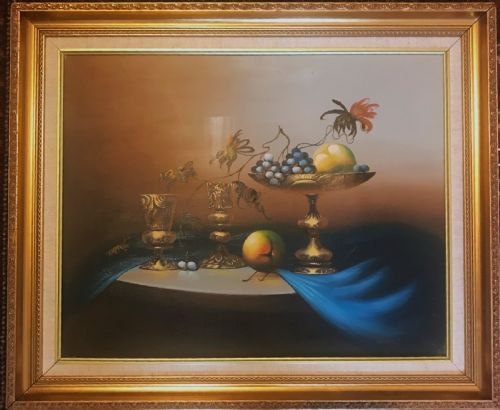
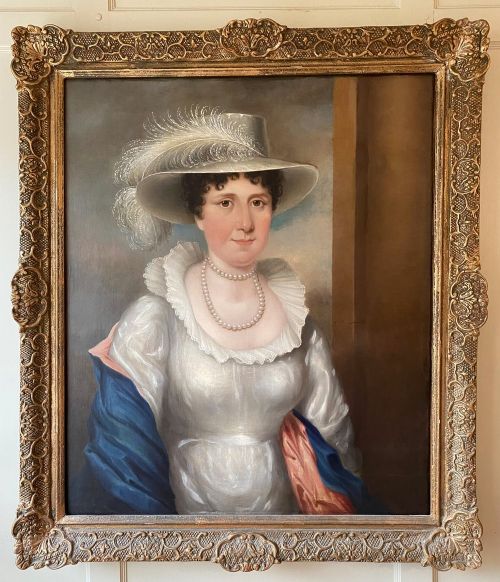
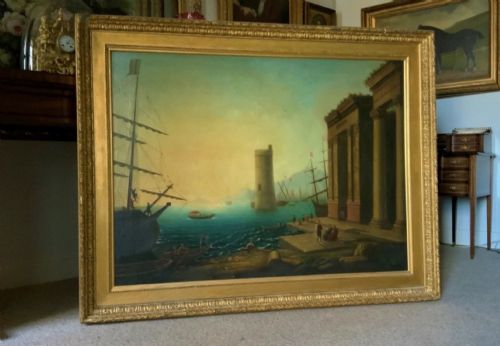
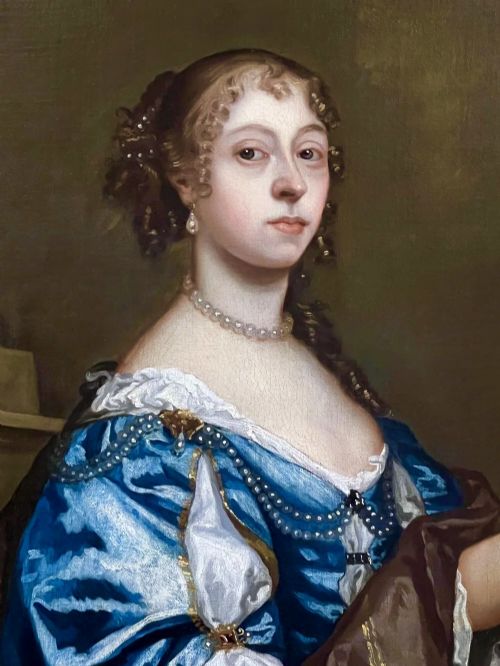
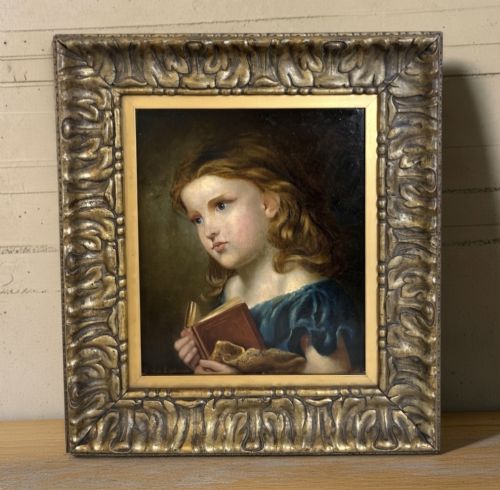
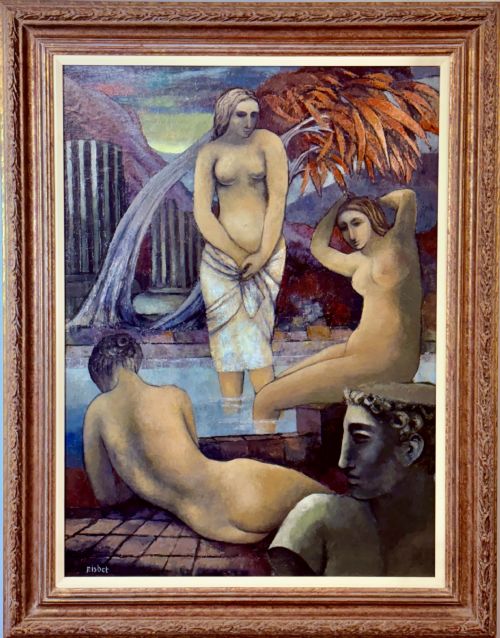
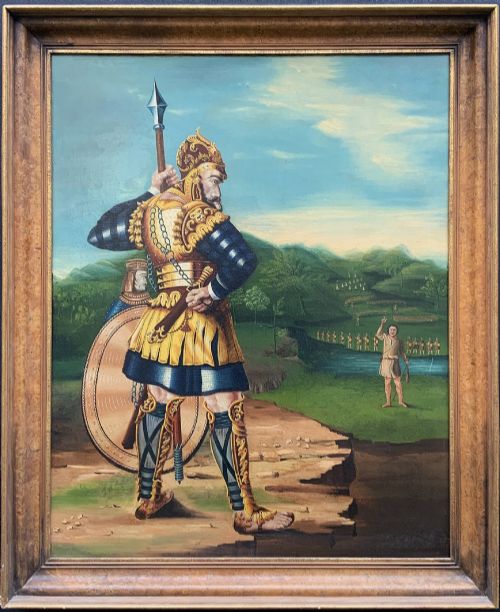
Blue canvas artwork brings together centuries of painted oil scenes and portraits upon woven textile supports, offering interiors a rich historical focal point.
Blue Canvas Artwork
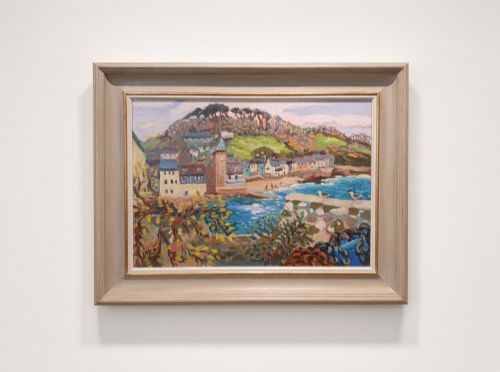
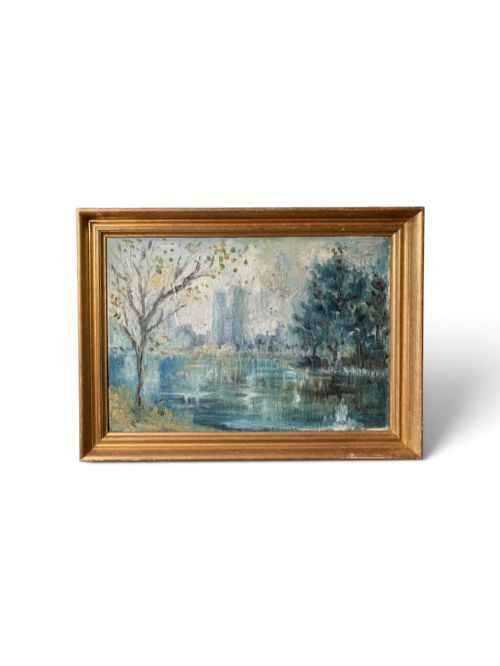
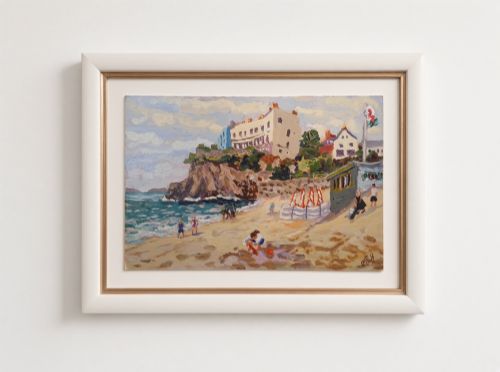
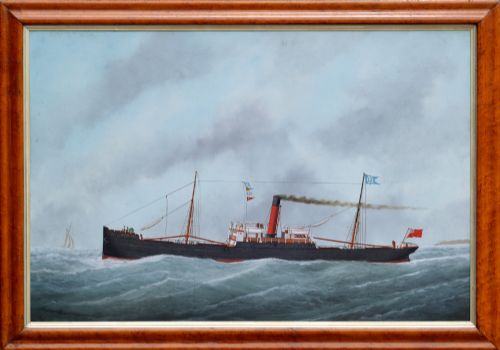
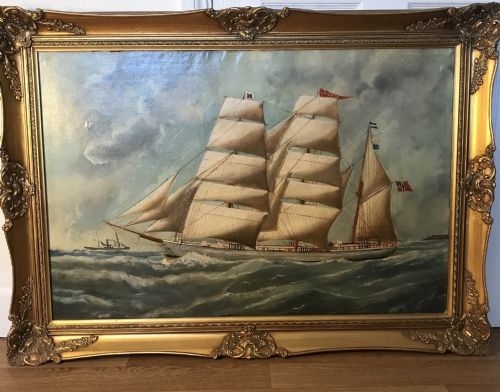
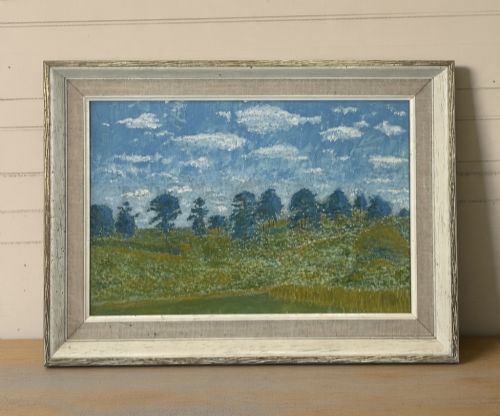
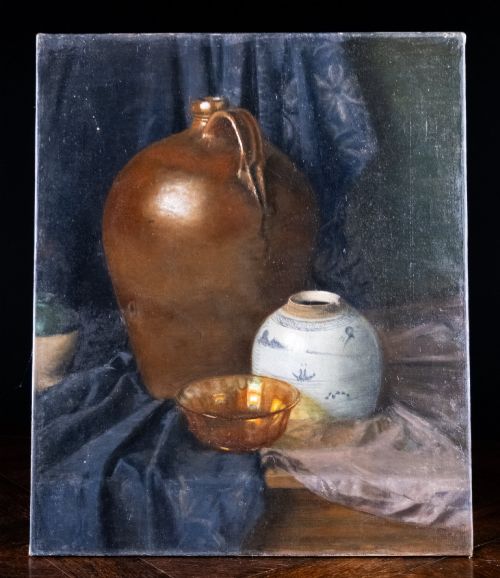
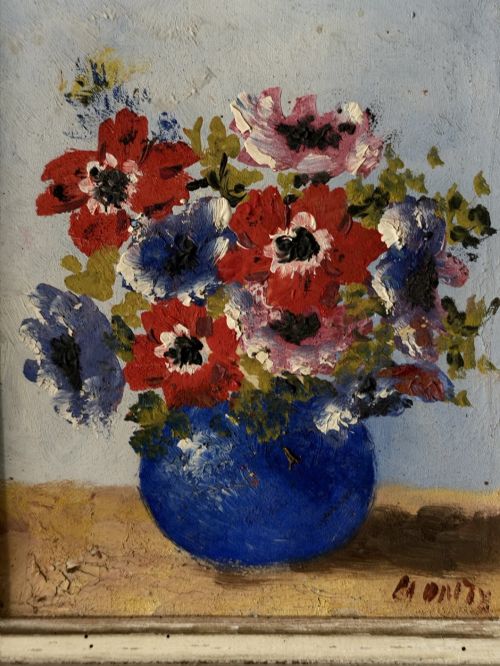
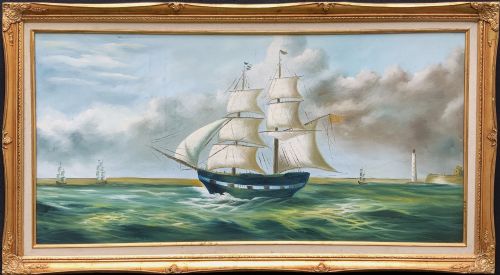
Collectors seeking blue canvas artwork encounter oil paintings spanning from the seventeenth century through to the mid-twentieth century. The selection encompasses maritime seascapes, classical portraits, and modernist abstracts.
Most pieces on this page utilise canvas or oil on canvas substrates, often mounted within period frames of giltwood or gilded wood. Subjects range from British coastal vessels to Italian architectural vistas.
Materials and methods
Makers utilised oil paint applied to woven canvas stretched over wooden frames, occasionally substituting wooden boards as a rigid support. Frames were constructed from timber, such as giltwood, sometimes incorporating carved gesso ornaments.
Pigments were layered to build depth in marine waters, skies, and garment details, preserving brushwork that identifies periods from the Georgian era to the mid-century modern movement.
Blue Canvas Artwork Retail Price Guide 2026
Typical asking prices for blue canvas artwork among the pieces listed under this phrase on Sellingantiques today, from the lower quarter to the upper quarter. They describe what is for sale here now, not the wider market.
Racing pigeons immortalised in oil paint share wall space with grand maritime tall ships and Venetian canals.
Distinguishing quality
The standard of a canvas painting rests in the handling of light, brush control, and the preservation of the original paint surface without extensive overpainting. Portraiture and maritime scenes demonstrate superior execution when anatomical proportions or rigging details remain precise and expressive.
Framing contributes to the integrity of the piece; works retained in their original gilt gesso or carved wood frames hold greater historical coherence than those later re-framed.
Christine Nisbet·Glyn Warren Philpot·William Calcott Knell·Michele Federico·Francis Lindo
The Blue Canvas Artwork Glossary
- Canvas
- A heavy woven fabric, typically hemp or linen, used as a support surface for oil paintings. It is stretched tightly across a wooden frame before painting begins.
- Giltwood
- Timber that has been coated with a thin layer of gold leaf or gold powder. This material frequently appears on antique picture frames.
- Impressionism
- A nineteenth-century art movement characterised by relatively small, thin yet visible brush strokes and an emphasis on accurate depiction of light. Works from this style capture transient moments in nature.
- Plein air
- The act of painting outdoors, allowing artists to directly observe landscape lighting and weather conditions. This technique became prominent in French and British nineteenth-century painting.
- Gesso
- A plaster mixture consisting of a binder mixed with chalk, gypsum, or pigment, applied to wood or canvas. It creates a smooth surface ready for oil paint application.
Blue Canvas Artwork: Frequently Asked Questions
Are original frames important?
Original giltwood or gilded wood frames provide historical context and complement the period of the artwork. They protect the canvas edges from wear over centuries.
Matching frames also maintain the overall aesthetic balance intended by the artist or contemporary owners. Replacing them can alter the visual weight of the piece.
Where should I hang these paintings?
Canvas artworks require stable interior environments away from direct sunlight and excessive humidity. Fluctuating temperatures cause wood stretchers and canvas to warp or crack.
Positioning pieces on interior walls protects the oil paint from fading and thermal stress. Proper hanging hardware suited to the weight of the timber frame is essential.
How do I date a canvas painting?
Dating relies on stylistic evidence, artist signatures, framing techniques, and the type of canvas weave. Georgian and Victorian portraits often feature specific costume details and hairstyles.
Backboards, stretcher construction, and old exhibition labels provide further clues to the decade of creation. Comparing brushwork with known works helps confirm the period.