



Blue Bowl Art
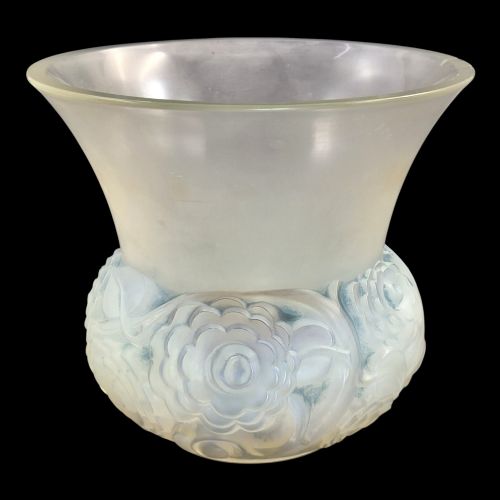
Blue bowl art gathers together decorative bowls and glass vessels shaped by the design movements of the nineteenth and twentieth centuries.
Blue Bowl Art
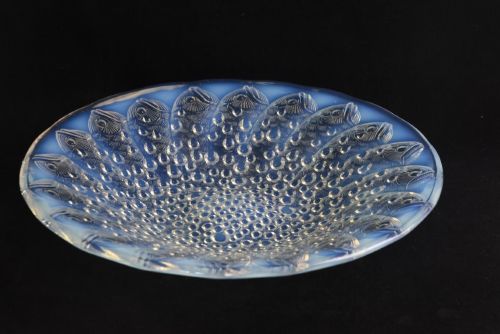
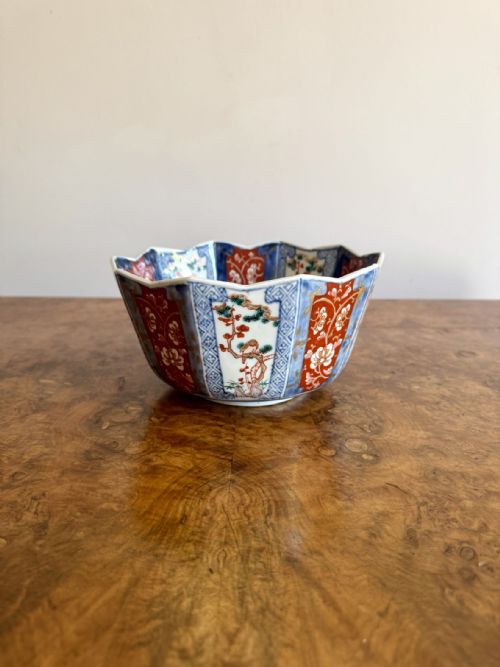
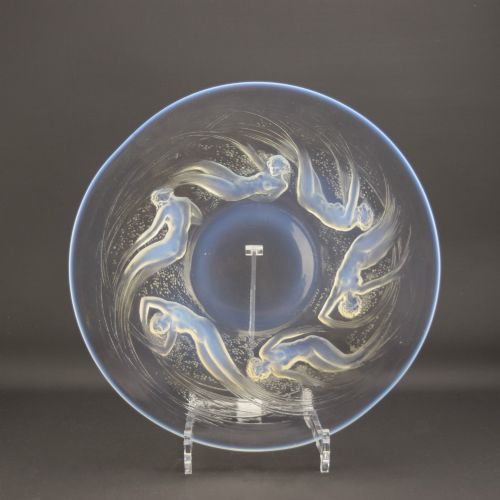
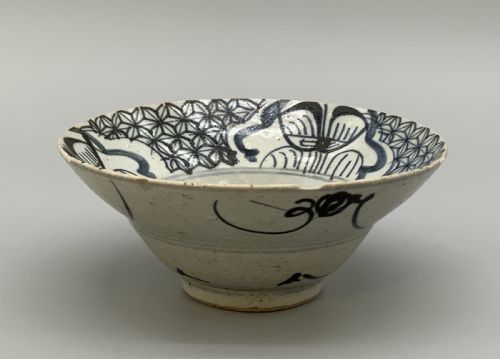
When you search for blue bowl art, you encounter vessels that bridge functional tableware and pure ornament across periods from the Victorian era to the mid-twentieth century. The selection ranges from pressed glass and opalescent pieces to fine porcelain and earthenware.
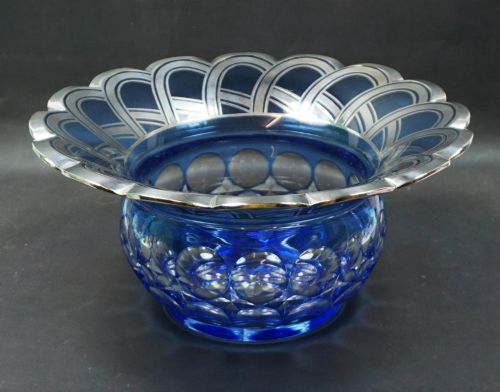
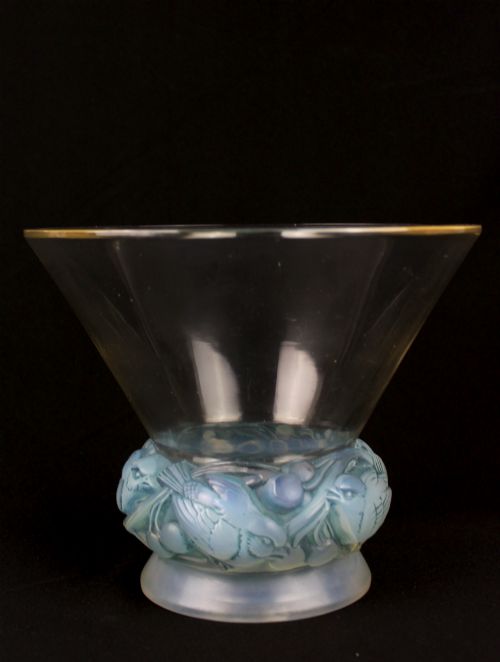
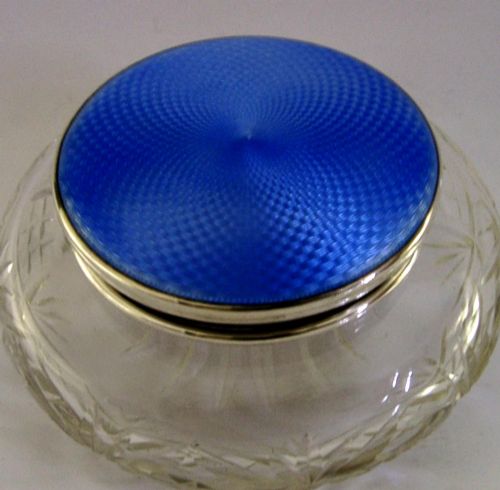
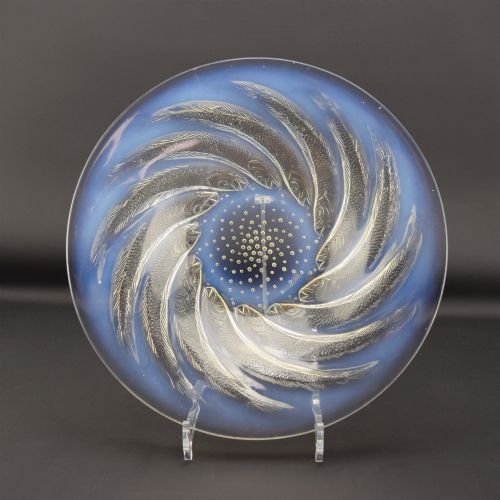
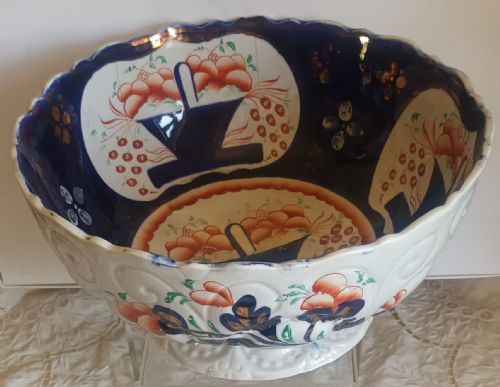
You meet pieces influenced by Art Deco, Art Nouveau, and classical traditions, alongside traditional Chinese ceramics and Japanese Imari. Many examples utilise deep cobalt tones, blue enamelling, or opalescent finishes to catch the light.
How they were made
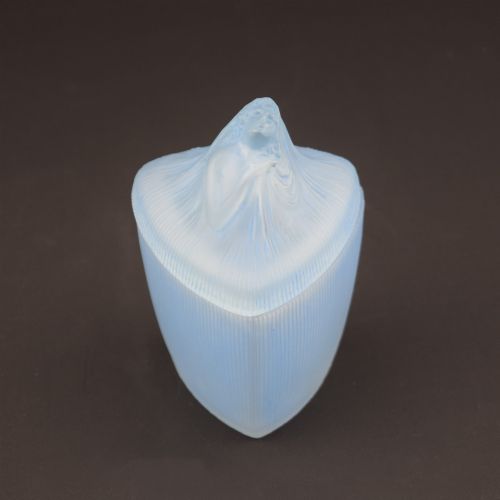
Glass pieces rely on moulding, pressing, and blowing techniques, frequently incorporating chemical agents to achieve opalescent finishes or layered crystal effects. Metal mounts and enamel details are often applied to glass bodies.
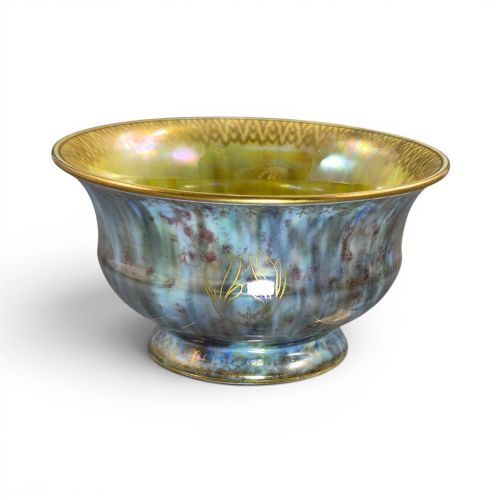
Ceramic and porcelain examples involve throwing or moulding clay before applying intricate glazes, such as lustre finishes or cobalt blue pigments, followed by kiln firing.
Blue Bowl Art Retail Price Guide 2026
Typical asking prices for blue bowl art among the pieces listed under this phrase on Sellingantiques today, from the lower quarter to the upper quarter. They describe what is for sale here now, not the wider market.
Listings span the Victorian era, Art Nouveau, and Art Deco periods, featuring glass, porcelain, and stoneware forms.
What varies in quality
The precision of the moulding and the depth of the glaze or colour separate standard items from superior examples. Crisp details in pressed glass and controlled iridescence indicate skilled production.
The complexity of the surface decoration, whether hand-painted enamel, applied gold leaf, or layered glass, dictates the refinement of the piece.
Rene Lalique·Wedgwood·Doulton Lambeth·Maling·Loetz·Baccarat
The Blue Bowl Art Glossary
- Opalescent glass
- Glass that diffuses light to display a milky or pearlescent appearance with bluish highlights.
- Lustre ware
- Pottery or porcelain decorated with a metallic glaze that produces an iridescent sheen.
- Imari
- A style of Japanese porcelain featuring underglaze blue and overglaze red, gold, and other colours.
- Stoneware
- A robust pottery type fired at high temperatures until vitrified and impermeable to liquids.
Blue Bowl Art: Frequently Asked Questions
What is lustre pottery?
Lustre pottery incorporates metallic oxides in the glaze to create a rainbow-like sheen when fired. Wedgwood pieces from the early twentieth century are well-known examples of this technique.
The resulting surfaces catch the light differently depending on the viewing angle.
Are these bowls meant for everyday use?
Most of these pieces function primarily as decorative items rather than utilitarian tableware. Delicate materials like opalescent glass and lustre porcelain require careful handling.
Displaying them away from high-traffic areas preserves their surface finishes.
How do I care for antique glass bowls?
Antique glass benefits from gentle hand washing in lukewarm water with mild soap. Avoid abrasive sponges and sudden temperature changes to protect the material.
Dry them softly with a lint-free cloth to maintain the clarity of the blue glass.