






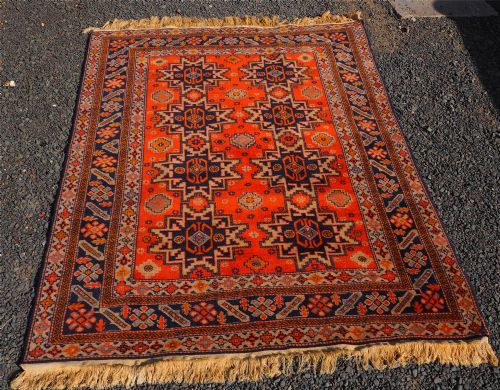
Blue Carpet
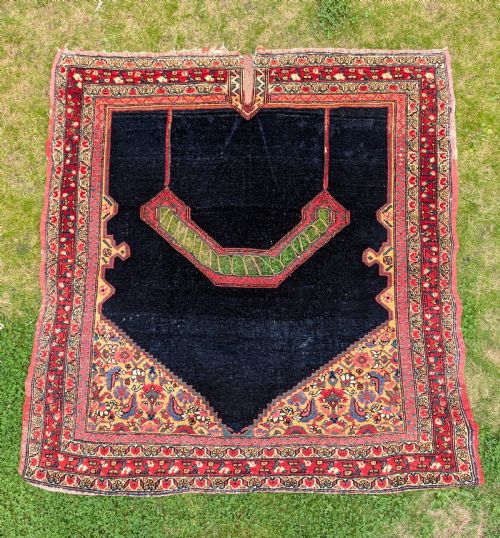
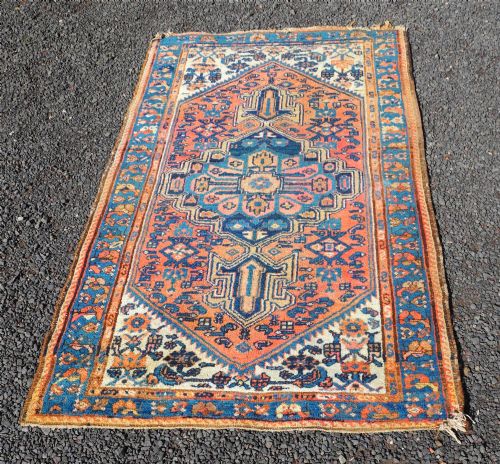
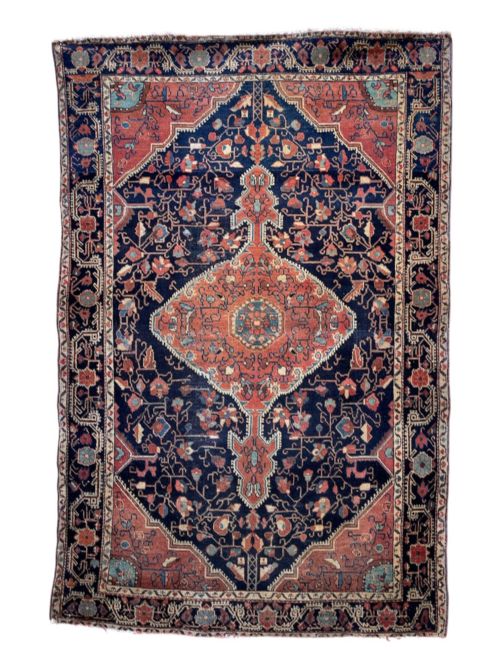
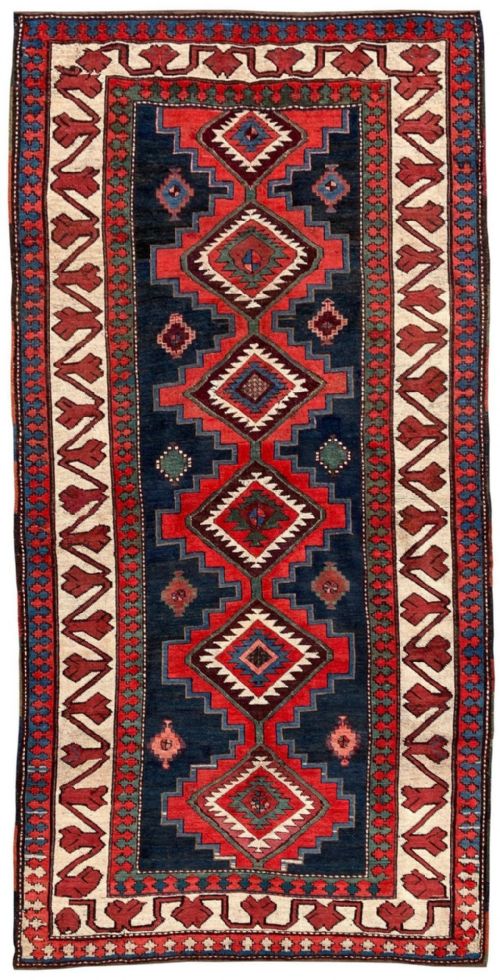
A blue antique carpet brings deep indigo, soft sky and muted slate tones into a room, grounding the floor with woven history.
Blue Carpet
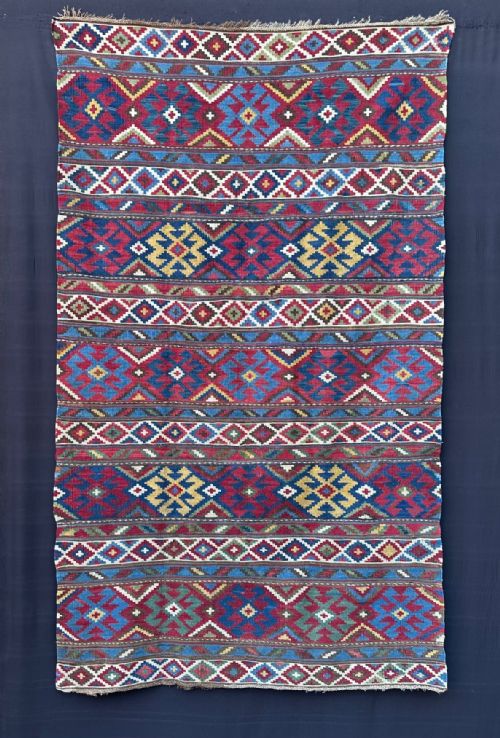
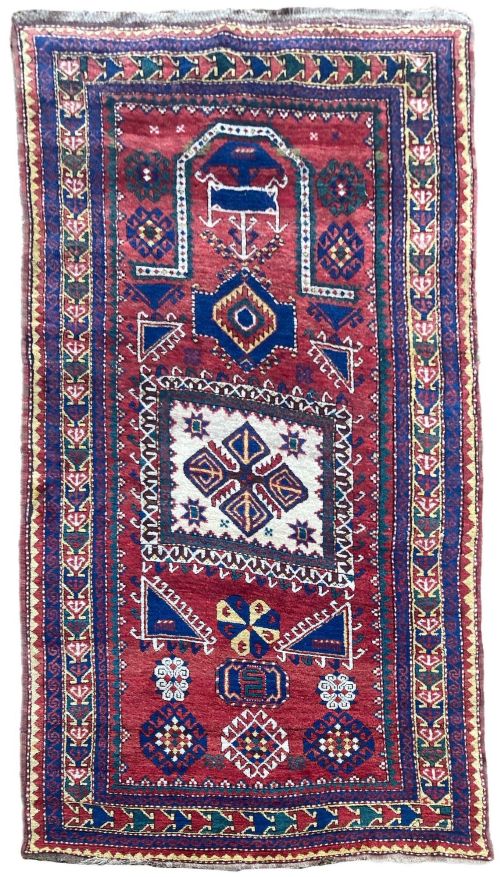
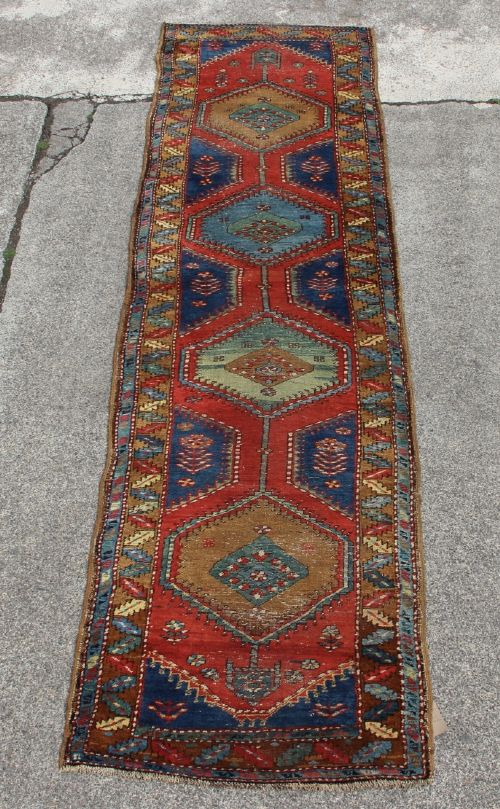
When you search for a blue antique carpet, you encounter hand-knotted floor coverings originating from Persia, the Caucasus, Anatolia, and Tibet. These textile pieces span periods from the nineteenth century through the early twentieth century, taking the form of large carpets, room-size formats, runners, and smaller prayer rugs.
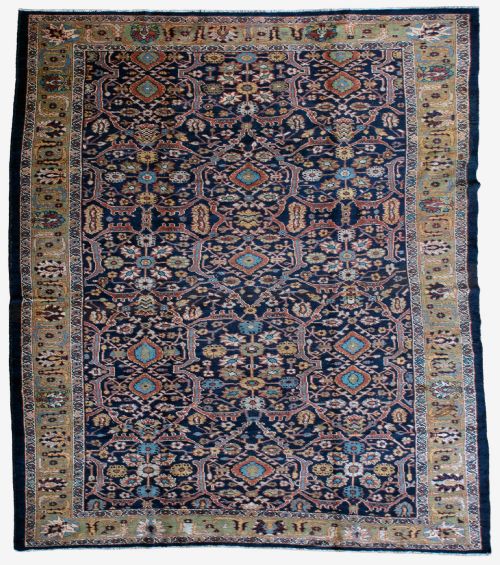
Persian Heriz, Bakshiash, and Mahal carpets frequently display indigo and soft blue grounds alongside geometric or large-scale medallion designs. Caucasian pieces like Kazak and Talish rugs bring crisper, deeply saturated blue fields paired with tribal motifs.
Anatolian Oushak and Ushak carpets often utilise softer faded blue palettes, whilst Tibetan examples introduce wool and runner formats. The selection ranges from substantial room carpets down to intimate saddle covers and hearth rugs.
How they were made
These floor coverings rely on natural materials, predominantly wool, hand-spun wool, and cotton foundations, occasionally accented with silk highlights. Weavers tied hand-knotted piles onto warp and weft threads, securing the structure through hand-woven ends.
Natural dye stuffs provided the diverse blue hues, ranging from deep indigo to pale sky shades derived from plant sources. The structural integrity depends on the density of the knots and the quality of the wool fleece utilised in the production.
Listings span nineteenth-century pieces up to the nineteen-thirties, incorporating Persian, Caucasian, Anatolian, and Tibetan wool and cotton traditions.
What varies in quality
The distinction between tiers of these woven pieces rests on the precision of the knotting and the depth of the dye work. Finer examples display intricate drawing and consistent wool pile that ages gracefully under foot traffic.
Design clarity and regional character separate standard room-size rugs from exceptional pieces carrying specific tribal attributes or grand Heriz and Mahal dimensions. The harmony of the faded blue ground and secondary colours dictates the visual impact.
The Blue Carpet Glossary
- Kelleh
- A large format rectangular carpet, typically longer than a standard room rug, suited to corridors or expansive spaces.
- Prayer Rug
- A textile featuring a central mihrab or arch design, traditionally used for personal devotion and prayer.
- Runner
- A long, narrow carpet format designed specifically for hallways, stairs, and passageways.
- Warp
- The vertical threads stretched tightly on the loom that form the foundational skeleton of the woven piece.
- Weft
- The horizontal threads passed through the warp threads to hold the knots firmly in place row by row.
Blue Carpet: Frequently Asked Questions
How do I clean an old wool rug?
Vacuum gently without a rotating brush roll to remove everyday grit and dust trapped deep within the pile.
Professional specialist cleaning remains essential for washing antique wool and cotton textiles without damaging natural dyes.
Can I place these carpets in hallways?
Long runner formats and narrow kelim styles fit naturally into corridors and heavy traffic walkways.
Ensure a quality underlay is placed beneath the textile to prevent sliding and cushion the vintage fibres.
How are different regional styles told apart?
Caucasian pieces tend to showcase sharp geometric medallions and bold, saturated indigo fields with contrasting borders.
Persian Heriz and Mahal carpets generally exhibit larger, curvilinear floral motifs rendered in softer blues and terracotta.
Do these textiles suit modern living rooms?
Muted blue grounds and distressed indigo patinas blend effortlessly into contemporary minimalist or neutral interiors.
Large room formats anchor seating areas while bringing rich texture and historical depth to wooden flooring.