








Blue and Orange Bowl
A blue and orange bowl brings rich cobalt and vibrant rust tones together, offering a striking centrepiece for any table.
Blue and Orange Bowl
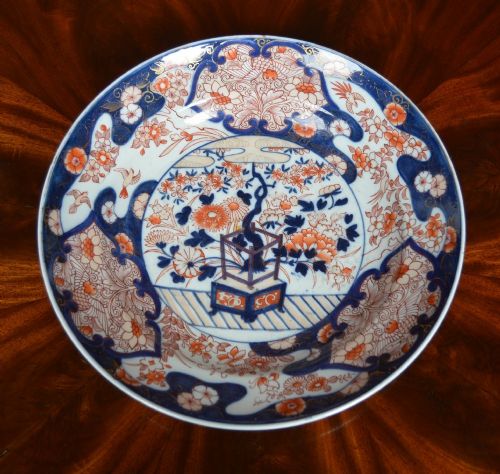
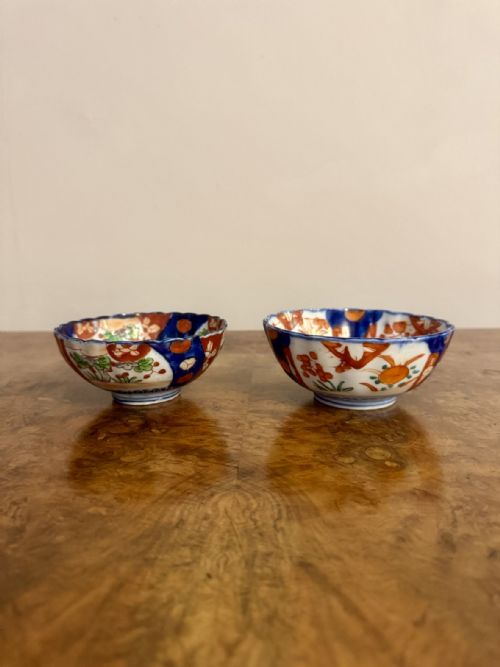
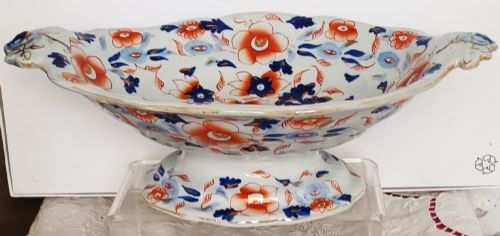
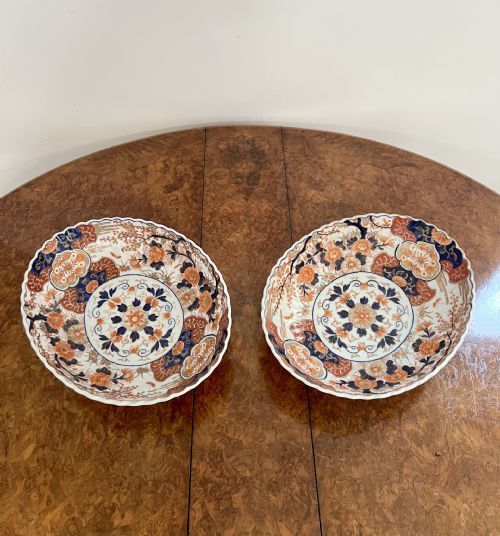
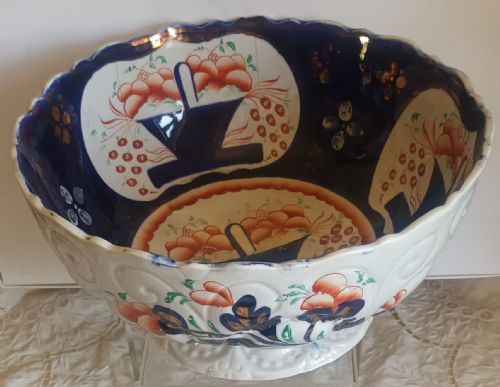
A blue and orange bowl encompasses various decorative forms including footed pottery basins, jardinières, and scalloped display dishes. These vessels emerge predominantly from Japanese Imari traditions, English ironstone wares, and Victorian earthenware.
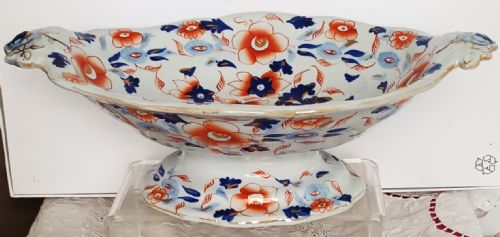
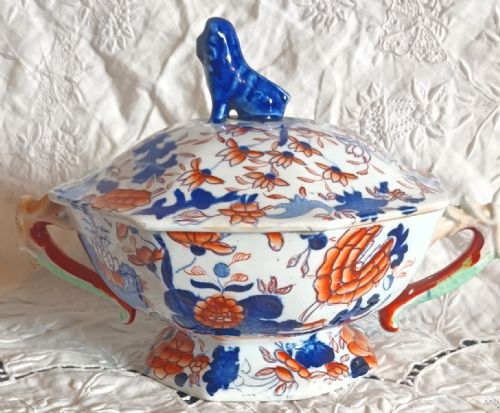
The most common examples on this page are Japanese Imari pieces from the Meiji and Edo periods, alongside English Georgian and Victorian ironstone service items. Buyers will also encounter specialised lustre earthenware bowls from the early twentieth century.
These items function as both practical tableware and decorative display objects, taking shapes from simple round basins to hexagonal forms, boat-shaped dishes, and leaf-moulded servers.
Materials and production methods
Potters shape these vessels using porcelain, bone china, earthenware, and heavy-duty ironstone, applying durable ceramic glazes to seal the body. Many pieces rely on hand-formed construction, resulting in varied thicknesses and distinct tactile qualities across different eras.
Decorators apply cobalt blue underglaze alongside vibrant iron-red enamel and gold leaf accents to create the characteristic palette. Skilled artisans fire these pigments multiple times to fuse the enamel and gilding securely to the porcelain or earthenware surface.
Blue and Orange Bowl Retail Price Guide 2026
Typical asking prices for blue and orange bowl among the pieces listed under this phrase on Sellingantiques today, from the lower quarter to the upper quarter. They describe what is for sale here now, not the wider market.
Listings feature porcelain, ironstone, and earthenware pieces decorated with enamel, glaze, and gold leaf across multiple centuries.
Assessing quality in ceramic vessels
Quality rests upon the precision of the hand-painted brushwork and the vibrancy of the cobalt and orange pigments. Superior examples display crisp outlines, deep saturation, and careful integration of gilding rather than flat, uniform transfers.
The complexity of the form dictates the standard of manufacture, separating simple utilitarian basins from intricately moulded scalloped edges, hexagonal profiles, and footed comports. Well-balanced proportions and clean potting mark the upper tier of these wares.
Mason's Ironstone·Daisy Makeig-Jones Wedgwood
The Blue and Orange Bowl Glossary
- Imari
- A style of Japanese export porcelain decorated in underglaze blue, iron-red enamel, and gold. This aesthetic heavily influenced later European ceramic factories.
- Ironstone
- A type of durable earthenware patented in the nineteenth century. It provides a dense, heavy body suitable for robust tableware and decorative tureens.
- Comport
- A raised footed dish or bowl used for serving fruit or sweets. These pieces typically stand on a pedestal above the dining table surface.
- Jardinière
- A large ornamental pot or bowl designed to hold a plant or floral arrangement. These vessels often feature heavy potting to support soil and water.
- Lustre
- A type of ceramic glaze containing metallic elements that produce an iridescent sheen. This technique creates shimmering orange and mottled surface effects.
Blue and Orange Bowl: Frequently Asked Questions
What periods do these bowls come from?
The selection spans from the eighteenth century through the Victorian era up to the early twentieth century. Pieces originate from both Japanese export kilns and English ceramic manufacturers.
Earlier items often reflect traditional Edo and Georgian styles, while later examples include twentieth-century lustre wares and nineteenth-century ironstone production.
How were these bowls used historically?
These vessels served diverse roles ranging from formal dining table service to decorative display. Footed comports and bowls held fruit, while large jardinières accommodated plants.
Smaller dishes and basins functioned as part of tea services or served sweetmeats during formal gatherings.
How do I care for antique ceramics?
Wash antique porcelain and ironstone gently by hand using warm water and mild detergent. Avoid abrasive sponges or harsh chemicals that can damage delicate enamel and gold leaf.
Keep pieces away from sudden temperature changes to protect the historic glaze from stress fractures.
How do I distinguish Japanese Imari from English wares?
Japanese Imari pieces typically utilise fine porcelain or earthenware bodies with traditional hand-painted floral and panel designs in cobalt blue, rust orange, and gold. English makers adapt these motifs onto heavy ironstone, bone china, or earthenware.
Examining the foot ring, weight, and ceramic paste helps identify whether a bowl originates from East Asian export workshops or British factories.