






Blue Abstract Painting
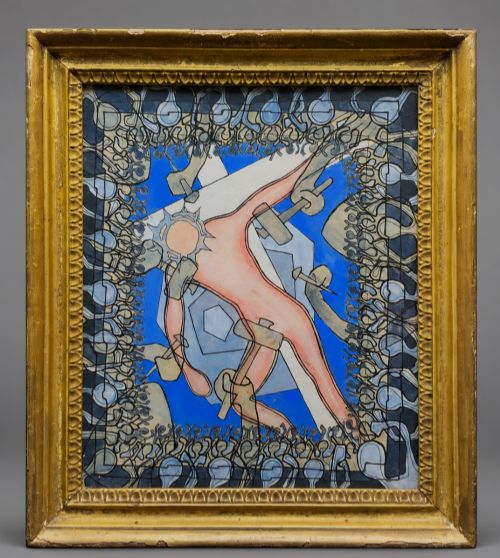
A blue abstract painting brings mid-century energy to a room through dynamic brushwork and striking colour.
Blue Abstract Painting
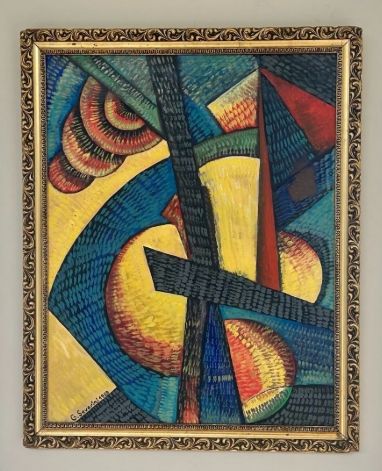
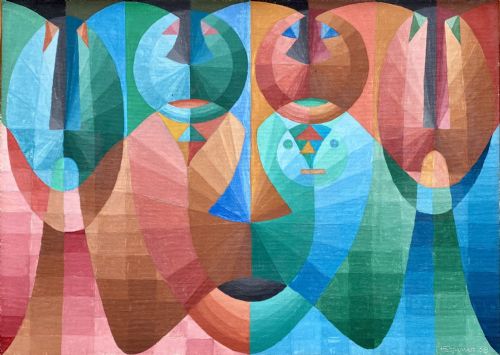
A blue abstract painting captures the experimental spirit of twentieth-century modernism through non-representational forms and expressive compositions. Buyers searching for a blue abstract painting encounter original works on canvas, board, and paper dating principally from the nineteen-fifties and nineteen-sixties, alongside earlier modernist pieces from the nineteen-thirties.
The selection ranges from geometric op art and cubist landscapes to surrealist scenes and brutalist compositions. Works span British and continental European origins, including French modernist pieces and Cornish school paintings.
How they were made
Artists painted primarily with oil or gouache, applying pigment directly onto stretched canvas, wooden boards, or heavy paper support. These traditional mediums allowed makers to build rich surface textures and vibrant colour relationships characteristic of mid-century expressionism.
Works frequently received framing contemporaneous with their creation, utilising wood to enclose the canvas or board safely. Support structures vary from simple stretchers to protective mounts on paper works.
Blue Abstract Painting Retail Price Guide 2026
Typical asking prices for blue abstract painting among the pieces listed under this phrase on Sellingantiques today, from the lower quarter to the upper quarter. They describe what is for sale here now, not the wider market.
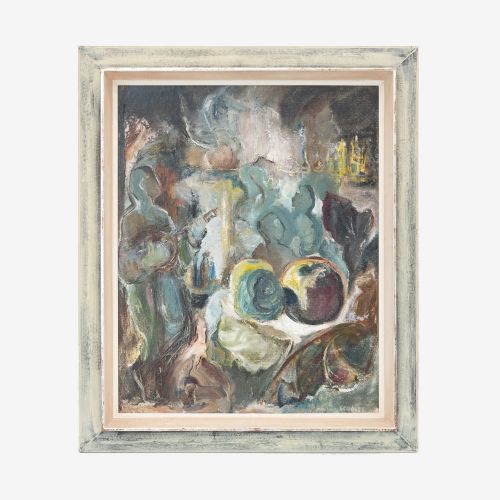
One abstract landscape captures a picnic on a tree stump viewed through the eyes of a French colourist.
What varies in quality
Quality rests upon the strength of the composition and the confidence of the brushwork across the painted surface. A successful piece demonstrates deliberate control of form and colour balance rather than mere decorative application.
The distinction also lies in the provenance and documentation associated with the work. Pieces bearing clear attribution to known mid-century painters or documented exhibition histories carry greater artistic weight.
Lilian Colbourn·Tony Giles·Gino Severini·William Littlejohn·Adrian Heath·Rowland Fade·Sonia Delaunay·William Ernst Burwell
The Blue Abstract Painting Glossary
- Oil paint
- A slow-drying paint made of pigment particles suspended in a drying oil, typically linseed oil. This medium allows for deep colour saturation and visible impasto texture.
- Gouache
- An opaque water-based paint that dries to a matte finish, frequently utilised on paper supports for vibrant modernist works. It permits rapid layering of saturated colour.
- Op art
- A style of visual art that uses optical illusions through geometric patterns and contrasting colours. Works in this idiom create a sense of movement or vibration on the flat plane.
- Cubist
- An artistic approach that breaks subjects down into geometric planes and multiple viewpoints. This style influenced landscape and still life compositions across mid-century European painting.
- Brutalist
- A style reflecting raw, blocky forms and heavy textures, translating architectural principles into painterly abstracts. These works emphasise structural mass and stark visual impact.
Blue Abstract Painting: Frequently Asked Questions
How do I date a blue abstract painting?
Dating relies on stylistic markers, framing materials, and any inscribed signatures or dates left by the artist. Mid-century works typically employ specific modernist palettes and composition types characteristic of the nineteen-fifties and sixties.
Examining the reverse of the canvas or board often reveals gallery labels, framing stamps, or handwritten notes that help confirm the period of creation.
What is the difference between oil and gouache on these pieces?
Oil paint utilises a slow-drying oil binder that allows for thick impasto textures and rich colour blending on canvas or board. Gouache is a water-based opaque medium traditionally applied to paper surfaces for a flat, matte appearance.
Both techniques were widely utilised by mid-century artists, though they create distinct surface qualities and require different framing approaches for preservation.
Where were these mid-century abstract paintings created?
The pieces originate from various European art centres, with significant representation from British and French studios. Artists working in Cornwall and various regions of France produced many of these modernist compositions.
Provincial scenes from locations like Provence and the Alpilles frequently inspired the underlying landscape abstractions found within this period.
How should I care for a vintage painting on paper or board?
Paintings on paper and board require protection from direct sunlight and excessive humidity to prevent fading and warping. Framing behind glass with acid-free mounts safeguards works on paper from atmospheric pollutants.
Works on wooden board benefit from stable indoor environments where temperature fluctuations remain minimal to preserve the integrity of the paint layer.