




Blown Glass Wine Bottle
Blown glass wine bottle examples are substantial vessels created by hand, prized for their rich hues and tactile character.
Blown Glass Wine Bottle
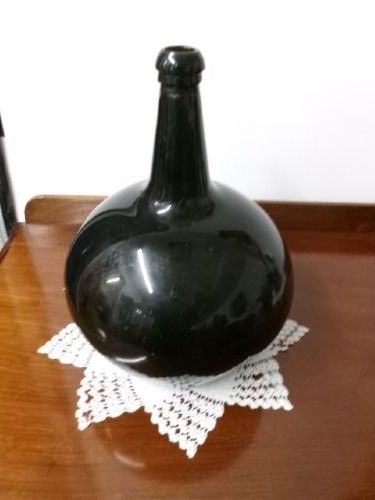
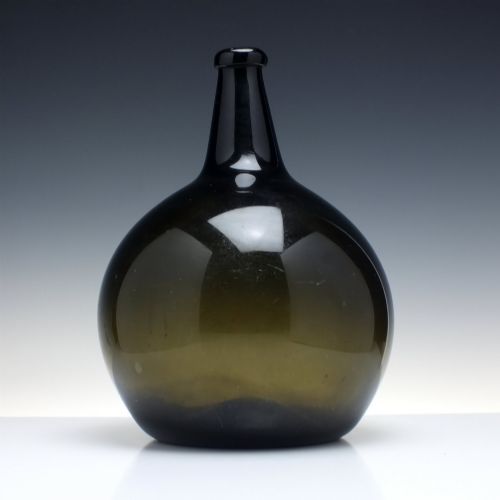
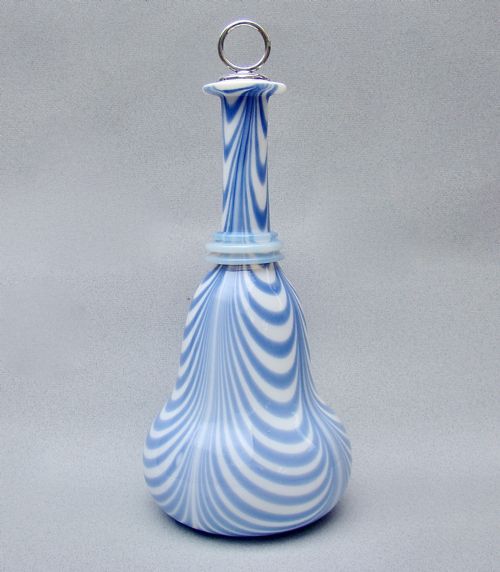
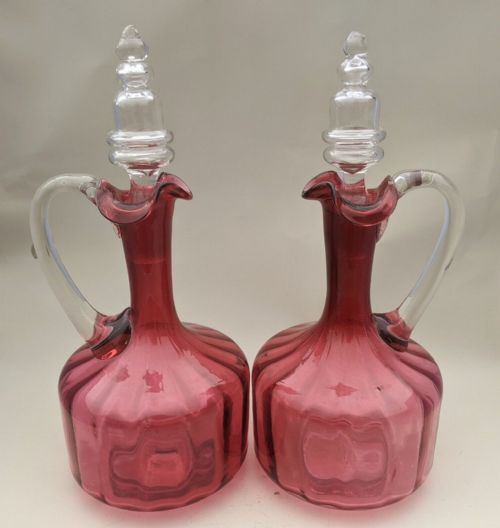
A blown glass wine bottle represents a traditional vessel shape shaped by manual glassblowing techniques across multiple eras. These pieces range from dark green utilitarian forms to delicate coloured glass decanters.
Buyers encountering this selection will find various iterations spanning Georgian onion bottles and Victorian serving carafes. The assortment includes utilitarian French demi-johns alongside decorative table decanters.
Originating from English, Scottish, and French workshops, these containers served practical storage roles before becoming decorative objects. Their enduring appeal lies in the visible evidence of manual production.
How they were made
Makers utilised free-blowing and optical-blowing methods to shape molten metal into thick-walled vessels. This molten material often absorbed impurities or received enamel decorations while hot.
Artisans applied trailing, applied handles, and metal mounts such as old Sheffield plate to complete the pieces. Cooling occurred gradually within annealing lehrs to stabilise the structure of the glass.
Blown Glass Wine Bottle Retail Price Guide 2026
Typical asking prices for blown glass wine bottle among the pieces listed under this phrase on Sellingantiques today, from the lower quarter to the upper quarter. They describe what is for sale here now, not the wider market.
Object forms include apothecary bottles, carboys, spirit decanters, ewers, and heavy liquid jars.
What varies in quality
Quality rests upon the balance of the silhouette and the weight of the metal. Heavier vessels with deep pontil scars and rich colouration demonstrate superior craftsmanship.
The sophistication of associated metalwork or enamel painting distinguishes standard utilitarian containers from exceptional studio productions. Precision in optical ribbing and clarity of the glass further separate examples.
James Powell·Archibald Knox·Liberty·Stevens & Williams
The Blown Glass Wine Bottle Glossary
- Pontil mark
- The rough scar left on the base where the holding rod was snapped away from the vessel after blowing.
- Cranberry glass
- A transparent red glass produced by adding gold chloride to the molten batch during manufacturing.
- Carboy
- A large, bulbous glass container typically utilised for holding liquids safely during storage or transport.
- Nailsea type
- Glassware characterised by looped or speckled white enamel decoration set into a coloured glass body.
Blown Glass Wine Bottle: Frequently Asked Questions
How are old wine bottles dated?
Dating relies upon evaluating the depth of the base indentation, the shape of the lip, and the colour saturation of the material.
Changes in manufacturing techniques from Georgian free-blown methods to later Victorian styles also provide clear chronological markers.
What is an onion bottle?
An onion bottle is an early compact, bulbous glass container designed with a short neck to sit steadily on tavern tables.
These heavy vessels date predominantly to the eighteenth century and served practical wine storage functions.
Can these bottles hold liquid today?
Many examples remain structurally sound enough to hold liquids safely, provided they are washed gently by hand.
Collectors generally use them for display or serving aged wines rather than daily kitchen storage.
Why do some bottles have rough bases?
Rough bases indicate the vessel was detached manually from a pontil rod during the traditional glassblowing process.
This physical evidence confirms the piece was shaped by hand rather than moulded mechanically in a factory.