





Blown Glass Dish
These blown glass dish examples offer tangible historical craftsmanship, bringing decorative utility and rich colour to a table.
Blown Glass Dish
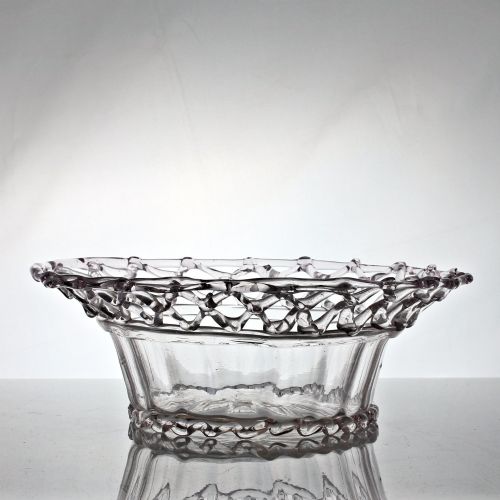
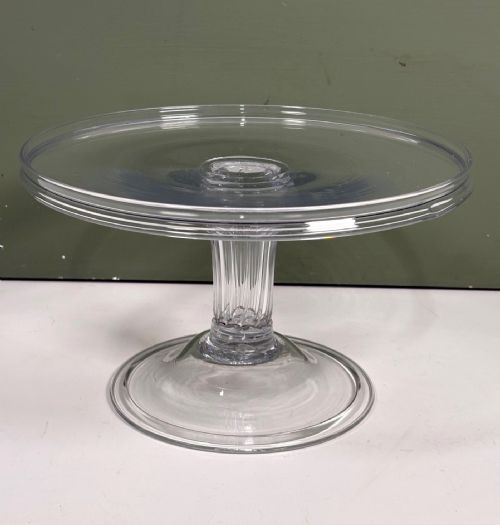
A blown glass dish encompasses a variety of functional and decorative forms, ranging from pedestalled tazzas to vibrant bowls and small salts. When exploring this selection, a buyer encounters domestic tablewares spanning the Georgian, Victorian, and later periods.
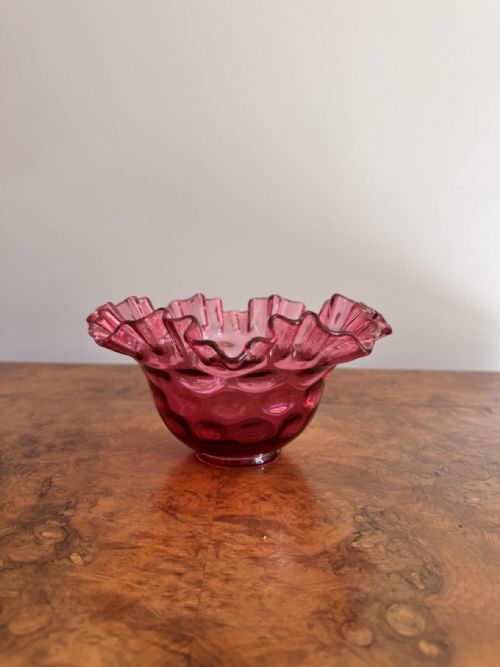
The most common variants on this page include deep cranberry glass bowls and pedestalled serving vessels. These pieces originated in Britain and continental Europe, reflecting domestic dining habits across centuries.
How they were made
Craftsmen shaped these vessels using traditional glassblowing techniques, often working with lead glass, clear crystal, or coloured batches like cranberry glass. Molten material was gathered on a blowpipe, inflated, and manipulated by hand to form bowls, plates, and stems.
Some items incorporate additional elements such as silver plate mounts or pierced metal spoons. Tooling marks and pontil scars on the underside remain visible evidence of this manual creation process.
Blown Glass Dish Retail Price Guide 2026
Typical asking prices for blown glass dish among the pieces listed under this phrase on Sellingantiques today, from the lower quarter to the upper quarter. They describe what is for sale here now, not the wider market.
Some Victorian salts come paired with tiny pierced spoons, ensuring guests could season their food with utmost elegance.
What varies in quality
Quality in a blown glass dish relates to the clarity of the metal, the balance of the proportions, and the depth of the colour. Heavier lead crystal vessels demonstrate superior weight and refractive brilliance compared to lighter, standard glass.
The sophistication of the forming technique distinguishes standard production from finer output. Smooth rims, even wall thickness, and well-finished feet indicate superior craftsmanship.
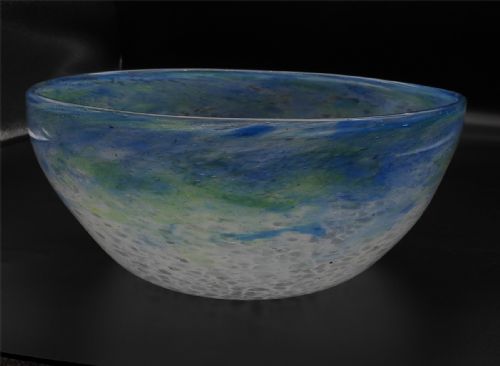
Monart Glass
The Blown Glass Dish Glossary
- Tazza
- A shallow bowl or plate mounted on a stem and foot, used for serving fruit or sweetmeats. These elevated pieces date frequently to the Georgian and Victorian eras.
- Cranberry glass
- A rich red-pink transparent glass coloured with gold chloride, highly popular during the Victorian period. It often appears in bowls, salts, and decorative tableware.
- Pontil mark
- The rough scar left on the base of a vessel where the punty rod was detached after blowing. Its presence confirms traditional free-blown manufacturing methods.
- Lead crystal
- Glass containing a significant proportion of lead oxide, which increases brilliance, weight, and workability. This material allows for sharper optical clarity and resonant ring.
Blown Glass Dish: Frequently Asked Questions
What is a blown glass dish used for?
These vessels served various domestic purposes on historical dining tables, holding fruit, sweetmeats, or condiments. Smaller examples functioned as salt cellars or patch stands.
Today, collectors utilise them primarily for display or as decorative centrepieces. Their varied forms accommodate small floral arrangements or act as standalone decorative objects.
How do I date an old glass dish?
Dating relies on observing the form, the tint of the metal, and manufacturing traces such as pontil marks. Georgian pieces often display heavy lead metal and distinct foot rings, while Victorian items frequently feature vibrant cranberry hues.
Comparing the object's style with documented period examples helps narrow down its decade of origin. Corpus characteristics like stem knops and cutting styles provide further chronological clues.
What is cranberry glass?
Cranberry glass is a pinkish-red transparent material created by adding gold chloride to the molten batch. It gained immense popularity during the Victorian era for decorative tableware.
Its distinct coloration varies in intensity from pale pink to deep ruby. This hue defines many popular bowls, salts, and serving dishes from the nineteenth century.