




Bloor Derby Porcelain
Bloor Derby porcelain brings together the finest Regency and Georgian craftsmanship, offering richly enamelled figures and armorial plates that anchor a serious cabinet collection.
Bloor Derby Porcelain
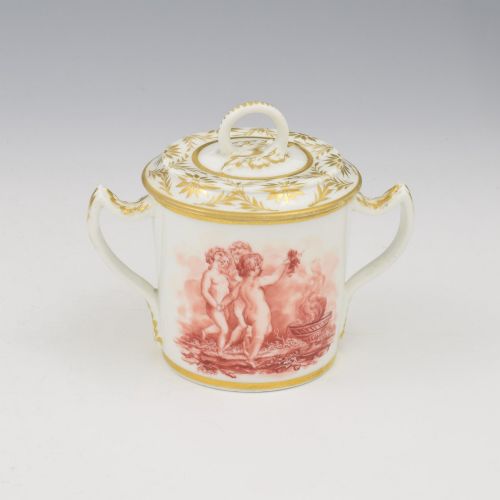
When you search for bloor derby porcelain, you encounter decorative tablewares and sculptural pieces produced during the early nineteenth century under the management of Robert Bloor. These objects range from practical cabinet plates and chocolate cups to modelled figures and candlesticks.
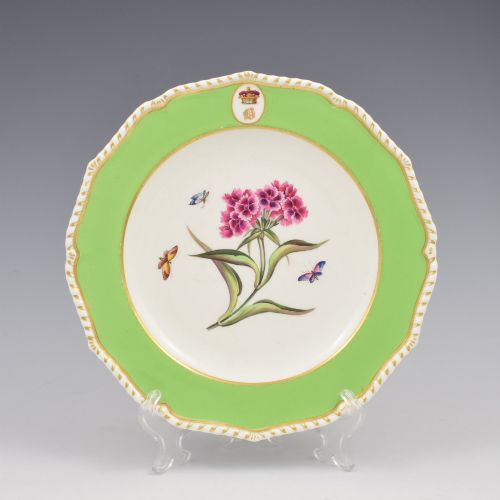
The pieces on this page span the late eighteenth to the mid-nineteenth century, encompassing Georgian, Regency, and Victorian periods. Dessert plates featuring botanical studies and armorial crests appear alongside mythological and pastoral figure groups.
How they were made
Makers shaped these items from white ceramic paste before applying detailed hand painting in bright enamel colours. Artisans added rich gilding and gold leaf accents to highlight rims, bases, and sculptural contours.
Bloor Derby Porcelain Retail Price Guide 2026
Typical asking prices for bloor derby porcelain among the pieces listed under this phrase on Sellingantiques today, from the lower quarter to the upper quarter. They describe what is for sale here now, not the wider market.
The listings on this page span the 18th century, Georgian, Regency, 19th century, and Victorian periods, utilising porcelain, gold leaf, enamel, and gilding.
What varies in quality
The refinement of the modelling distinguishes standard production from exceptional sculptural works. Artisans who spent greater care on facial expressions, hand gestures, and fine details produced figures with far stronger presence.
Painting execution also marks the divide between ordinary items and superior examples. Precision in botanical botanical illustrations, crisp armorial crests, and heavier applications of gold leaf elevate certain plates and cups above simpler wares.
The Bloor Derby Porcelain Glossary
- Armorial
- Bearing a heraldic coat of arms or family crest. These designs were often commissioned by aristocratic patrons for formal dining services.
- Enamel
- Opaque vitreous pigment fused to the ceramic surface during firing. This technique allowed makers to achieve vibrant, lasting colour palettes on figures and plates.
- Gilding
- The application of gold leaf or powdered gold to ceramics. It highlights rims, handles, and raised decorative motifs.
- Regency
- An English design period spanning the early nineteenth century. Pieces from this era often feature classical influences and bold decorative schemes.
Bloor Derby Porcelain: Frequently Asked Questions
How do I identify bloor derby porcelain?
Look for the specific stylistic traits of the early nineteenth century, including rich enamel palettes, detailed botanical paintings, and finely modelled figures. Many pieces also carry specific factory marks from the period.
Examining the application of gold leaf and the precision of the hand-painted details helps confirm the attribution to the Bloor management era.
Were these plates used for dining?
Armorial and botanical dessert plates served a functional role during formal nineteenth-century dining courses, specifically for the final dessert service. Wealthy households displayed them as part of matching table sets.
Over time, many of these plates transitioned from dining tables into cabinet displays due to their decorative value and delicate enamelling.
How should I clean porcelain figures?
Dust these delicate ceramic pieces gently with a soft, dry brush to prevent accumulation. Avoid using water or chemical cleaners, which can damage the hand-applied enamels and gold leaf.
Keep the items away from direct sunlight and areas prone to sudden temperature shifts to protect the historic materials.
What subjects do the figures show?
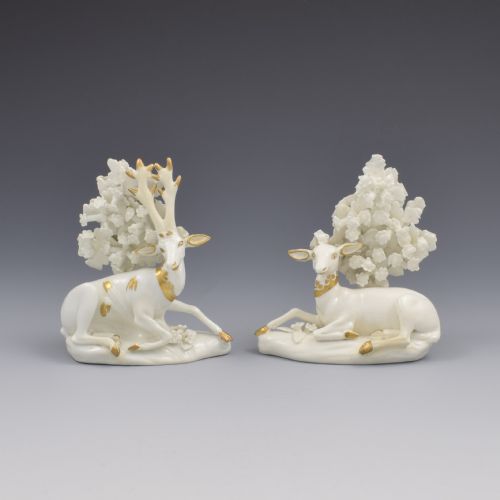
The sculptural works depict a wide range of subjects, from classical deities like Jupiter, Juno, and Neptune to pastoral figures such as shepherds and gardeners. Animals like stags and does also appear in paired groupings.
These subjects reflect the Regency taste for theatrical, romantic, and mythological themes in interior decoration.