


Blond Wood Commode
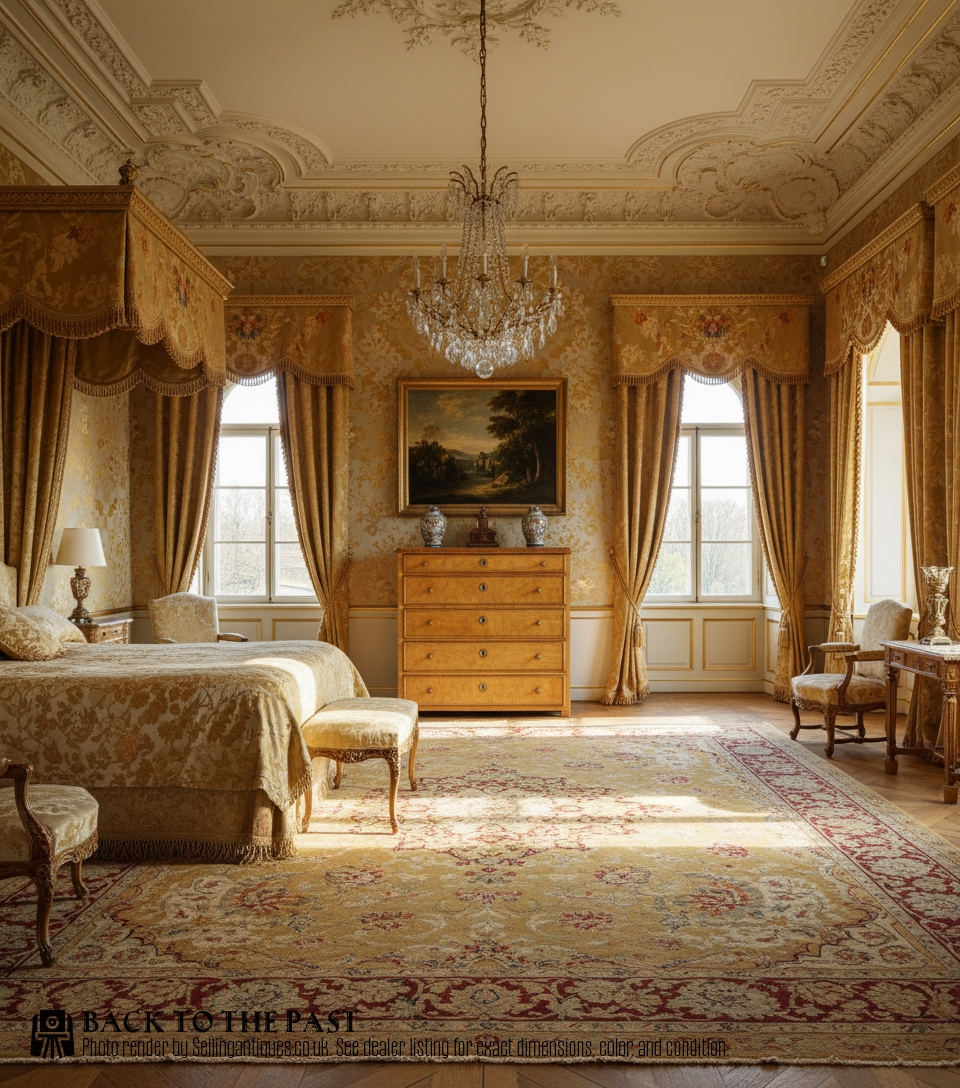
A blond wood commode brings pale, luminous grain and quiet elegance to a room, offering both practical storage and striking natural pattern.
Blond Wood Commode
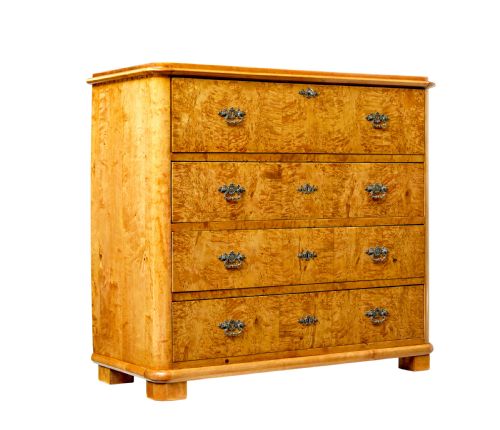
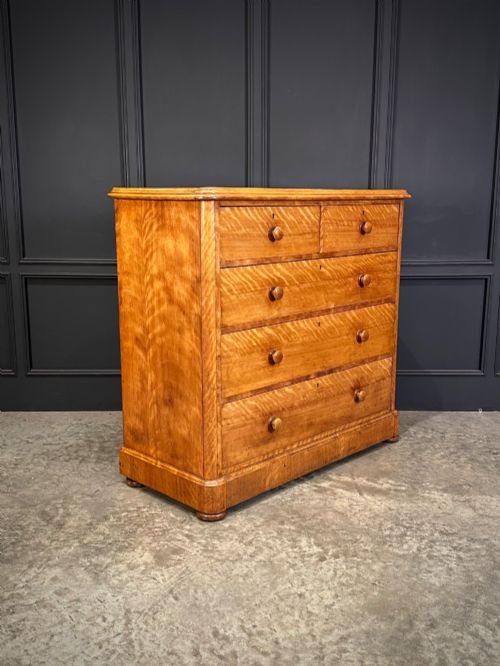
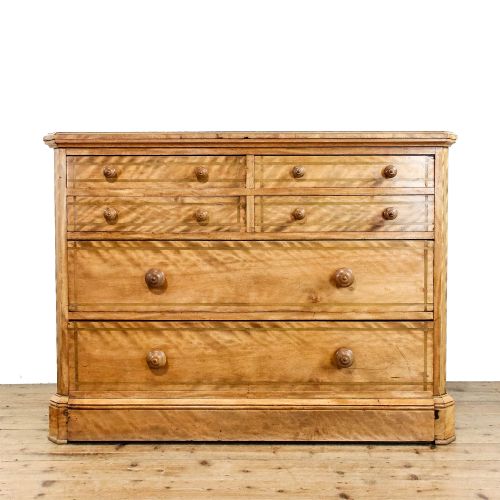
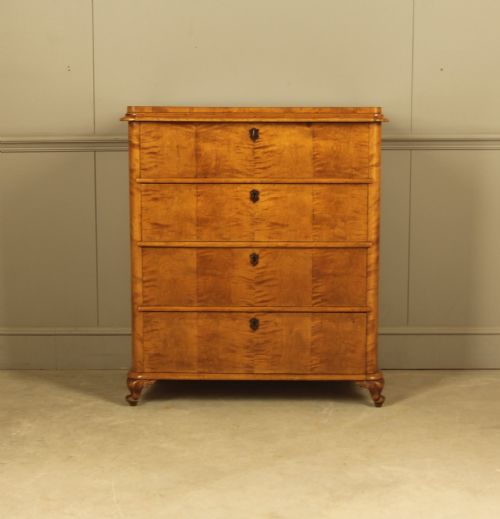
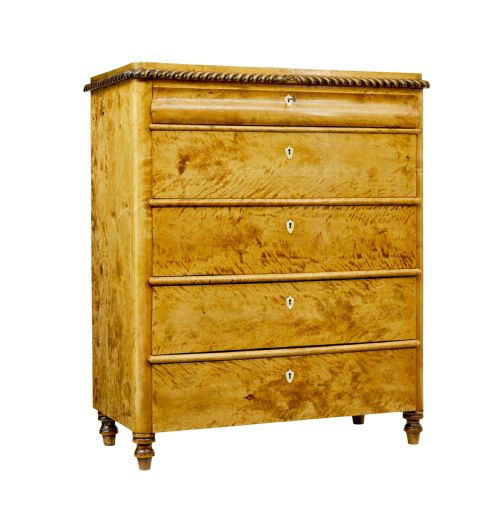
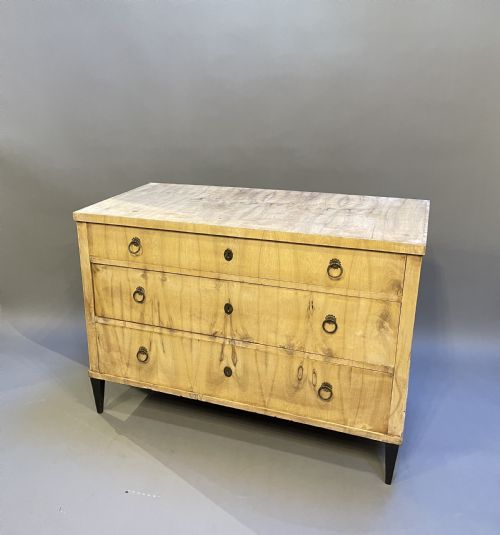
When you search for a blond wood commode, you are looking at light-toned timber chests of drawers and cabinets originating mostly from nineteenth-century Sweden, alongside Victorian and continental pieces. These pieces range from simple Scandinavian country designs to sophisticated Biedermeier and Empire revival forms.
The version you are most likely to meet on this page is a nineteenth-century Swedish chest of drawers in birch, flame birch, or satinwood. Alongside standard drawer configurations, variations include secretaire chests with fitted drop-front desks, bedside tables, and caddy-top designs.
Materials and construction
Cabinetmakers built these pieces using solid pine carcases faced with striking decorative veneers including birch, flame birch, masur birch, and satinwood. Selected veneers were carefully matched across drawer fronts to create symmetrical grain patterns.
Surface ornamentation relied heavily on the natural figure of the wood, sometimes enhanced with subtle bone inlay, brass hardware, or hand-painted simulated finishes. Construction methods focused on stability, using solid timber frames to support thin, highly figured surface layers.
One clever Swedish workshop even painted ordinary pine to mimic the lively grain of birch.
Distinctions in quality
Quality rests primarily in the choice and arrangement of the timber veneer, where highly figured flame birch or masur birch displays rich depth compared to plain or uniform surfaces. The skill of the cabinetmaker shows in how seamlessly veneer panels align across multiple drawers.
Structural refinement also separates standard pieces from finer examples, visible in crisp carving, well-fitted secretaire interiors, and original brass hardware or bone details. The integrity of the timber ground and the precision of the drawer joints determine the enduring stability of the commode.
Gemla Fabrikers
The Blond Wood Commode Glossary
- Flame birch
- A decorative timber veneer featuring a undulating, flame-like grain pattern. This distinctive figuring is prized for its movement and visual depth on nineteenth-century Scandinavian furniture.
- Masur birch
- A natural growth variation in birch timber producing dark, swirling grain spots resembling eyes or ripples. Cabinetmakers utilised this dense figuring for prominent drawer fronts.
- Secretaire chest
- A tall chest of drawers featuring a central pull-out drawer with a drop-front that conceals small pigeonholes and writing surfaces. It combines storage with a compact bureau function.
- Biedermeier
- A Central European style spanning the nineteenth century characterised by utilitarian comfort and clean lines. Furniture from this movement emphasises polished pale veneers over heavy ornamentation.
- Caddy top
- A raised, moulded tabletop profile resembling the lid of a tea caddy. This distinct edge adds architectural definition to the top of the chest.
Blond Wood Commode: Frequently Asked Questions
What is a blond wood commode?
A blond wood commode is a chest of drawers or cabinet fashioned from pale timbers such as birch, satinwood, and maple. These pieces span Scandinavian, Victorian, and continental traditions.
They function primarily as storage furniture while introducing light, figured grain to an interior space.
Where were these chests made?
Many of these chests originate from Sweden and broader Scandinavian regions during the nineteenth century. Others reflect Victorian British cabinetmaking or continental European workshops.
Regional differences appear in the choice of native woods, such as birch in the north and satinwood or walnut elsewhere.
How should I care for a birch commode?
Keep nineteenth-century wood furniture away from direct sunlight and sudden temperature changes to protect delicate veneers. Regular dusting with a soft, dry cloth preserves the polished surface.
Avoid liquid cleaners and silicone polishes, using only traditional wax sparingly when the timber appears dry.