



Black Wooden Chest
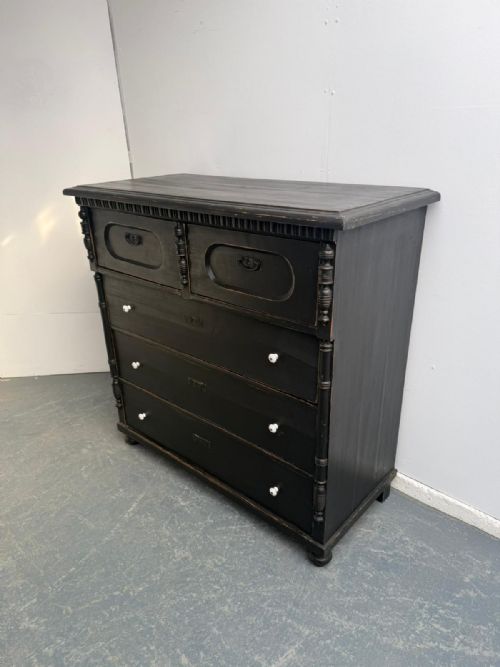
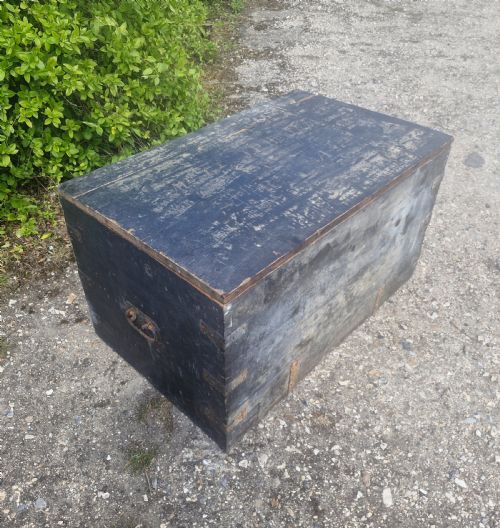
A black wooden chest brings depth and grounded weight to a room, offering practical storage disguised in dark wood, lacquer, or paint.
Black Wooden Chest
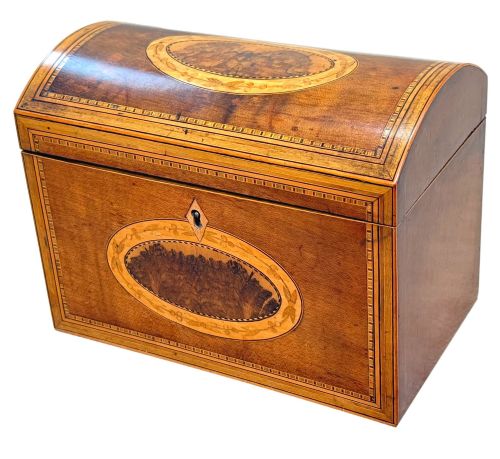
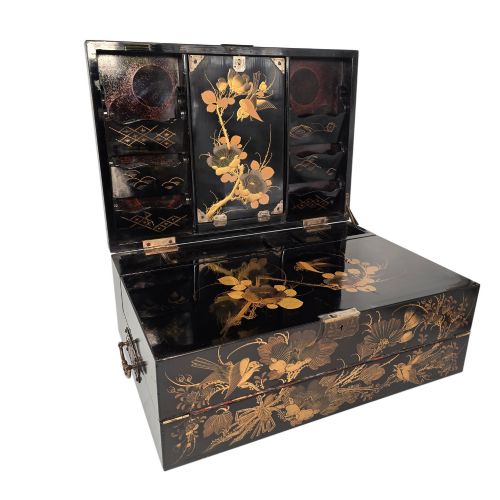
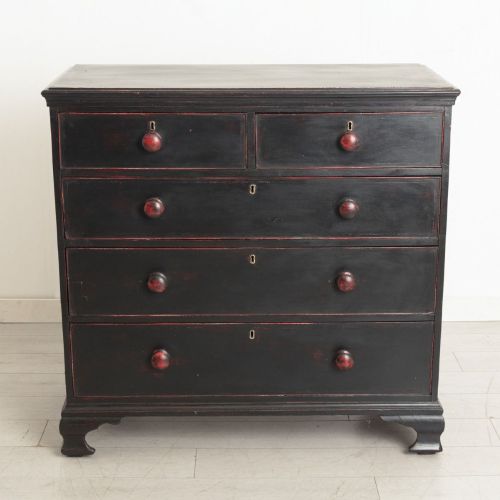
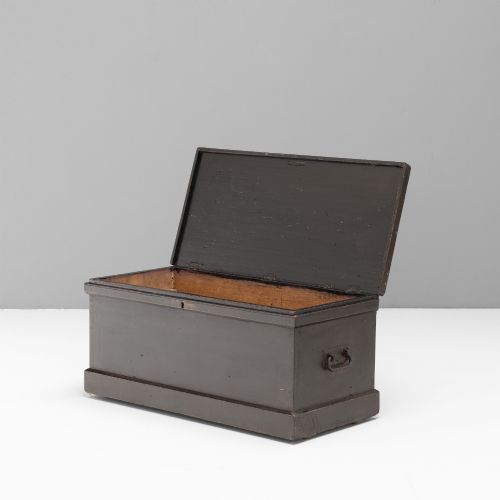
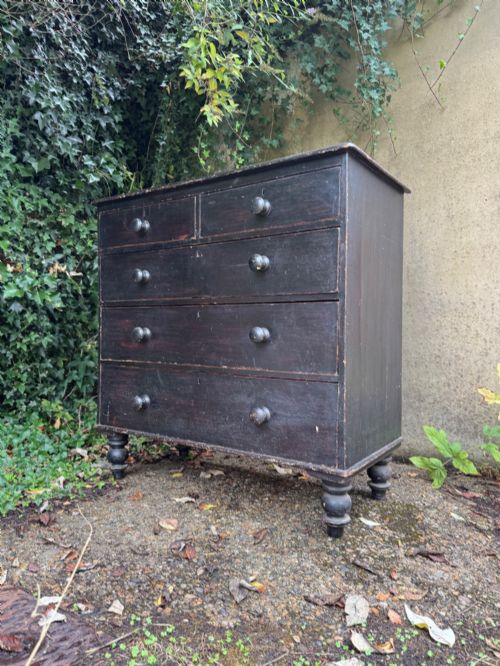
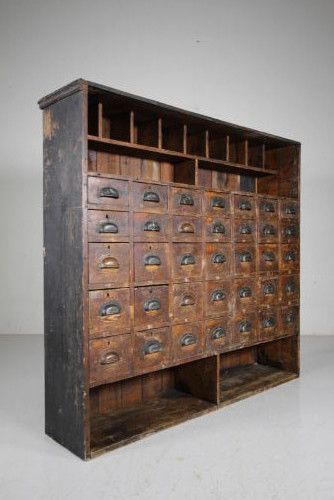
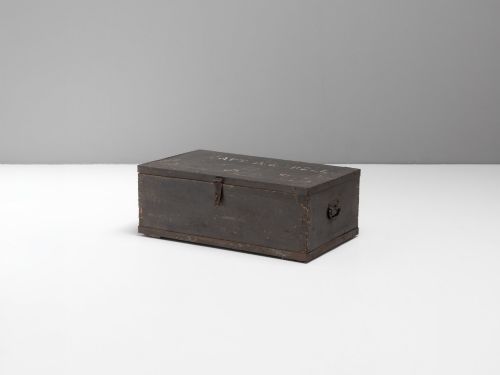
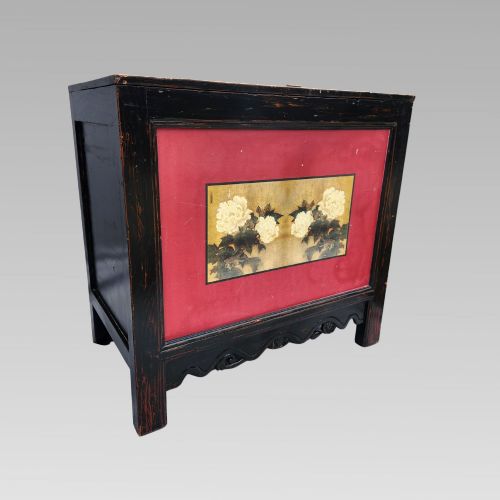
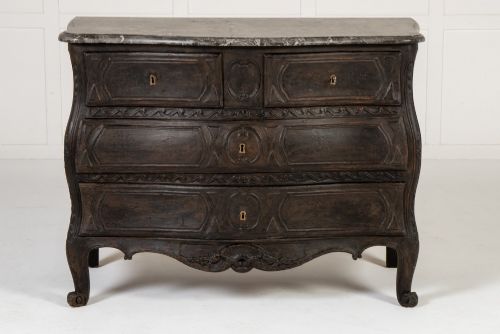
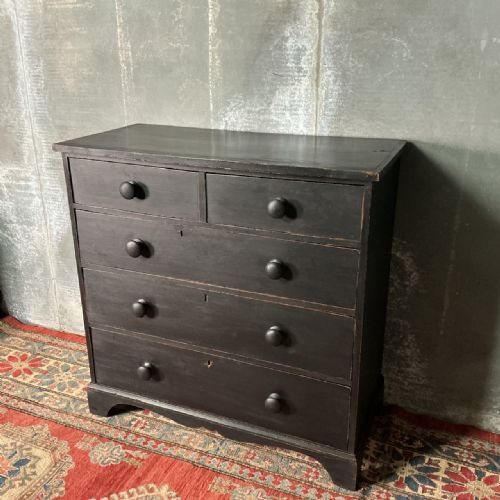
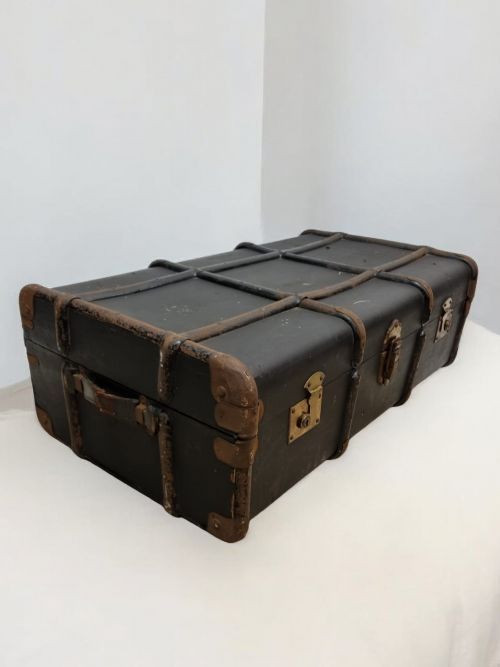
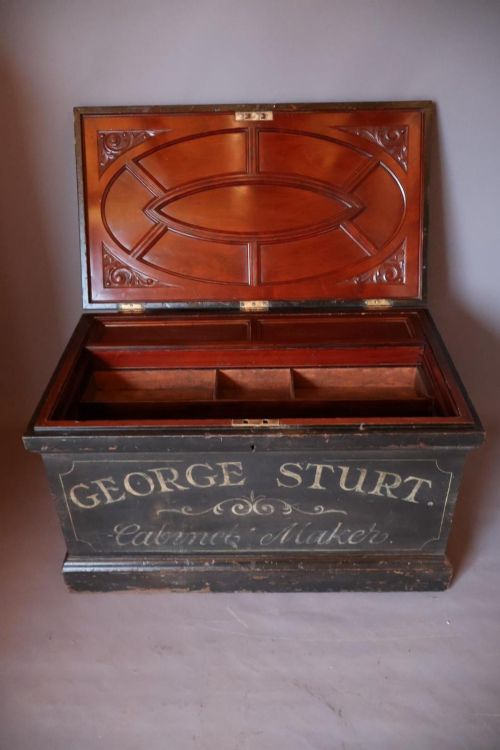
When you search for a black wooden chest, you encounter a surprisingly broad family of objects spanning centuries of domestic and travel utility. The selection ranges from robust pine storage trunks and maritime strong boxes to refined Chinese export lacquer coffers and French ebonised commodes. Most pieces you meet on this page date from the nineteenth century, though earlier eighteenth-century examples and early twentieth-century travel luggage also appear.
These items served distinct purposes in their original contexts, from sailors storing gear on long voyages to households keeping linens, tea, or legal documents secure. You find storage trunks, blanket boxes, chests of drawers, and small table cabinets or tea caddies sharing this dark finish. Regional variations bring forth Scandinavian painted pine, French commodes, and Japanese tansu chests, uniting diverse craftsmanship under a single colour palette.
Materials and Technique
The construction of these pieces relies heavily on solid timbers such as pine, camphorwood, and various hardwoods, frequently reinforced with iron or brass hardware for strength. Makers achieved the characteristic dark appearance through diverse methods, applying black paint, ebonising solutions, or layered black lacquer enriched with gold leaf and floral chinoiserie. Metal binding, leather trim, and dovetailed joints provide the structural integrity necessary for items built to endure heavy use or travel.
Surface decoration ranges from simple folk art paintwork and original hardware to intricate parquetry, inlaid details, and carved motifs. French and Flemish pieces often utilise ebony and kingwood veneers, while Asian workshops employed traditional lacquer techniques to build durable, glossy finishes. The combination of honest utilitarian carpentry and decorative surface treatment defines the physical character of each piece.
Black Wooden Chest Retail Price Guide 2026
Typical asking prices for black wooden chest among the pieces listed under this phrase on Sellingantiques today, from the lower quarter to the upper quarter. They describe what is for sale here now, not the wider market.
The listings show periods ranging from the seventeenth century through to the 1930s, uniting Scandinavian painted pine with Asian lacquer and French ebonised commodes.
Judging Quality
Quality in these pieces rests upon the integrity of the original surface and the fidelity of the construction. An untouched, original paint or lacquer finish holds greater merit than a later, modern recoating, as patination reveals the true age of the object. The harmony between the timber framing and the hardware, whether heavy iron brackets or delicate brass hinges, indicates the original workshop standards.
Proportion and execution distinguish standard utility items from finer cabinet work. A well-proportioned bombe commode or a meticulously dovetailed tool chest demonstrates superior craftsmanship compared to basic utilitarian boxes. The survival of interior fittings, original locks, and untouched decorative details elevates the standing of any piece within its category.
The Black Wooden Chest Glossary
- Ebonised
- Wood stained or treated to imitate ebony, a technique widely used in Victorian and Regency furniture. It gives a deep black matte or polished finish.
- Lacquer
- A durable resin finish applied in multiple layers and cured to a hard sheen, typical of Asian export pieces. It creates a smooth, reflective surface resistant to moisture.
- Campaign trunk
- Portable furniture designed for military officers or travellers, featuring recessed brass handles and reinforced corners. These chests dismantle or withstand rough transit.
- Tansu
- Traditional Japanese mobile storage cabinetry built with exposed joinery and iron mounts. They often take modular or step forms for domestic organisation.
- Dovetailed
- A joint formed by interlocking wedge-shaped fingers, standard in quality box and drawer construction. This technique ensures strong corners without relying entirely on nails.
Black Wooden Chest: Frequently Asked Questions
How do I clean a painted wooden chest?
Dust the surface regularly with a soft, dry cloth to prevent dirt accumulation. Avoid harsh chemical cleaners or excess water, which can damage old paint or lacquer.
Apply a specialist microcrystalline wax very sparingly if the wood appears dry. Buff gently with a clean cloth to maintain the natural sheen without lifting historic finishes.
Can I use a campaign trunk as a coffee table?
Many people utilise low storage trunks as coffee tables because their flat tops and sturdy construction suit living spaces well. The interior compartments also provide hidden storage for blankets or books.
Ensure the surface is protected from moisture rings by using coasters or trays. Keep heavy objects distributed evenly to preserve the vintage lid structure.
What is the difference between ebonised wood and black paint?
Ebonising involves chemical staining or dyeing the actual wood grain black, allowing the natural texture to remain visible beneath the dark tone. Painting applies an opaque coloured pigment layer that sits on top of the timber.
Examination under a strong light often reveals grain patterns through ebonised finishes. Painted surfaces tend to show craquelure or wear patterns characteristic of age.
How do I date a nineteenth-century pine trunk?
Inspect the construction methods, particularly the fasteners and joinery used inside the box. Hand-cut dovetails and hand-forged iron nails point towards earlier nineteenth-century production.
Look for maker stamps, paper labels, or specific hardware designs typical of the Victorian era. Commercial brass locks and stamped screws generally indicate the later decades of the century.