

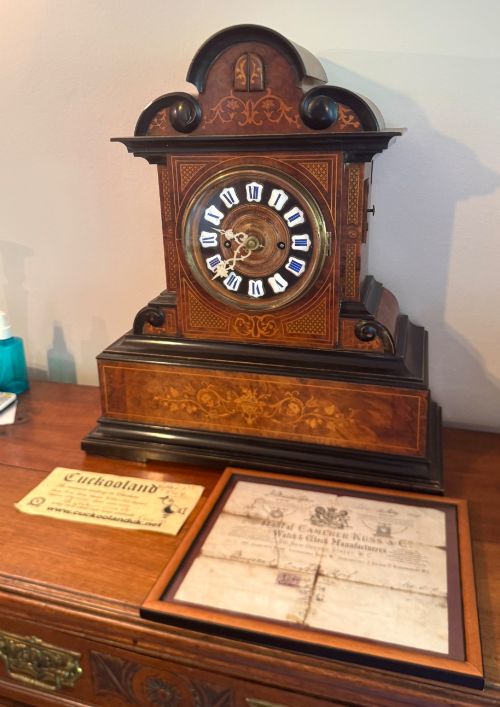


Black Wooden Brackets
These black wooden brackets bring dark elegance and sculptural form to interiors, offering serious collectors pieces in ebonised woods and carved oak.
Black Wooden Brackets
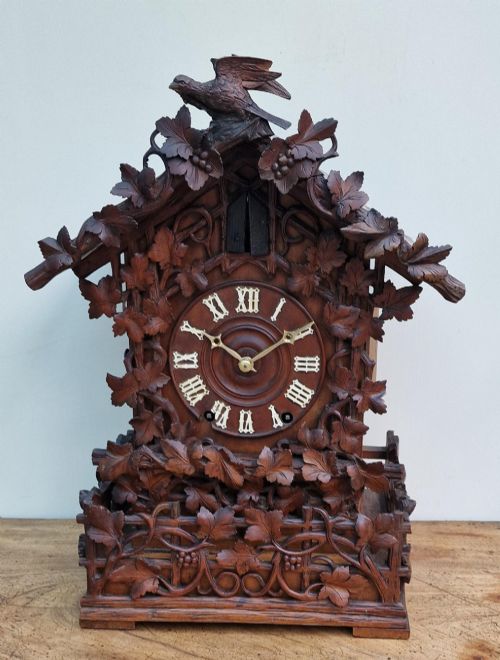
When you search for black wooden brackets, you are looking at items that encompass architectural wall supports alongside table clocks and mantel clocks housed in dark ebonised wooden cases. The selection includes decorative wall brackets from the Victorian Black Forest tradition alongside clock cases executed in ebonised wood.
The dominant forms on this page are clock cases and wall brackets from the Victorian and nineteenth-century periods, with earlier eighteenth-century examples appearing in ebonised timber and carved oak. These objects demonstrate how dark wood finishes were utilised across different centuries to create striking silhouettes.
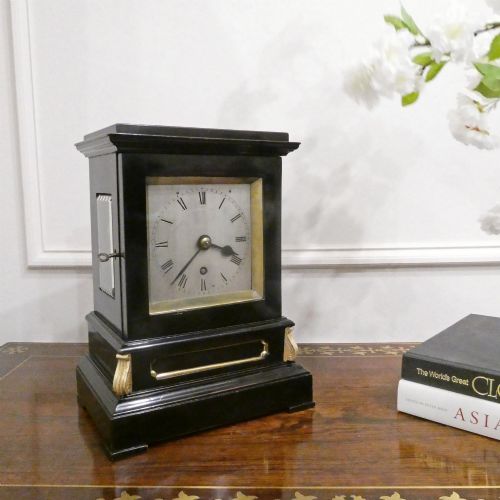
Buyers will find that ebonised wood is the primary medium giving these pieces their characteristic dark finish, often paired with brass dials, silvered metal, or ormolu mounts. The forms range from architectural wall supports to complex mechanical timepieces.
How they were made
Makers achieved the dark surfaces of these black wooden brackets primarily through ebonising timber, a chemical process that darkens light wood to resemble ebony, or by carving dense woods such as oak and walnut. This work relied on precise hand-carving techniques, particularly in pieces originating from the Black Forest and Victorian workshops.
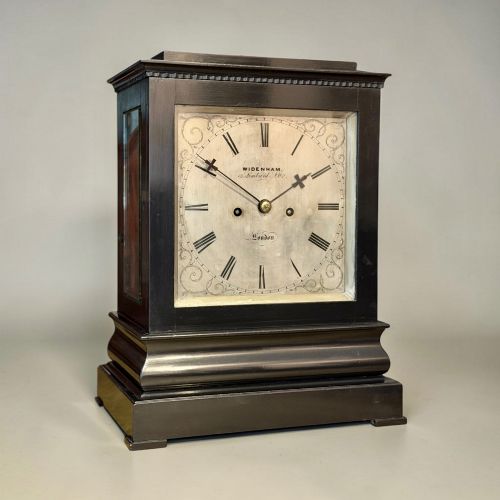
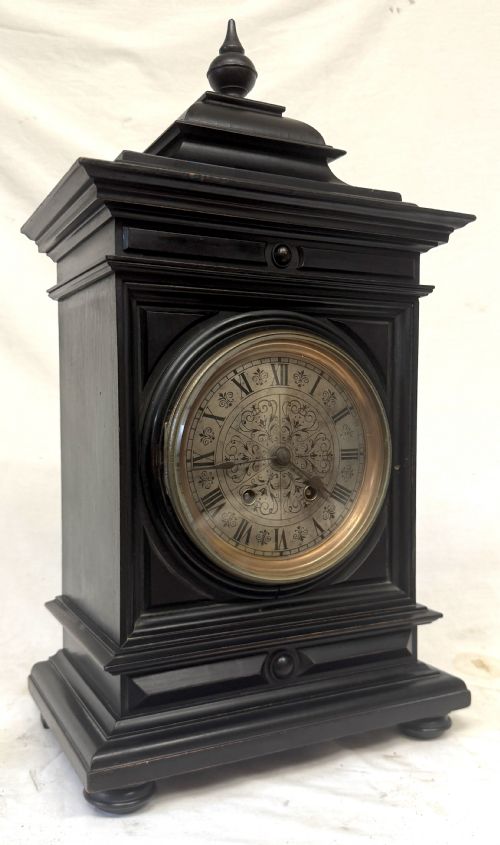
Clock cases incorporate break-arch designs, bell tops, and marquetry details alongside the ebonised timber structures. Structural integrity was maintained through traditional joinery suited to housing heavy mechanical movements or supporting wall loads.
Black Wooden Brackets Retail Price Guide 2026
Typical asking prices for black wooden brackets among the pieces listed under this phrase on Sellingantiques today, from the lower quarter to the upper quarter. They describe what is for sale here now, not the wider market.
Listings feature periods from the eighteenth century to the late Victorian era, utilising ebonised wood, carved oak, and brass.
What varies in quality
Quality in these black wooden brackets is defined by the crispness of the wood carving and the depth of the ebonised finish. Superior pieces display sharp detailing in carved elements and smooth, even application of the dark finish across the timber surface.
The sophistication of the joinery and the integration of secondary materials, such as brass dials, silvered metal chapters, or ormolu mounts, separate standard examples from finer works. The proportion and balance of the wooden case determine the visual success of each piece.
Widenham of London·Lenzkirch·Des Granges of London·Andrew Marchant of London·John Leroux·Barraud & Lunds·Joseph Lum of London
The Black Wooden Brackets Glossary
- Ebonised wood
- Timber treated to simulate ebony through staining or chemical staining processes. This finish was widely favoured during the nineteenth century for clocks and decorative objects.
- Fusee
- A conical pulley used in clock movements to maintain equal power as the mainspring unwinds. It ensures greater timekeeping accuracy.
- Break-arch case
- A clock case design featuring an arched top interrupted by horizontal shoulders. This architectural form is common in eighteenth and nineteenth-century clockmaking.
- Verge escapement
- An early type of clock or watch escapement that controls the release of the gear train. It is typically found in older, historically significant timepieces.
- Marquetry
- The art of applying pieces of veneer to a structure to form decorative patterns. It frequently combines walnut and other woods with ebonised elements.
Black Wooden Brackets: Frequently Asked Questions
What materials make up these ebonised pieces?
The listings show items constructed primarily from ebonised wood, oak, and walnut, often complemented by brass, silvered metal, and glass components.
Secondary materials such as bone and ormolu also appear on specific clock dials and decorative mounts.
Which periods do these items represent?
The pieces span from the eighteenth century through the Victorian era, including Regency and nineteenth-century examples.
Specific dates recorded in the evidence range from seventeen-forty-five to the late nineteenth century.
How do mantel clocks differ from wall brackets?
Mantel clocks are designed to stand flat on surfaces like mantelpieces, featuring self-contained mechanical movements housed in ebonised cases.
Wall brackets are architectural supports meant to be mounted directly onto walls to display objects.
Where were these dark wood objects made?
Origin points include London workshops, German and Swiss regions, and the Black Forest.
British and European makers produced these diverse ebonised items throughout the nineteenth century.