



Black Wood Walking Stick
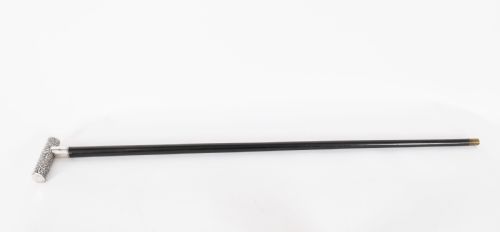
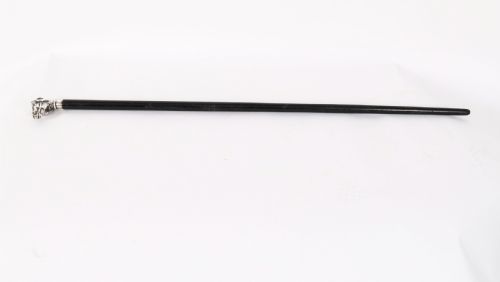
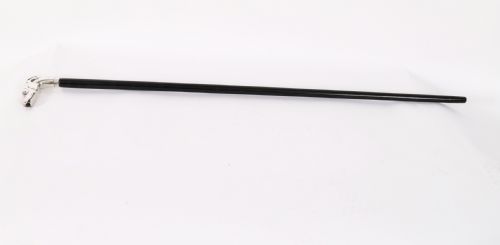
A black wood walking stick is a steady companion carrying history in its dark grain and metal mounts.
Black Wood Walking Stick
A black wood walking stick offers a classic gentleman's accessory fashioned from ebonised wood or natural blackthorn, frequently dated across the nineteenth century and into the early twentieth century. These pieces combine practical support with distinguished craftsmanship, often appearing as plain ebonised shafts or distinct Irish blackthorn varieties.
The selection here encompasses several regional styles and functional designs, including standard walking canes alongside concealed sword sticks and specialised novelty handles. Victorian examples dominate the offerings, spanning decades from eighteen eighty to nineteen hundred and ten with various regional provenances.
Makers and artisans utilised traditional forms to create both understated gentleman's dandy sticks and elaborate conversation pieces featuring carved animal heads and metal grips. Collectors encounter everything from simple timber shafts to sophisticated novelty designs originating from British, French, Russian, and Chinese workshops.
Materials and construction
Construction relies upon dense timbers such as linden wood and blackthorn, frequently ebonised to achieve a deep, uniform black surface finish. Artisans shaped these woods into tapered shafts designed for durability and balance.
Handles and mounts incorporate contrasting metals including silver, brass, and steel, secured to the timber shafts with pins or threaded collars. Many examples feature detailed metalwork such as embossed silver handles or carved bone and horn grips.
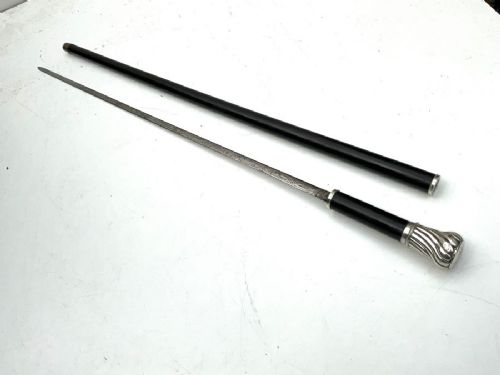
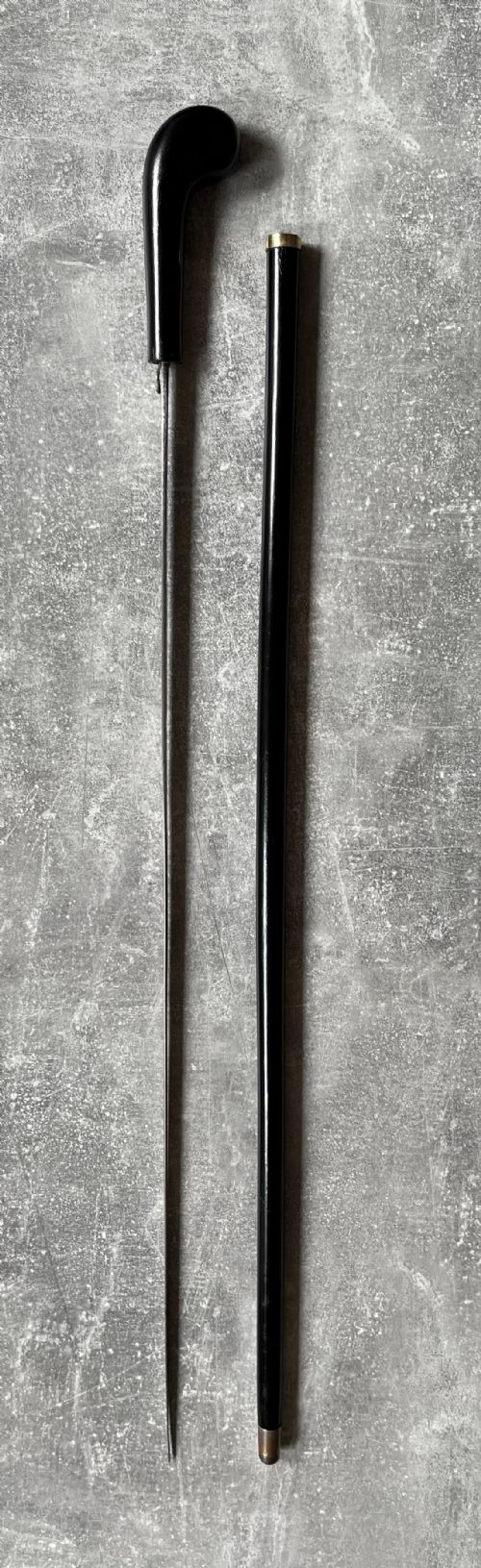
Specialised pieces integrate concealed steel blades, including Toledo blades, transforming standard walking sticks into functional sword sticks. Black Forest pieces demonstrate intricate hand-carving techniques applied to animal head handles depicting bears, dogs, and boars.
Variations in quality
Quality rests upon the execution of the handle details and the integrity of the shaft construction, distinguishing standard utilitarian items from bespoke commissions. Fine examples display crisp metal embossing, detailed animal carving, and secure joins between the handle and timber.
The presence of precious metals and hallmarked silver elevates a piece, particularly when combined with articulated or figural handles depicting horses, greyhounds, or boars. Simpler ebonised sticks rely entirely on the proportion, straightness, and finish of the wood grain.
The Black Wood Walking Stick Glossary
- Ebonised Wood
- Timber treated with a dark stain or finish to imitate true ebony wood. This technique creates a smooth, black surface popular on nineteenth-century walking sticks.
- Sword Stick
- A walking cane containing a concealed blade within the wooden shaft. These pieces often feature a secure locking mechanism to keep the blade in place.
- Hallmark
- An official stamp applied to precious metals indicating purity and origin. Silver handles on walking sticks frequently bear these small stamped marks.
- Toledo Blade
- A steel blade produced in Toledo, Spain, known for flexibility and strength. These blades appear inside high-quality nineteenth-century sword sticks.
Black Wood Walking Stick: Frequently Asked Questions
How do I date a black wood walking stick?
Dating relies upon stylistic clues, metal hallmarks, and material choices recorded across the nineteenth and early twentieth centuries. Victorian examples often display specific handle motifs or silver stamps that narrow down the production era.
Examining the construction methods and any accompanying hallmarks provides a clearer timeline for when the piece was manufactured.
Are these sticks suitable for daily use?
Many of these pieces were built as durable accessories for walking, though age and delicate handle materials require careful handling today. Structural integrity varies between simple ebonised shafts and elaborate novelty canes.
Collectors generally assess the strength of the shaft and the security of the handle before utilising antique sticks for active support.
What is a black forest stick stand?
A Black Forest stick stand is a carved wooden furniture piece designed to hold walking sticks and canes. These items often feature naturalistic carvings of animals like bears matching the style of the canes they stored.
Originating from the Black Forest region in Germany, these stands complement collections of nineteenth-century walking sticks.
How are novelty handles crafted?
Novelty handles take the form of carved animal heads, figures, or specialised grips shaped from silver, brass, horn, or wood. Artisans sculpted these elements by hand to depict subjects such as dogs, boars, and horses.
The attachment method typically involves a collar connecting the grip securely to the main timber shaft.