



Black Wood Chest
A black wood chest brings dark surfaces and timber grain together, offering storage that draws the eye across centuries of workshop traditions.
Black Wood Chest
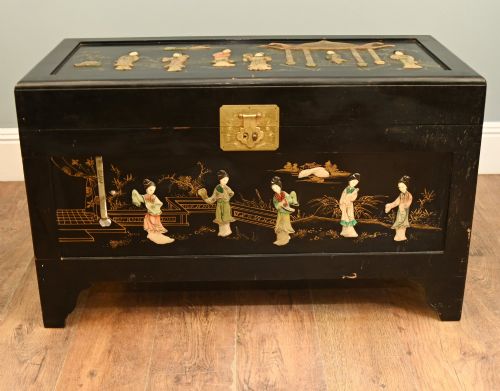
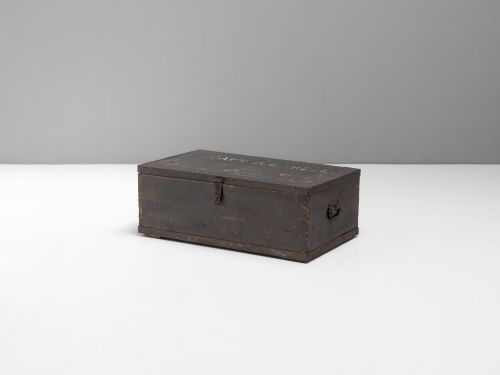
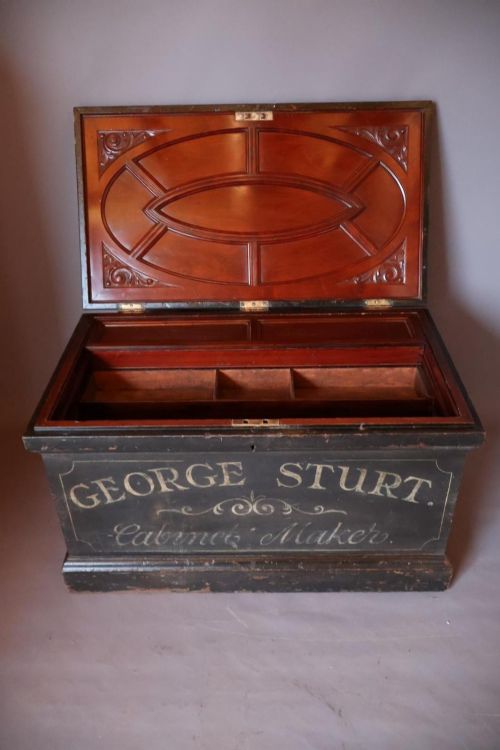
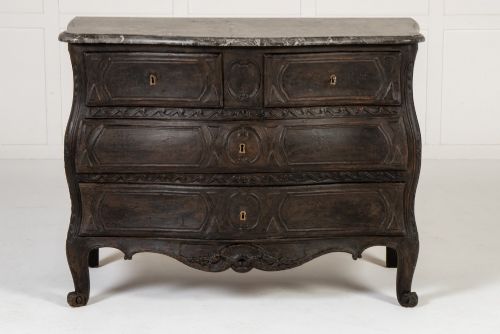
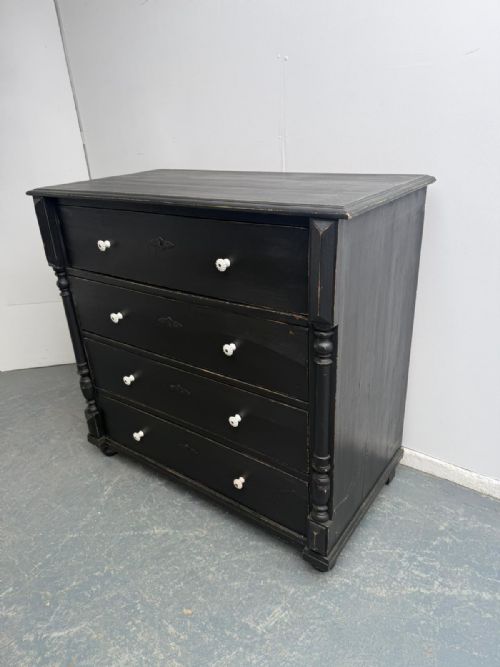
When you search for a black wood chest, you encounter a varied group of storage forms spanning centuries of international cabinet making. The selection ranges from substantial blanket boxes and maritime camphor trunks to intricate tabletop caskets and provincial commodes.
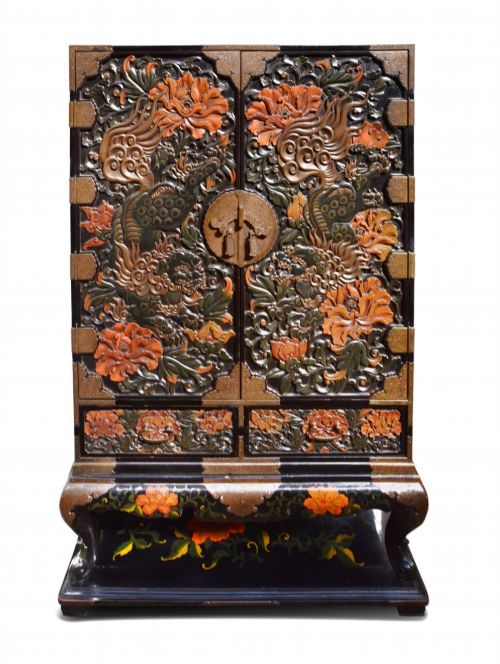
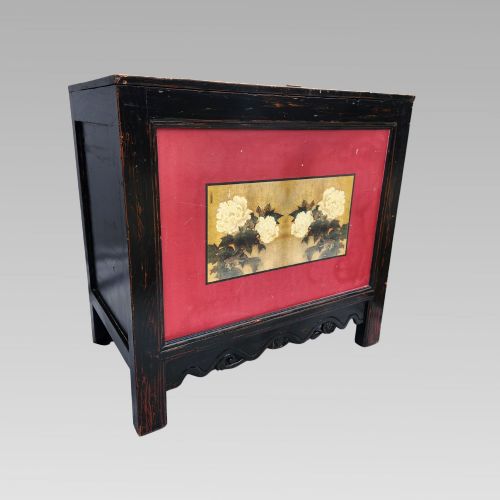
Asian export pieces, particularly Chinese lacquer coffers and Japanese step tansu chests, appear alongside European painted pine boxes and French ebonised commodes. These items serve practical storage needs while displaying distinctive regional aesthetics through dark finishes and applied decoration.
Materials and Technique
Construction relies on solid timbers including oak, pine, elm, and walnut, often enhanced with exterior layers of black paint, lacquer, ebonised polish, or japanning. Cabinet makers utilised traditional joinery methods to stabilise heavy wooden panels against seasonal movement.
Metal hardware plays a functional and decorative role, with brass hinges, iron mounts, and copper locks securing the lids and drawers. Surface ornamentation frequently incorporates hand-painted floral motifs, carved relief work, and intricate penwork details.
Some nineteenth-century French liquor boxes hidden inside dark wood caskets include their original crystal decanters for clandestine travelling refreshment.
Evaluating the Pieces
The degree of original surface preservation distinguishes standard utilitarian examples from finer decorative works. Retaining untouched paint, authentic lacquer, or early patinated wood finish marks a higher tier of craftsmanship.
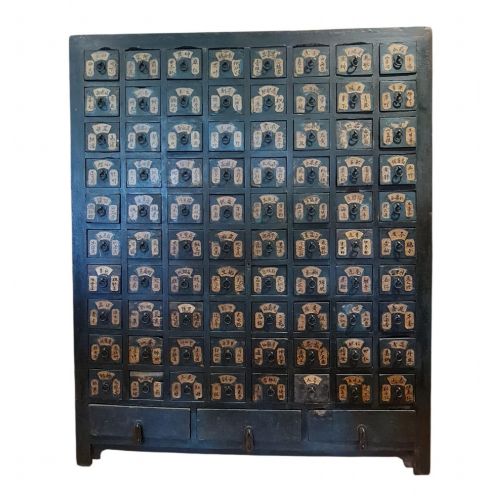
The complexity of internal arrangement and joinery also separates items, from simple plank construction to multi-drawer apothecary cabinets and dovetailed coffers with integrated locking mechanisms.
The Black Wood Chest Glossary
- Japanning
- European imitation of East Asian lacquer work using heat-set varnishes. This technique gained popularity during the seventeenth and eighteenth centuries on cabinets and caskets.
- Ebonisation
- A chemical or pigment treatment applied to light woods such as pear or oak to imitate solid ebony. It creates a dark, uniform surface finish found on Flemish and French furniture.
- Camphor wood
- An aromatic timber native to Asia, utilised for storage chests to deter insects. The characteristic scent remains detectable in antique trunks.
- Tansu
- Traditional Japanese mobile storage cabinetry built in sections, including step chests and merchant chests. They feature exposed timber frames and iron hardware.
- Bombe
- A swollen or convex bulging shape characteristic of eighteenth-century commodes and drawer fronts. This profile requires advanced shaping of wood or application of veneer.
Black Wood Chest: Frequently Asked Questions
What were camphor chests used for?
Camphor trunks provided secure storage for textiles and clothing during long maritime voyages. The natural oils in the wood protected contents from moths and damp conditions.
Over time, these chests transitioned into domestic storage pieces prized for their distinctive aroma and durable construction.
How do I care for antique lacquer?
Keep lacquered chests away from direct sunlight and extremes of temperature to prevent the surface from drying or cracking. Dust gently with a dry, soft microfibre cloth rather than liquid cleaners.
Maintain stable indoor humidity levels to preserve both the wooden substrate and the delicate outer finish.
What is a tansu chest?
A tansu is a traditional Japanese chest built for storage in domestic or merchant settings. These pieces often feature modular sections and heavy iron corner brackets for transport.
Step chests, known as kaidan tansu, served the dual purpose of staircase access to upper floors and integrated drawer storage.
How can I identify ebonised wood?
Ebonised wood presents a deep black finish applied to a lighter underlying timber such as fruitwood, oak, or beech. Close inspection of worn edges may reveal the paler wood beneath the dark stain or polish.
This technique provided the visual weight of solid ebony without the prohibitive cost and weight of the imported hardwood.