



Black Profile Art
Black profile art captures likenesses in stark contrast, offering intimate glimpses of past sitters through delicate paper silhouettes and painted miniatures.
Black Profile Art
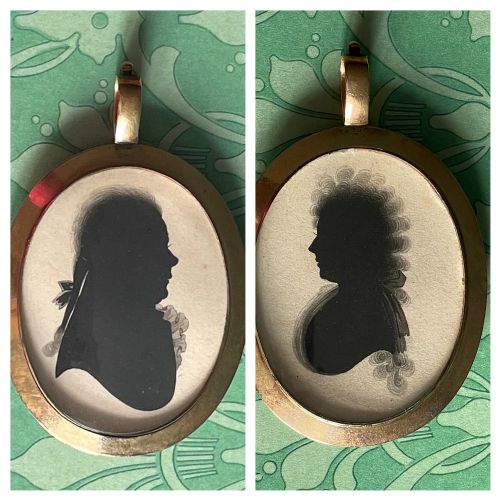
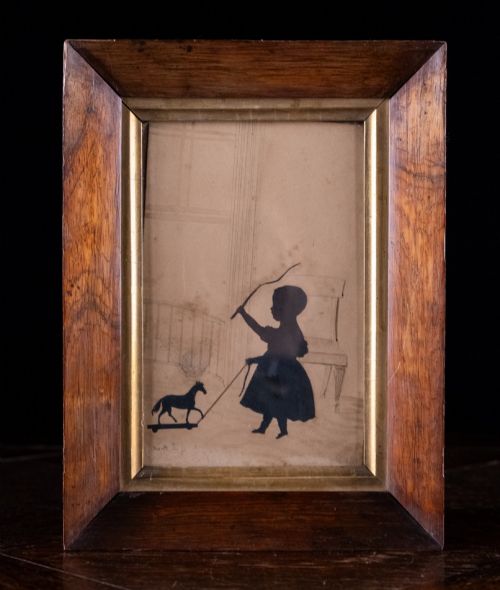
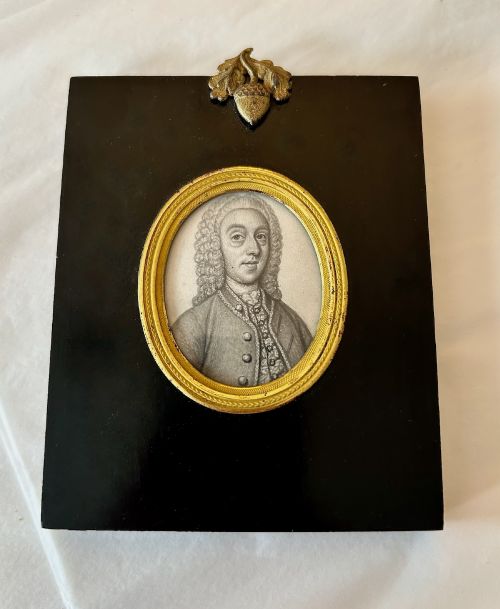
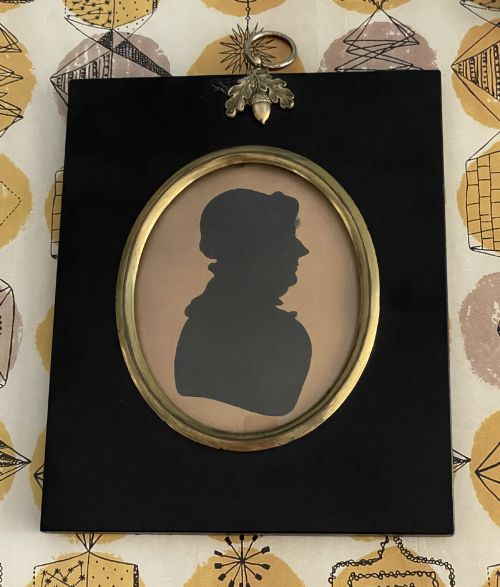
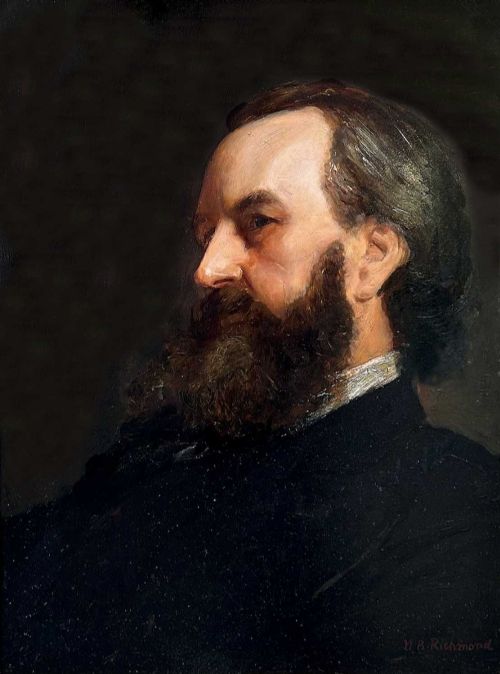
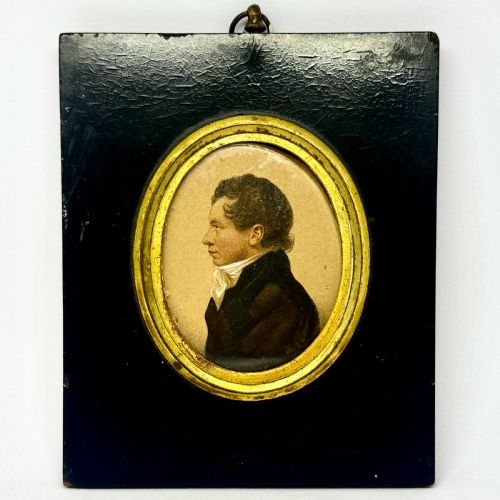
Black profile art encompasses shadow portraits and silhouette works produced across the 18th, 19th, and early 20th centuries, capturing likenesses in silhouette, cut-paper, and dark pigment. When exploring black profile art, expect to encounter framed wall art, miniature portraits, and hanging conversation pieces depicting gentlemen, ladies, children, and family groups.
The objects span Georgian, Regency, and Victorian periods, reflecting the shifting popularity of profile likenesses before photography replaced them. Many pieces appear in ebonised wood, rosewood, or brass frames, occasionally retaining original brass hangers or convex glass coverings.
Materials and Methods
Makers produced these works using cut paper, ink, watercolour, and oil paint, applying dark profiles onto plaster, card, or glass grounds. Artists often added gold leaf highlights to define clothing details, buttons, and lace upon the black silhouette.
Framing materials included ebonised wood and brass, protecting delicate paper cut-outs and reverse-painted glass panels from dust and atmospheric moisture over the centuries.
Black Profile Art Retail Price Guide 2026
Typical asking prices for black profile art among the pieces listed under this phrase on Sellingantiques today, from the lower quarter to the upper quarter. They describe what is for sale here now, not the wider market.
The listings demonstrate a heavy concentration of 19th-century and Regency pieces, utilising glass, paper, ebonised wood, and gold leaf.
Judging Quality and Execution
The inclusion of signature touches, artist labels on the reverse, and original frames enhances a piece, while well-preserved gilded highlights and undamaged convex glass indicate careful preservation.
John Miers·Augustin Edouart·James Ferguson·John Smith of Edinburgh·Frederick Frith
The Black Profile Art Glossary
- Silhouette
- A portrait rendered as a solid dark shape in profile, typically cut from paper or painted on a light background. This term forms the core of black profile art.
- Plumbago
- A drawing executed in graphite, taking its name from the Latin word for lead ore. These detailed works often serve as preparatory sketches for larger portraits.
- Ebonised wood
- Timber treated to resemble ebony, frequently utilised for dark picture frames surrounding profile portraits. The deep black finish complements the contrast of the artwork.
- Reverse painted
- A technique where the artist paints directly onto the rear side of a glass panel so the image is viewed through the front. This method creates a glossy surface finish popular in Georgian and Regency miniatures.
Black Profile Art: Frequently Asked Questions
Where should I hang them?
These pieces suit small wall spaces, hallways, or grouped arrangements alongside other period frames, benefiting from eye-level placement where details remain visible. Avoid locations exposed to direct sunlight to prevent fading on paper cut-outs and watercolour pigments.
Group several framed pieces together on a neutral wall to recreate the gallery walls favoured in Regency and Victorian interiors.
How do I date a silhouette?
Dating relies on costume details such as Regency turbans, Georgian cravats, or Victorian dress styles, alongside the framing materials and paper types used. Written inscriptions on the reverse, artist trade labels, and tax stamps occasionally provide precise dates or sitter names.
Plaster grounds and specific maker trade labels point directly to late 18th-century or early 19th-century workshops.
Are frames usually original?
Many pieces retain their original ebonised wood or rosewood frames, often fitted with miniature brass bezels or acorn hangers characteristic of the period. Inspecting the backboards, old paper seals, and frame joints helps determine if the housing dates alongside the artwork.
Original convex glass and trade labels pasted to the reverse provide the strongest indication that the frame has remained undisturbed.