

Black Miniature Frame
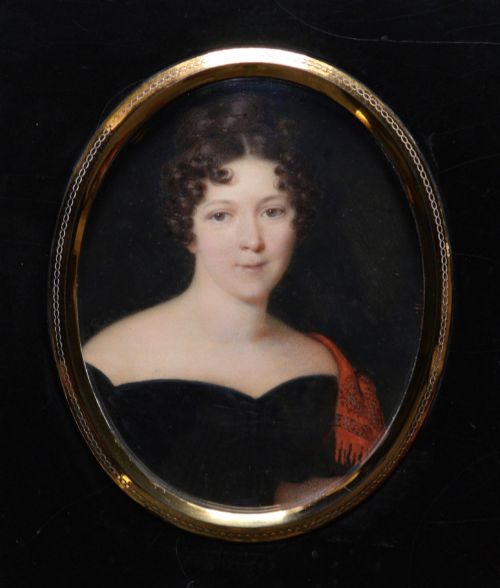
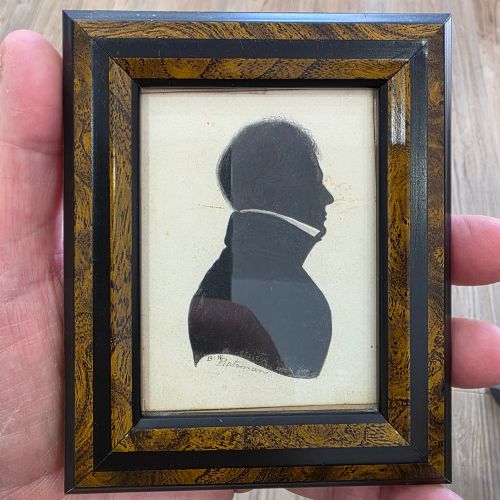
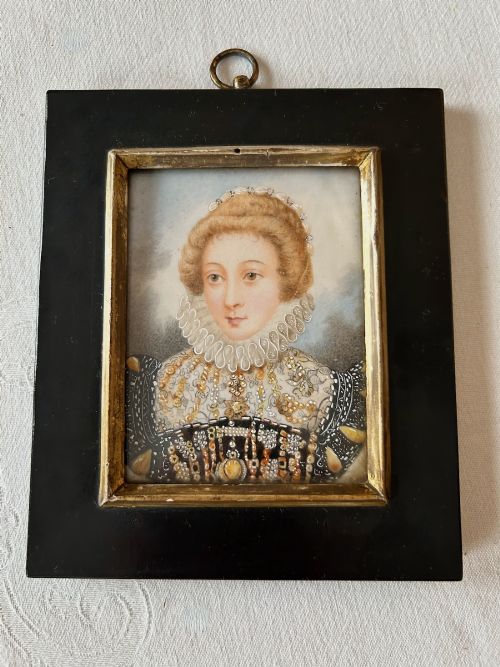
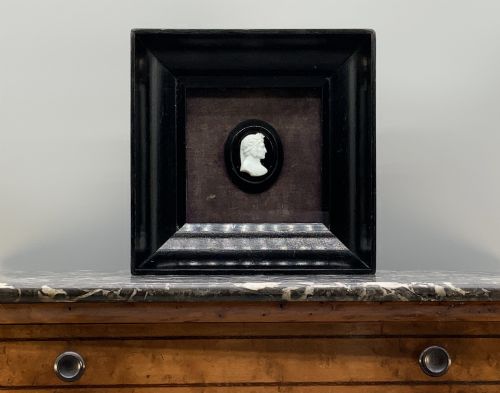
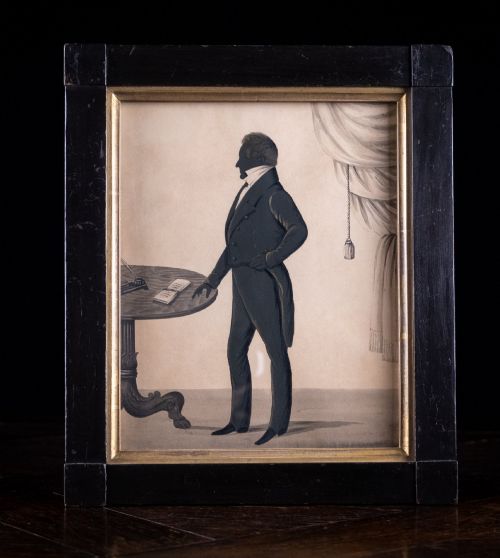
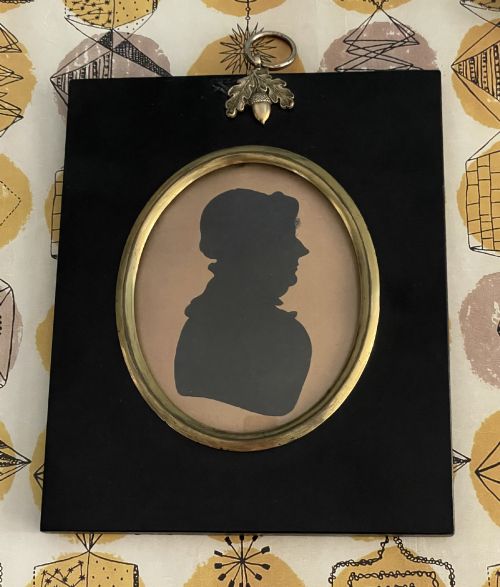
A black miniature frame holds small portrait paintings, silhouettes and paper profiles from Georgian, Regency and Victorian hands.
Black Miniature Frame
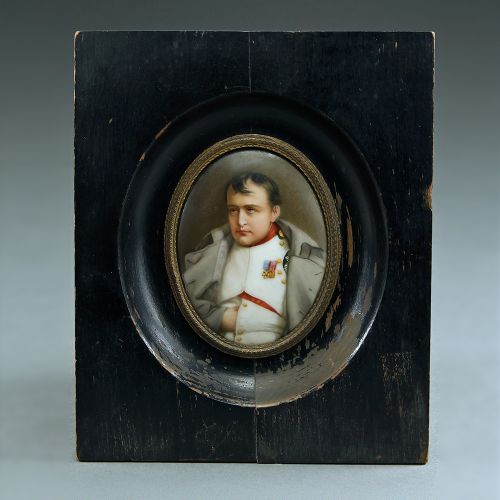
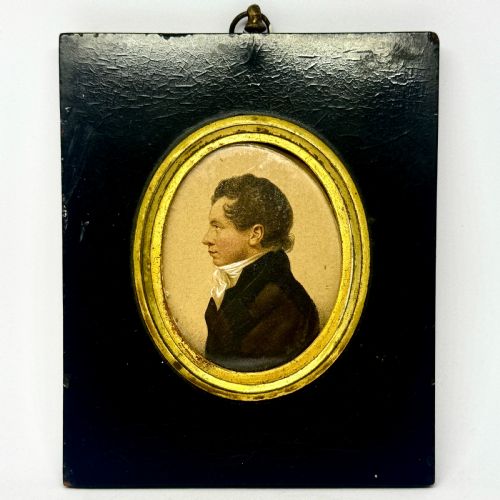
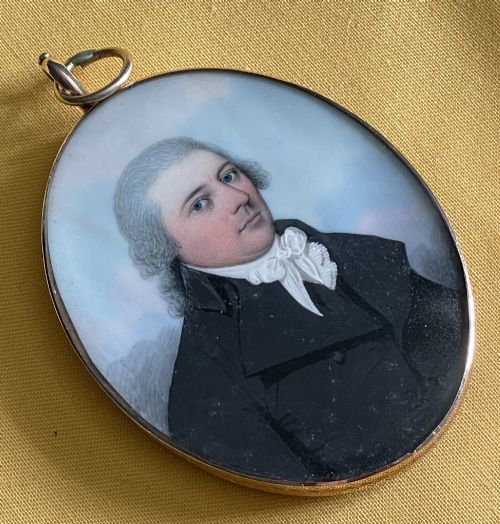
A black miniature frame houses small-scale works including portrait miniatures, silhouettes, and watercolour studies spanning the Georgian, Regency, and Victorian periods. Buyers seeking a black miniature frame encounter timber mouldings, ebonised wood, and paper mache surrounds enclosing delicate likenesses.
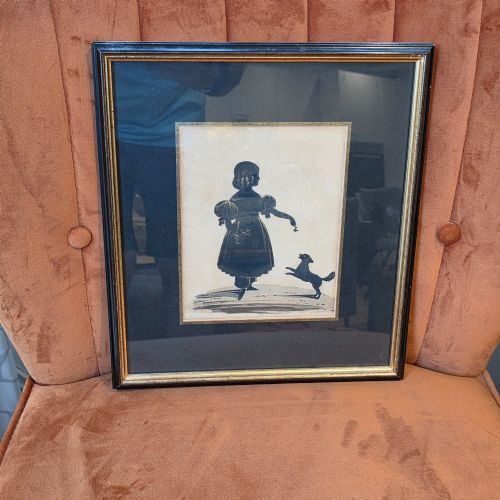
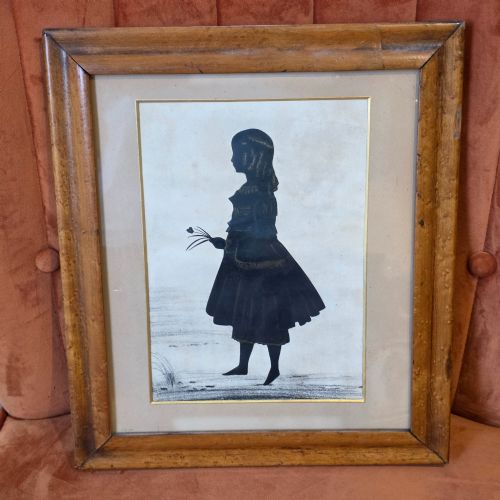
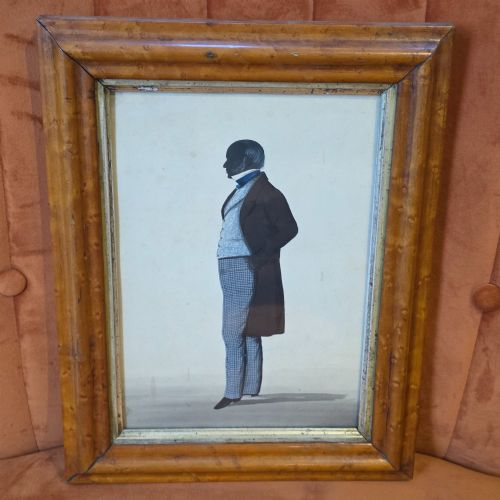
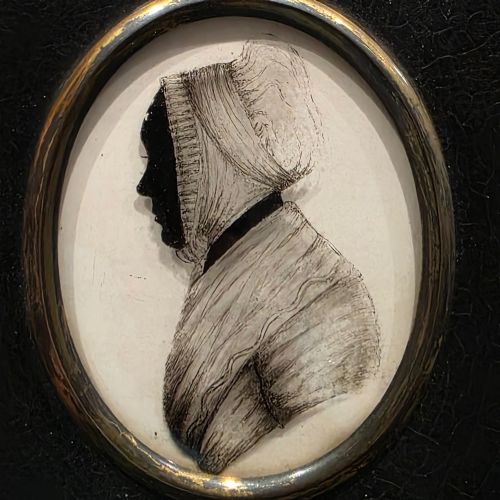
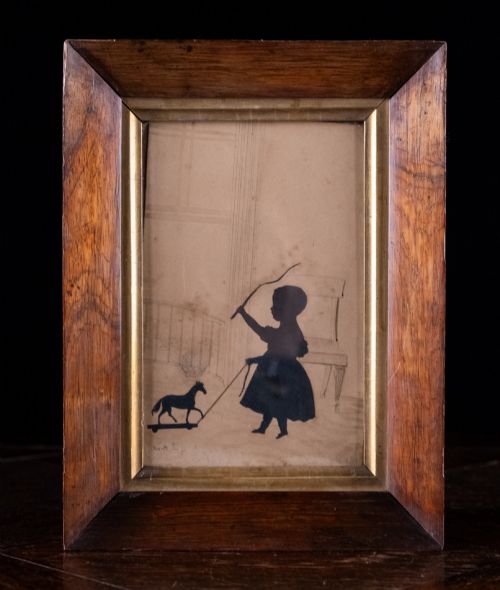
The objects displayed within these dark borders range from hand-cut paper silhouettes to finely painted watercolours on paper and ivory. Many pieces present full-length or bust profiles of gentlemen, ladies, and children created by noted profileists.
Materials and construction
Maker's workshops constructed these small surrounds using close-grained timber, rosewood, and paper mache, applying dark ebonised finishes to create a solid visual perimeter. Glass protects the delicate surface of watercolour pigments, plumbago graphite, and cut paper silhouettes mounted underneath.
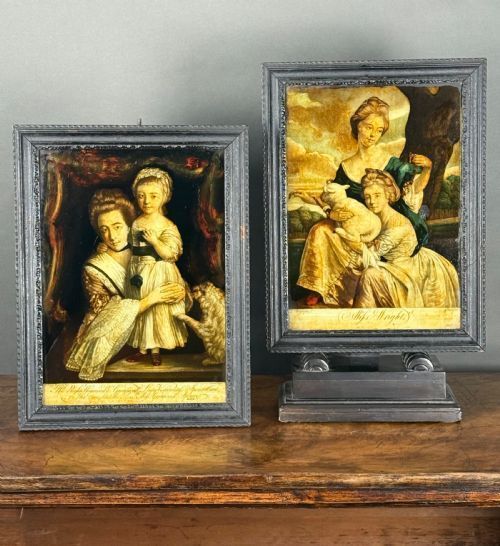
Artists executed portraits using ink, watercolour, and plumbago on paper or vellum, while others painted directly on reverse glass or carved delicate ivories. Frames incorporated brass hangers, bezels, and gold leaf highlights to complement the dark wood and paper elements.
Several Victorian children shared their portrait frames with beloved pet dogs and horses.
Distinctions in quality
The presence of artist signatures, contemporary provenance inscriptions, and original convex glass elevate individual pieces. Inferior examples show clumsy framing replacements, faded pigments, or later adjustments to the backing materials.
William James Hubard·John Miers·Augustin Edouart·Henry Bone·James Tassie
The Black Miniature Frame Glossary
- Ebonised wood
- Timber stained or painted black to imitate costly ebony wood. This dark finish provides a stark, contrasting border around small portraits.
- Plumbago
- An early form of pencil drawing utilising graphite. Artists used plumbago to render highly detailed monochrome portrait miniatures on vellum or paper.
- Reverse glass painting
- A technique where the artist paints directly onto the rear surface of the glass, viewed from the front. This method creates a glossy, protected finish popular in the eighteenth century.
- Silhouette
- A solid dark profile likeness, typically cut from black paper or painted against a pale ground. The form is named after Étienne de Silhouette.
- Convex glass
- Curved glass rounded outward toward the viewer. This specialised glazing accommodated the depth of certain mounts and reduced surface glare on miniature paintings.
Black Miniature Frame: Frequently Asked Questions
How are black miniature frames cleaned?
Dust the timber or ebonised surface gently with a dry, soft artist brush to remove particulate matter without disturbing the joints. Avoid liquid cleaners entirely, as moisture penetrates old wood and damages historic paper or painted grounds inside.
Clean the glass face using a minimal amount of glass cleaner applied directly to a cloth rather than the frame itself. Keep moisture away from the edges where the glass meets the dark moulding to prevent staining the backing paper.
Where should miniature portraits be hung?
Display these small pieces away from direct sunlight and strong artificial heat sources to protect delicate watercolours, paper silhouettes, and ivory grounds from fading. Interior walls with stable temperature and humidity levels ensure the wood frame does not warp.
Group several pieces together at eye level on a narrow wall or alcove to appreciate their intimate scale. Avoid damp spaces such as kitchens or unheated rooms where moisture affects the paper and backing materials.
Are these frames original to the portraits?
Many surviving pieces retain their original ebonised wood, rosewood, or paper mache surrounds applied by the makers or contemporary framers. Close inspection of the rear backing papers, pins, and seals helps determine whether the frame and portrait have remained together.
Replacements occurred over centuries due to breakage or shifting tastes in display. A period-correct frame matching the material and construction of the era still offers historical harmony.
What subjects appear in these frames?
Portraits depict Regency gentlemen, Georgian ladies, children with pets, and notable historical figures rendered in silhouette or watercolour. Artists also recorded family members, military officers, and anonymous sitters during the eighteenth and nineteenth centuries.
The domestic nature of these objects meant families commissioned likenesses to keep close in private rooms or travel with during journeys. Each subject reflects the social customs and portraiture styles of its specific decade.