

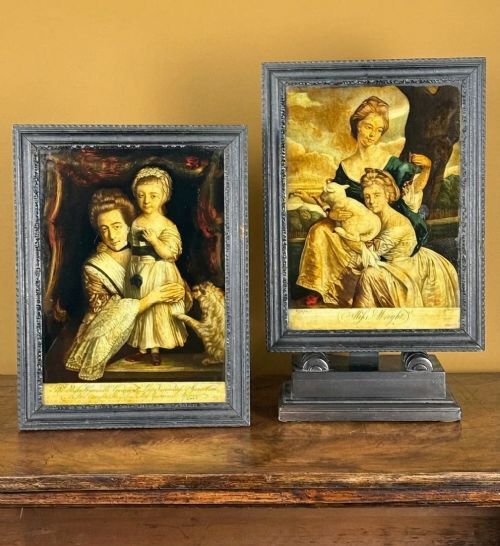
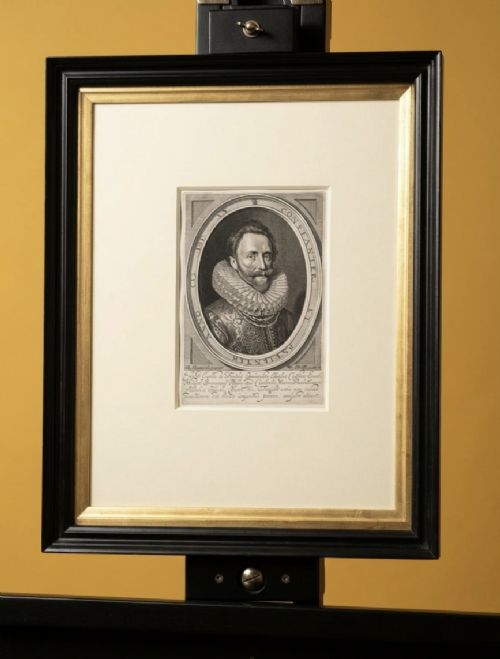
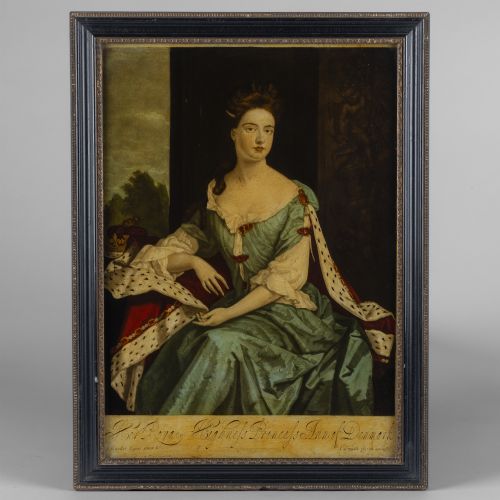
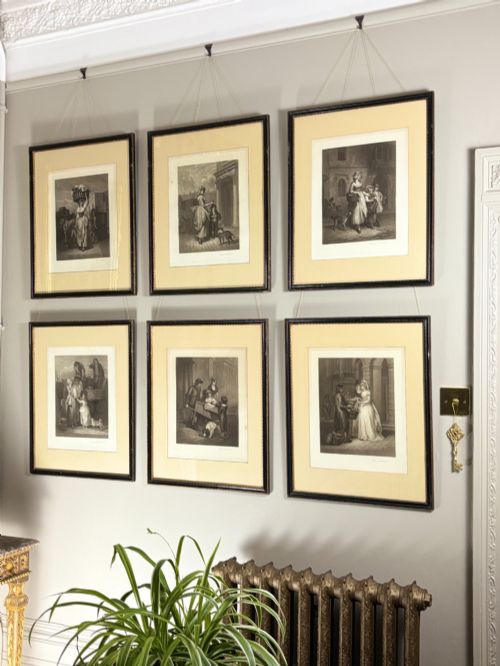
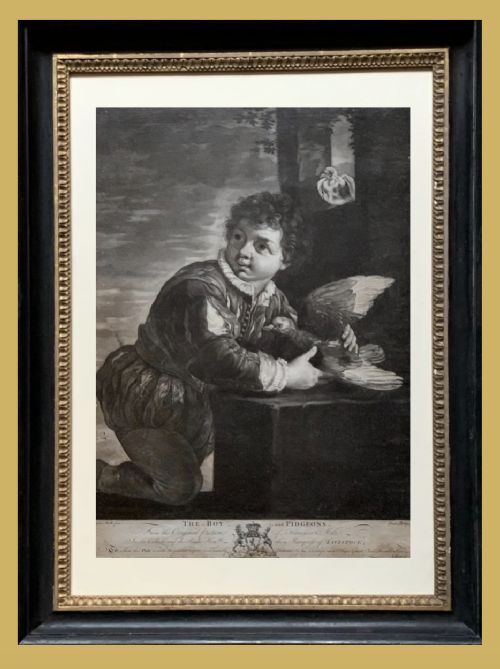
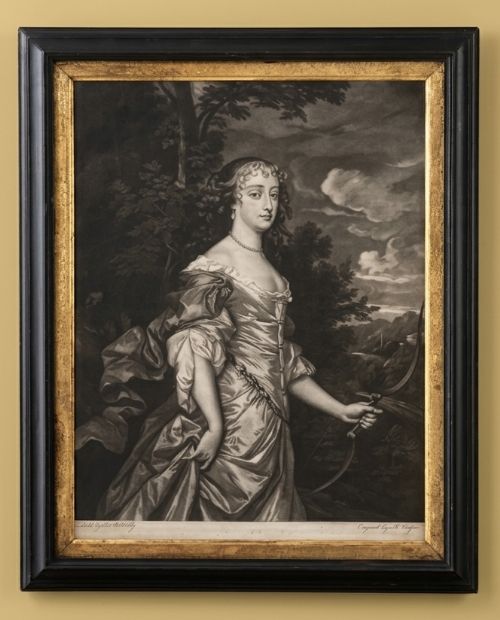


Black Mezzotint Portrait
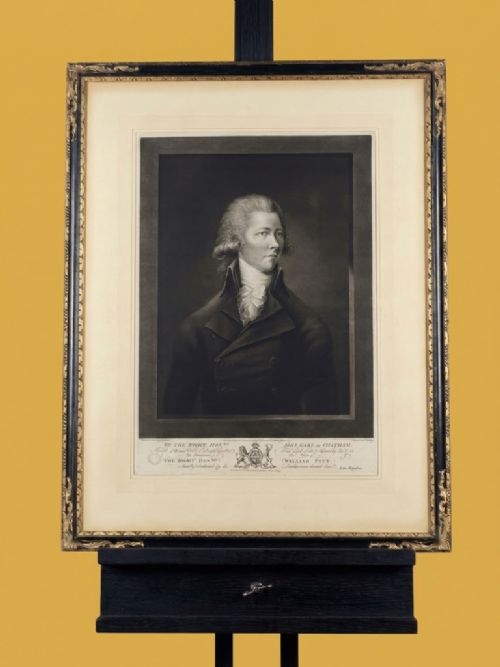
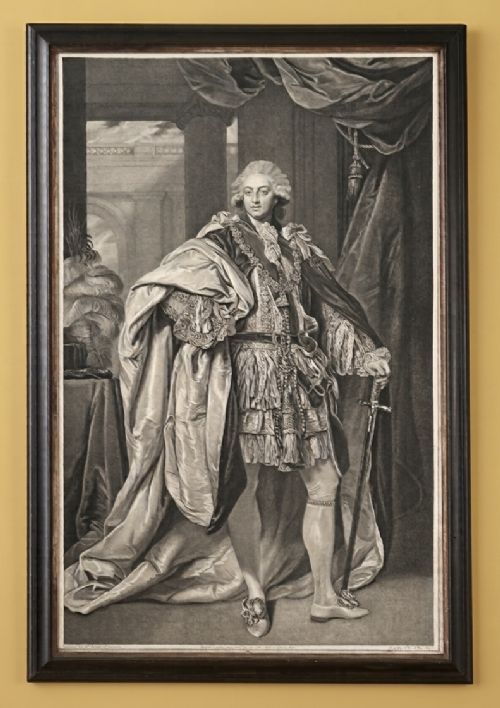
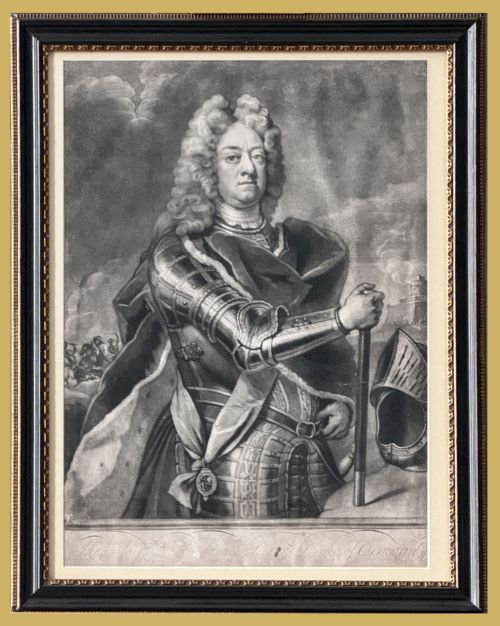
A black mezzotint portrait captures aristocratic features through velvet tones, offering collectors deep chiaroscuro depth.
Black Mezzotint Portrait
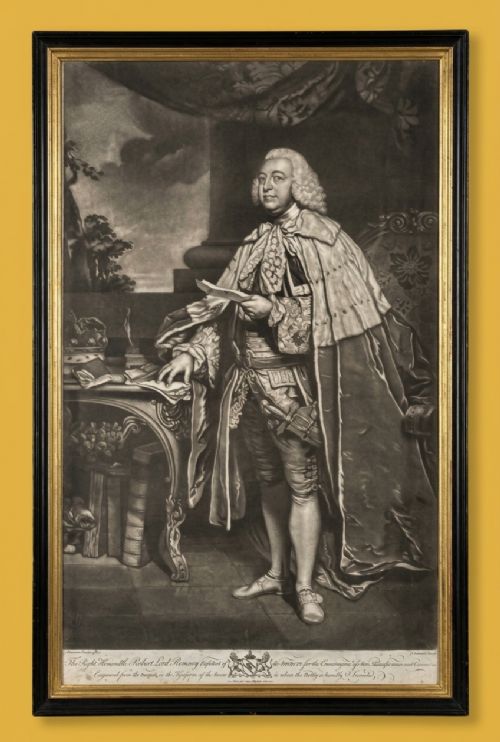
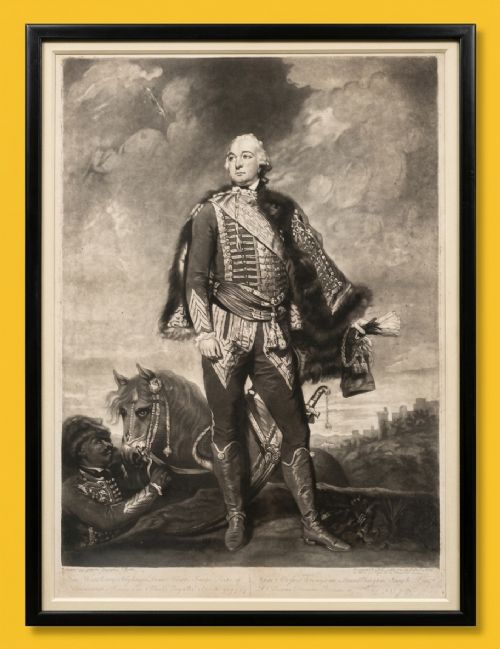
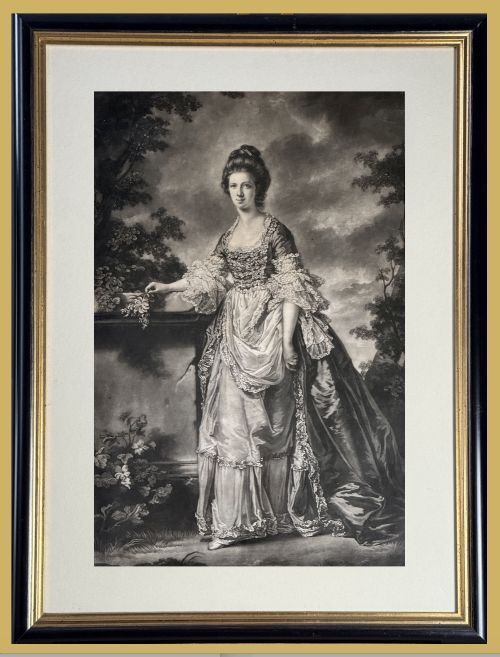
A black mezzotint portrait presents historical sitters, royals, and nobility rendered through rich tonal gradations rather than simple lines. These framed prints belong primarily to the seventeenth and eighteenth centuries, originating from British printmaking traditions.
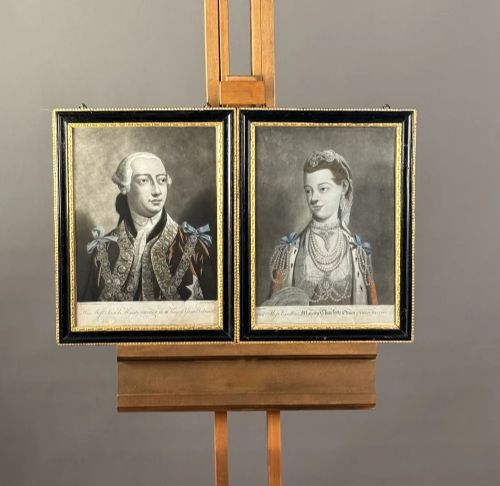
Collectors encounter subjects ranging from monarchs like King George III and Queen Charlotte to prominent military commanders and duchesses. The works often translate large oil paintings by master painters into smaller domestic formats.
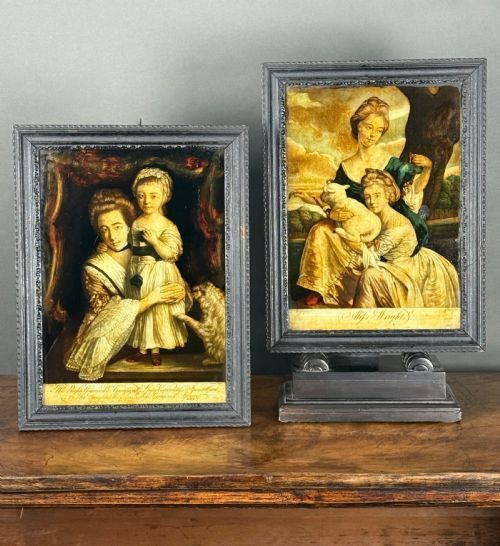
The aesthetic relies on dark, velvety backgrounds that push the lit figures forward. Such pieces frequently survive within period wooden frames, sometimes enhanced by reverse glass techniques.
Materials and printmaking technique
Makers prepared copper printing plates by roughening the surface evenly with a rocker tool to create a dense burr that held ink completely. Scraping and burnishing back into this textured ground produced lighter areas and subtle middle tones.
Printers applied dark oil pigment onto damp paper using engraved plates, resulting in deep blacks and velvety shadows. Finished sheets were subsequently mounted behind glass within wooden frames, occasionally incorporating gold leaf or gilt details.
Black Mezzotint Portrait Retail Price Guide 2026
Typical asking prices for black mezzotint portrait among the pieces listed under this phrase on Sellingantiques today, from the lower quarter to the upper quarter. They describe what is for sale here now, not the wider market.
Listings span the seventeenth through nineteenth centuries, utilising paper, ink, and oil pigment within wood and gilt frames.
Judging print depth and impression quality
Quality rests upon the richness of the ink impression and the preservation of the delicate copper burr. Early impressions yield deep, velvety blacks, whereas worn plates produce grey, washed-out shadows that lack tonal contrast.
The skill of the scraper determines the subtlety of light across the face and garments. Master printmakers achieved smooth transitions from shadow to highlight, retaining the dramatic chiaroscuro intended by the original portrait painter.
George Keating·John Smith·Thomas Frye·James Watson·John Jones·Thomas Watson·John Simon·Edward Fisher·John Boydell·Joseph Sympson·Valentine Green·John Faber Snr·James McArdell·Robert Williams·Richard Houston·Robert Sayer
The Black Mezzotint Portrait Glossary
- Mezzotint
- A printmaking process where the copper plate is roughened entirely and then scraped to create tones. This method allows for subtle gradations of light and dark without relying on traditional line etching.
- Chiaroscuro
- The treatment of light and dark drawing in a work of art. It creates a strong contrast that gives figures a three-dimensional volume against dark backgrounds.
- Reverse glass
- A technique where the image is painted or printed directly onto the rear side of a glass panel. Viewed from the front, the glass protects the surface and imparts a glossy sheen.
- Burr
- The raised metal ridge left on a copper plate by the rocker tool. This texture holds the ink to produce the characteristic rich dark areas in early impressions.
Black Mezzotint Portrait: Frequently Asked Questions
What is a mezzotint portrait?
A mezzotint portrait is an intaglio print created by roughening a copper plate to hold ink, producing rich tones and dark backgrounds.
Unlike line engravings, this technique builds images entirely from light and shade, allowing for smooth tonal transitions.
How do I date these prints?
Dating relies on the sitter's lifespan, the active years of the printmaker, and the paper or framing materials.
Most examples originate from the seventeenth and eighteenth centuries, reflecting Georgian and Restoration artistic tastes.
How were they displayed?
These portraits were traditionally framed behind glass in timber mouldings to adorn domestic walls and libraries.
They allowed middle and upper classes to collect likenesses of royalty and military heroes previously restricted to private galleries.
Why are the backgrounds so dark?
The technique begins by pitting the entire copper plate so it prints solid black, with lighter areas scraped away.
This deliberate inversion creates dramatic contrast, making the illuminated faces and garments emerge sharply from the shadows.