




Black Metal Sign
These black metal sign pieces are resilient markers of trade, transport, and architecture, offering genuine historic character for interior and exterior spaces.
Black Metal Sign
A black metal sign represents a diverse group of utilitarian and decorative objects spanning several centuries, including street names, railway notices, and trade plaques. When exploring this selection, buyers encounter functional items produced for municipal, commercial, and domestic use.
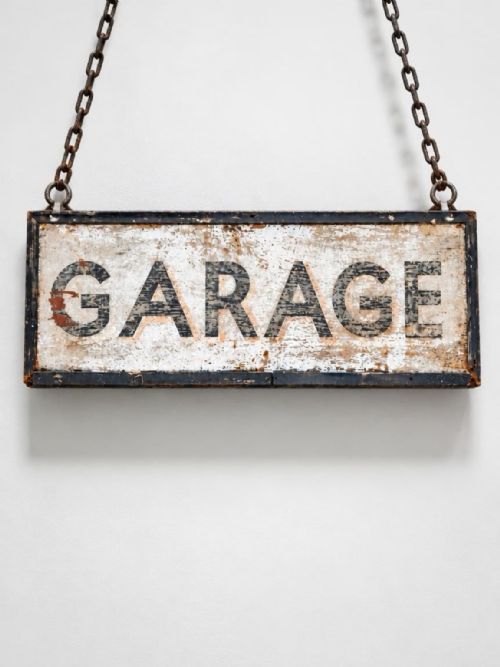
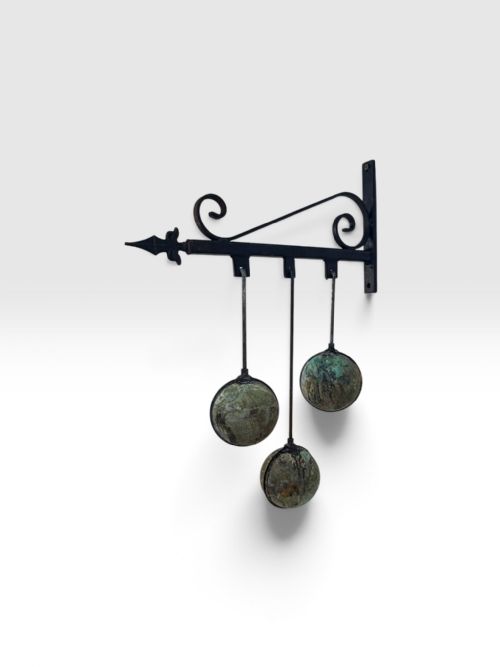
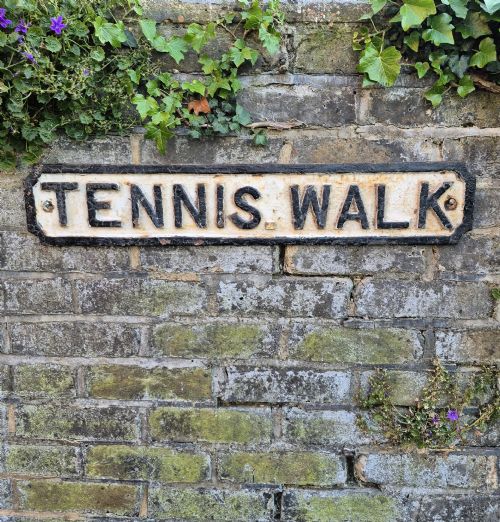
The objects on this page range from Georgian architectural plaques and Victorian street markers to 1920s railway notices and 1930s advertising boards. Forms vary from simple wall signs and door plaques to large trade signs and architectural salvage.
Materials extend beyond standard iron into painted metal, copper, brass, and enamel, often shaped in industrial, Edwardian, Victorian, and Regency styles. Each piece carries the distinct visual language of its original operational context.
Materials and construction
Construction relies heavily on durable metals like cast iron and wrought iron, which were cast or forged to withstand outdoor exposure and heavy daily use. Sheet metal and copper also appear, providing lighter alternatives for specific trade and display applications.
Surface finishes include applied paint, vitreous enamel, and natural patination achieved through decades of exposure. Enamel signage fused glass to metal under high heat for a glossy, weather-resistant finish, while painted cast iron relied on lead-based paints for preservation.
Black Metal Sign Retail Price Guide 2026
Typical asking prices for black metal sign among the pieces listed under this phrase on Sellingantiques today, from the lower quarter to the upper quarter. They describe what is for sale here now, not the wider market.
Keep an eye out for domestic staff whose names survive forever on cast iron bell plates.
Quality and distinction
Quality in these pieces rests in the clarity of the lettering, the crispness of the casting, and the integrity of the original surface finish. Superior examples retain their original painted or enamelled details rather than later repainting.
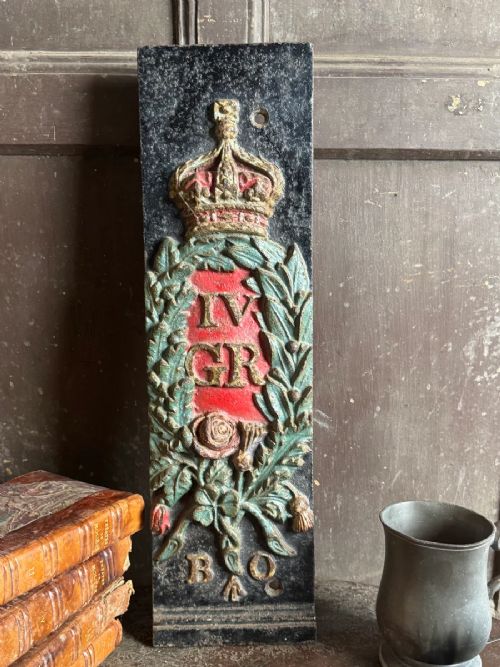
The prestige of the commissioning body or maker elevates certain pieces, such as those produced for the Board of Ordnance or specific railway networks. The depth of relief in cast armorial plaques and the preservation of original brackets also define the upper tier of the range.
The Black Metal Sign Glossary
- Cast iron
- A hard, brittle alloy of iron and carbon that is poured into moulds to create shaped plaques and signs. It forms the backbone of heavy-duty municipal signage.
- Vitreous enamel
- A material made by fusing powdered glass to a metallic substrate by firing, producing a durable and glossy surface. It is commonly found on advertising and warning signs.
- Architectural salvage
- Building elements and attached signage rescued from structures undergoing demolition or remodelling. These pieces retain authentic weathering from their original buildings.
- Armorial plaque
- A metal plate displaying a coat of arms or heraldic symbols, often associated with government bodies or noble estates. They signify official authority or lineage.
- Trade sign
- A marker utilised by merchants, pawnbrokers, and businesses to advertise their services to the public. These objects often take pictorial forms related to the trade.
Black Metal Sign: Frequently Asked Questions
How do I hang a heavy cast iron sign?
Heavy cast iron pieces require secure wall anchorages into brick or studwork to support their substantial weight safely. Utilising appropriate load-bearing brackets and fixings prevents damage to both the wall and the metal.
Ensure the mounting point aligns with the original fixing holes where present to preserve the structural integrity of the sign.
Can these outdoor signs stay outside?
Most of these metal and enamelled pieces were originally designed for exterior conditions and tolerate weather well. Enamel and painted iron resist moisture, though ongoing exposure gradually deepens the natural patina.
Protecting pieces from standing water and severe frost helps maintain their existing surface condition over time.
How do I clean an antique metal sign?
Gentle dusting with a dry or slightly damp cloth removes surface dirt without harming fragile painted or enamelled surfaces. Avoid harsh chemical cleaners or abrasive pads that strip historic finishes and patination.
Applying a light coat of microcrystalline wax can help protect exposed iron from further oxidation.
How are different periods identified?
Periods are distinguished by lettering styles, manufacturing techniques, and the specific material combinations used in the construction. Georgian and Victorian pieces often feature hand-painted lettering or deep sand-cast reliefs, whereas 1930s examples frequently employ vitreous enamel.
Comparing typography and mounting hardware against dated examples helps narrow down the era of production.