





Black Metal Guard
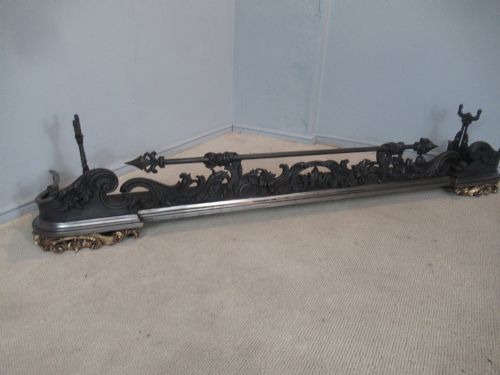
These black metal guard pieces protect rooms from embers, spanning heavy iron screens and nursery fenders from the nineteenth and early twentieth centuries.
Black Metal Guard
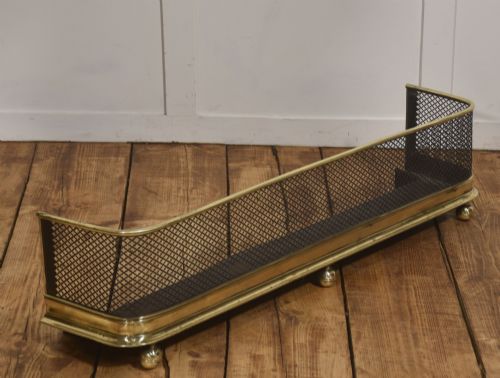
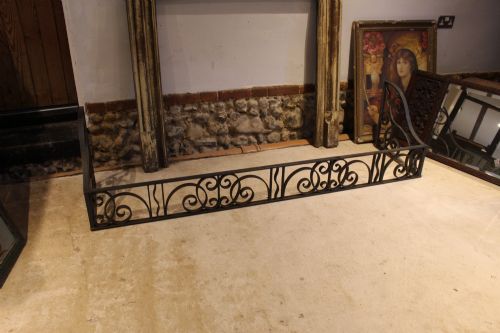
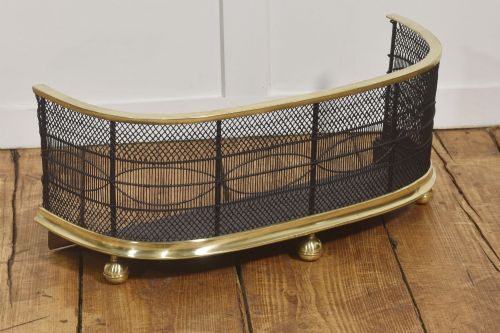
When searching for a black metal guard, buyers encounter hearth furniture primarily designed for domestic safety, alongside occasional military and decorative items. The listings on this page consist largely of nineteenth-century and early twentieth-century iron and steel fire screens, spark guards, and nursery fenders.
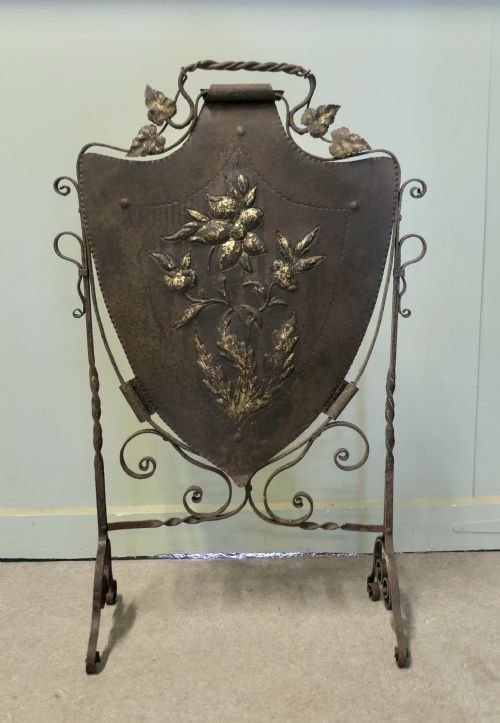
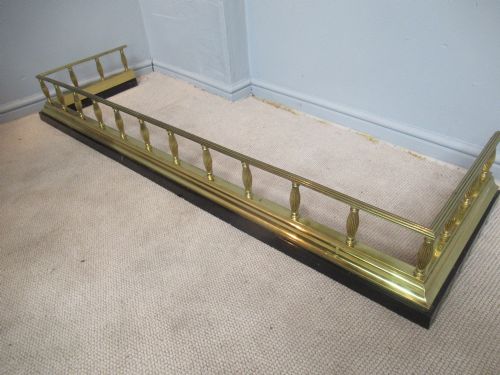
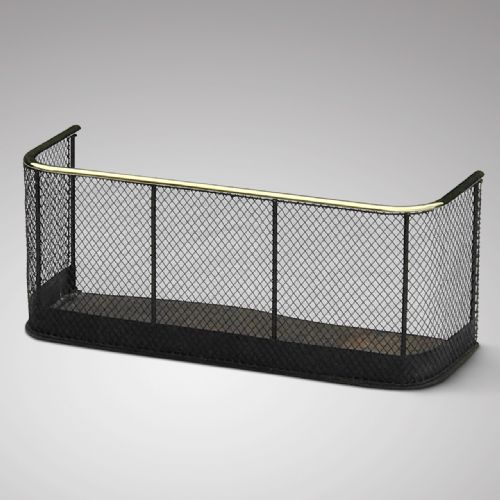
The forms range from heavy wrought iron folding fire screens in Gothic Revival and Arts and Crafts styles to practical wire mesh nursery fenders. Brass trim and top rails frequently accent the dark metal structures, combining utility with period aesthetics.
How they were made
The pieces rely on durable metals such as wrought iron, cast iron, and steel, often combined with wire mesh or woven iron wire to contain sparks. Black finishes, pierced steel plates, and applied brass details give these utilitarian objects their decorative character.
Construction techniques include hand-wrought forging for structural frames and fine mesh weaving for protective panels. Leather and oak components occasionally appear alongside the metalwork in club fenders and associated hearth accessories.
Black Metal Guard Retail Price Guide 2026
Typical asking prices for black metal guard among the pieces listed under this phrase on Sellingantiques today, from the lower quarter to the upper quarter. They describe what is for sale here now, not the wider market.
Listings feature periods from the nineteenth century through the 1930s, utilising wrought iron, cast iron, steel, and brass.
What varies in quality
Quality rests in the weight of the metal, the rigidity of the frame, and the finesse of the joinery or forge work. Heavier wrought iron and thick steel structures offer greater durability and stability than lighter, simpler wire variations.
The integration of decorative elements, such as pierced brass top rails, Gothic shield motifs, and balanced proportions, separates standard utilitarian hearth items from finer period examples.
The Black Metal Guard Glossary
- Nursery fender
- A protective barrier placed around a fireplace to keep children at a safe distance from the flames and hot metal. These often include built-in rails or mesh screens.
- Club fender
- A low, U-shaped hearth seat constructed with a metal frame and padded leather top surfaces. They provide seating directly beside the fire.
- Spark guard
- A fine wire mesh screen designed to catch flying embers from an open fire. They appear as folding panels or static framed screens.
- Gothic Revival
- A nineteenth-century design style drawing inspiration from medieval architecture and ornament. It manifests in pointed arches, heavy ironwork, and shield motifs.
- Wrought iron
- Iron that has been heated and hammered into shape by hand, resulting in a fibrous texture and high durability. It forms the structural basis of many older hearth guards.
Black Metal Guard: Frequently Asked Questions
What is a black metal guard used for?
These items serve primarily as hearth protection, stopping sparks and embers from reaching floor coverings while restricting access to open fires.
Designs range from folding spark guards to large nursery fenders that encircle the entire fireplace opening.
How do I date a metal fire guard?
Dating relies on observing construction methods, material types, and stylistic influences such as Victorian Gothic Revival or Edwardian simplicity.
Hand-wrought ironwork and heavy cast components generally point to nineteenth-century manufacture, while lighter wire mesh and specific stamped details often indicate the early twentieth century.
Are these guards suitable for modern fireplaces?
Many period guards function effectively with contemporary open fires, provided the dimensions match the hearth space.
Buyers should measure both the width of the fireplace opening and the surrounding floor area to ensure a stable fit.
How should I maintain iron hearth furniture?
Maintenance involves gentle cleaning to remove soot and dust without damaging the dark metal finish or applied brass elements.
Keeping the metal dry and occasionally applying a protective wax or oil helps prevent rust on wrought iron and steel surfaces.