


Black Lacquered Japanese Chest
These black lacquered japanese chest pieces combine deep finishes with intricate gold details, offering collectors versatile storage and striking visual presence.
Black Lacquered Japanese Chest
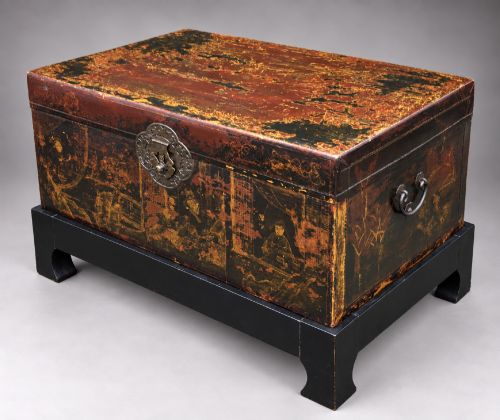
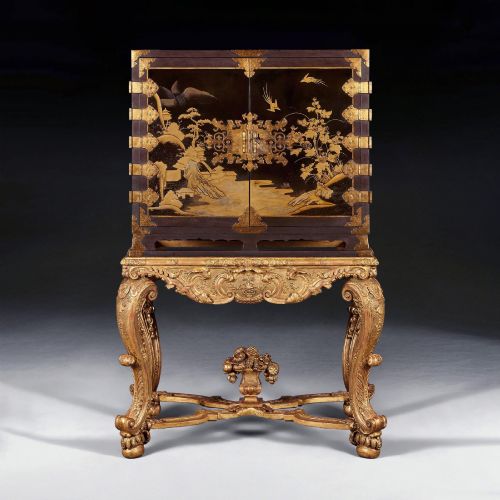
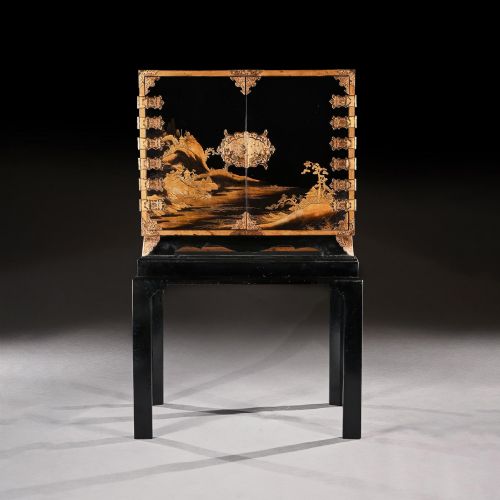
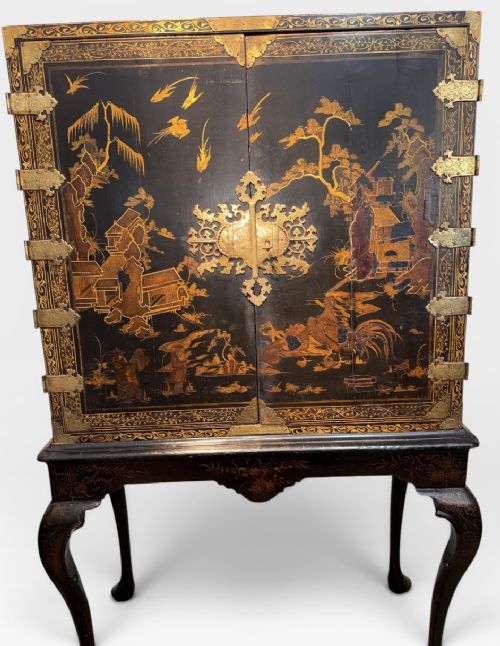
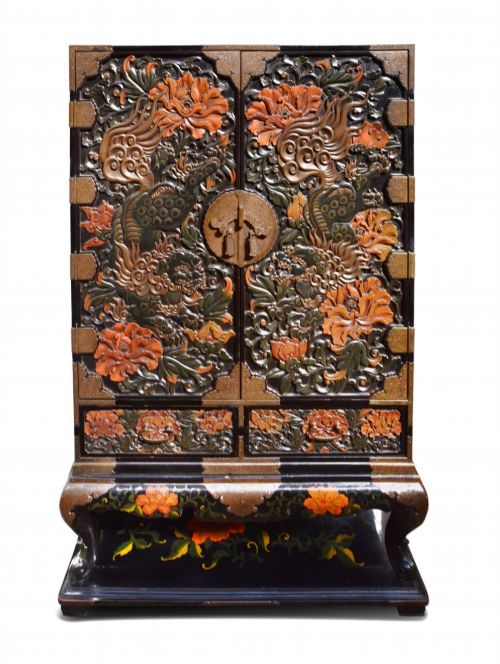
When you search for a black lacquered japanese chest, you encounter a range of forms spanning several centuries, from table cabinets to large cabinets on stands. The pieces available here encompass compact writing boxes and blanket boxes alongside grander seventeenth-century and eighteenth-century examples raised on European giltwood bases. Meiji and Edo periods dominate the origins, reflecting centuries of skilled joinery and decorative lacquer work.
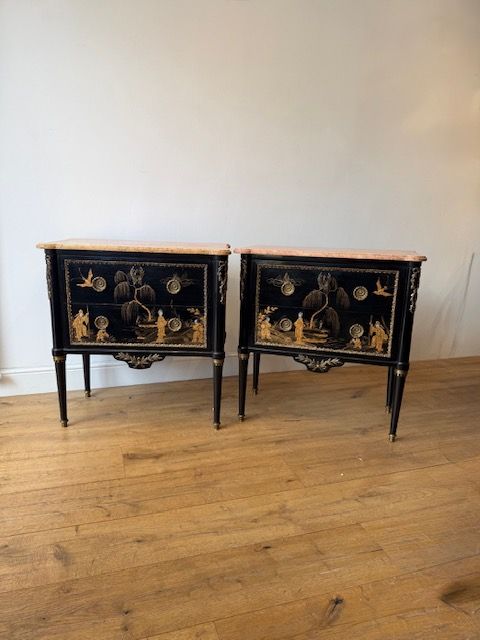
You will regularly find table cabinets and blanket boxes originating from the late nineteenth and early twentieth centuries, including Taisho period examples. Chinoiserie styles and Japanese export pieces also appear, demonstrating the cross-cultural exchange of design ideas between East and West. These versatile items served varied domestic purposes, from storing documents to holding precious objects.
The construction typically involves a wooden carcass finished with urushi lacquer and highlighted with gold leaf or gilt details. Stands vary from carved wooden supports to elaborate French Regence giltwood designs paired with earlier cabinets. Each variation reflects the specific period of production and the intended function within a historic interior.
What varies in quality
The depth and durability of the urushi lacquer finish distinguish finer examples from standard production pieces, showing remarkable resilience over centuries. Finer cabinets display precise application of gold leaf and intricate carving on both the main body and the accompanying stands. The integration between early Japanese chests and their later European giltwood or carved stands also demonstrates the level of care taken in historical adaptation.
Joinery standards remain a key indicator of quality, with tight corners and smoothly operating drawers or doors reflecting expert craftsmanship. The preservation of original brass hardware and the crispness of carved details further separate exceptional historical pieces from simpler decorative items.
Listings feature pieces spanning from the 17th century through the Edo, Meiji, and Taisho periods, utilising wood, lacquer, brass, and gold leaf.
The Black Lacquered Japanese Chest Glossary
- Urushi lacquer
- A natural resin harvested from the lacquer tree, applied in multiple layers to create a durable, glossy protective coating. This traditional finish hardens through exposure to moisture rather than drying.
- Edo period
- The period in Japanese history spanning from 1603 to 1867, characterised by economic growth and strict social order. Pieces from this era often feature refined craftsmanship and classic decorative motifs.
- Meiji period
- The era lasting from 1868 to 1912, marked by the opening of Japan to Western trade and increased export production. Cabinets from this time frequently combine traditional techniques with forms suited to European interiors.
- Kodansu
- A small Japanese table cabinet featuring multiple internal drawers for storing documents or precious items. These portable pieces often showcase fine lacquerwork and delicate metal fittings.
- Regence
- A French decorative style bridging the Louis XIV and Louis XV periods, known for curved lines and giltwood mounts. Cabinets from earlier centuries were frequently placed on these elaborate stands by European collectors.
Black Lacquered Japanese Chest: Frequently Asked Questions
How do I care for a lacquer chest?
Keep these pieces away from direct sunlight and fluctuating heat sources to prevent the lacquer from drying out or cracking. Dust gently with a soft, dry cloth without applying modern polishes or cleaning chemicals.
Maintaining a stable room humidity helps preserve both the wooden carcass and the delicate urushi finish. Handle doors, drawers, and lids with care to protect the original hinges and mounts.
What is a cabinet on stand?
A cabinet on stand consists of a portable chest or box elevated on a dedicated supporting base. This format raised smaller storage pieces to a convenient height for viewing and daily use.
Many examples pair an earlier Japanese chest with a European giltwood or carved wooden stand from a later period. This combination reflects historical taste for displaying exotic items in grand interiors.
Where were table cabinets used?
Table cabinets served as portable storage for letters, writing materials, and small valuables in private rooms. Their compact size allowed owners to place them on desks, tables, or specialised stands.
These versatile pieces functioned in both Japanese domestic settings and European drawing rooms as decorative storage. Their intricate exteriors ensured they remained visible items of furniture rather than hidden storage.