



Black Lacquer Frame
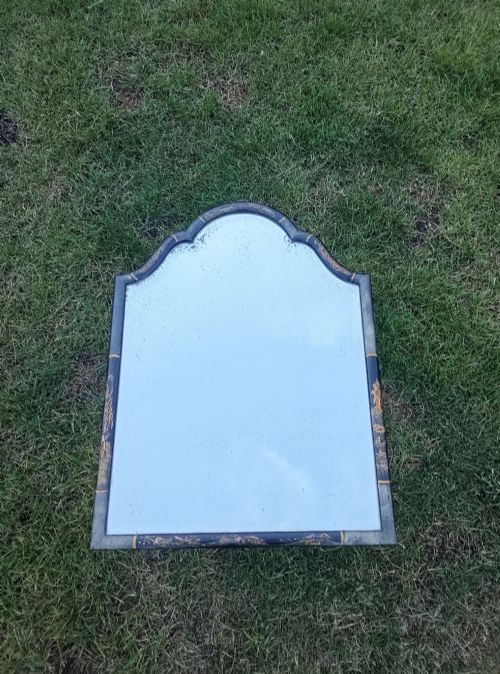
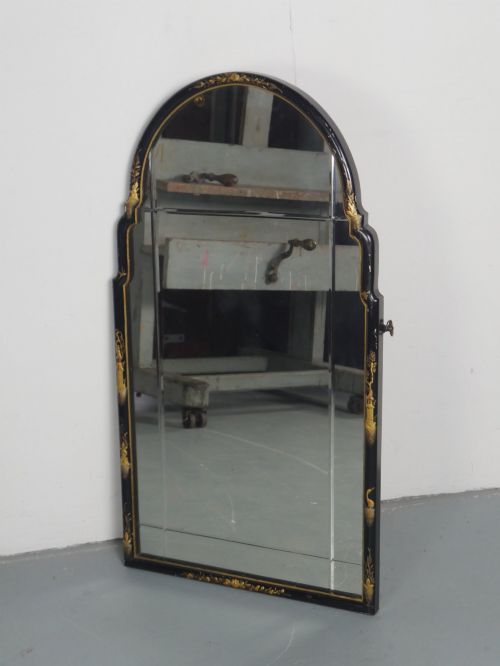
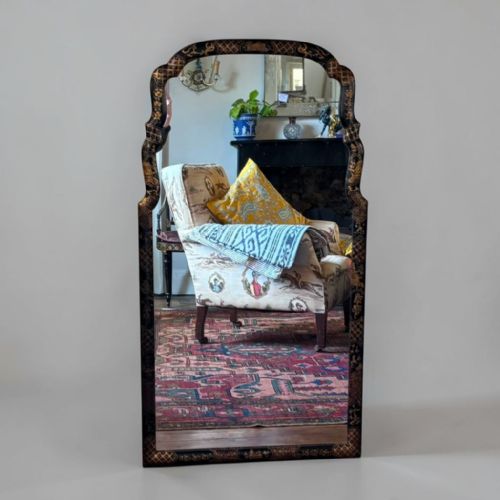
When you want a black lacquer frame, you are looking for dark polished surfaces and decorative detail that bring instant depth to a room.
Black Lacquer Frame
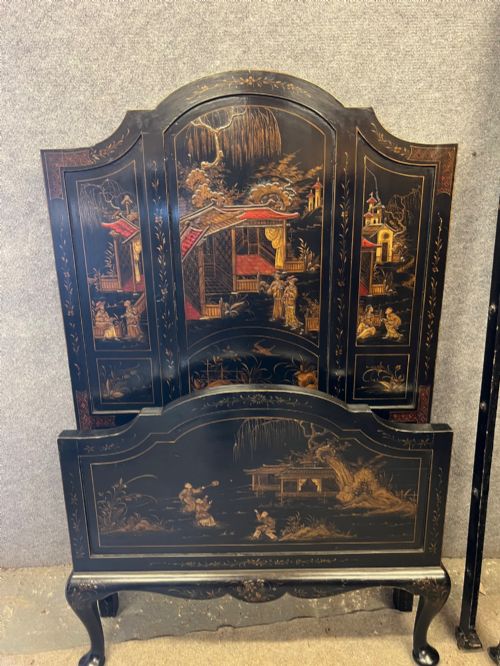
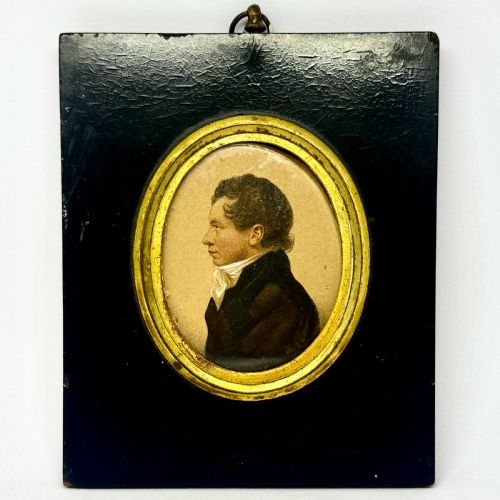
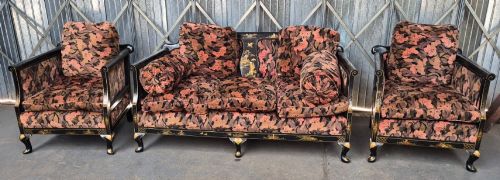
A black lacquer frame surrounds wall mirrors, wall plaques, and portrait miniatures, bringing together dark surfaces and distinct decorative styles. You will frequently find pieces executed in Chinoiserie designs, ranging from Victorian interpretations to Edwardian and later variations.
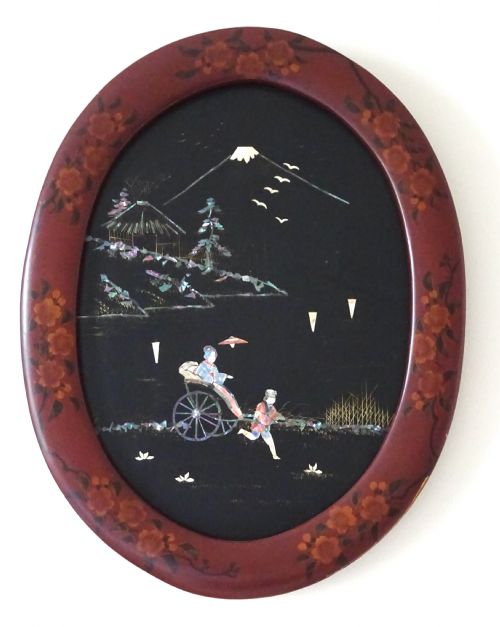
The selection extends from Regency wall pieces to early twentieth-century mirrors and panels inlaid with mother of pearl and abalone. These items span the nineteenth century through the 1930s, offering varied shapes from oval wall mirrors to rectangular frames.
Makers drew on Chinese Qing style, Japanese Meiji and Showa periods, and European adaptations to decorate these wooden surrounds. The resulting objects function as focal points in interiors, whether as standalone wall art or functional dressing table mirrors.
Materials and construction
Craftsmen built these items using wood, ebonised wood, and lacquered wood as the primary structural bases, often applying layers of black lacquer to achieve a smooth, glossy finish. Glass and brass appear where mirrors and hardware are integrated into the design.
Decoration relied heavily on mother of pearl, abalone, and gold leaf inlay to create contrasting pictorial scenes of birds, foliage, and figures. Some examples also incorporate silk textiles or painted papier-mâché plaques within the framing structure.
Black Lacquer Frame Retail Price Guide 2026
Typical asking prices for black lacquer frame among the pieces listed under this phrase on Sellingantiques today, from the lower quarter to the upper quarter. They describe what is for sale here now, not the wider market.
Listings feature items spanning the nineteenth century through the 1930s, utilising lacquer, wood, glass, and mother of pearl.
Distinctions in quality
Quality rests in the depth of the lacquer finish and the precision of the hand-applied inlay work, such as carefully fitted mother of pearl and delicate gold leaf detailing. Superior examples exhibit crisp pictorial motifs that remain clear and well-defined across the surface.
Construction methods also separate finer pieces, visible in the stability of the wooden joinery and the preservation of the original decorative layers without excessive flaking or crude repainting. The integration of high-grade glass and secure brass fittings further indicates superior workmanship.
The Black Lacquer Frame Glossary
- Chinoiserie
- European decorative style reflecting Chinese artistic traditions, characterised by painted or gilt motifs on dark lacquer grounds.
- Ebonised wood
- Timber stained or painted to imitate ebony, providing a dark, uniform surface often used as a base for lacquer work.
- Mother of pearl
- Iridescent internal layer of mollusc shells utilised for flat inlay work in decorative panels and frames.
- Coromandel
- Chinese carved lacquer work where motifs are incised into a dark ground and filled with colours or gold.
- Regency
- British design period spanning the early nineteenth century, known for classical restraint and refined proportions.
Black Lacquer Frame: Frequently Asked Questions
How do I clean a black lacquer frame?
Dust the surface gently with a soft, dry microfibre cloth to prevent scratching the delicate finish. Avoid using water, household detergents, or chemical solvents that can damage the lacquer.
For stubborn marks, use a barely damp cloth and dry the area immediately. Regular gentle maintenance preserves the original sheen without wearing down the decorative details.
Where should I hang a black lacquer mirror?
Position the mirror on a plain wall where its dark finish and metallic or mother-of-pearl details can stand out without visual clutter. Ensure it hangs away from direct sunlight and damp environments to protect the lacquer and wood.
Placing it opposite a light source will help reflect illumination around the room while showcasing the reflective glass and ornate framing.
Are these frames all from Asia?
Many items reflect Asian artistic traditions such as Chinese Qing style or Japanese Meiji and Showa periods. However, a significant portion comprises European interpretations, including British Chinoiserie and French Empire pieces.
European makers frequently adapted Eastern motifs during the nineteenth and early twentieth centuries to suit local interior tastes.
How can I tell a Victorian frame from a later one?
Victorian examples often feature heavier ebonisation and robust construction paired with traditional Chinoiserie motifs. Later Edwardian and 1920s pieces frequently introduce brighter abalone inlay or sleeker oval and rectangular mirror formats.
Examining the backboards, fixings, and overall wear patterns helps clarify the manufacturing era.