



Black Iron Hearth Guard
A black iron hearth guard is a practical barrier for the fireplace, offering protection from sparks while anchoring the room with solid metalwork.
Black Iron Hearth Guard
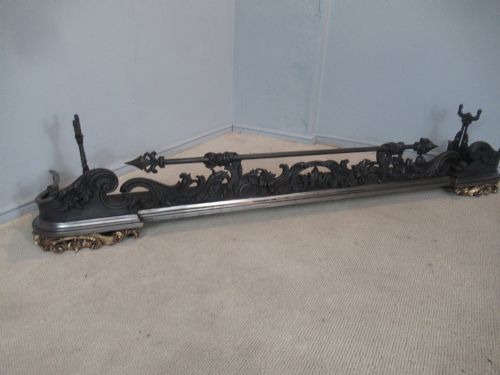
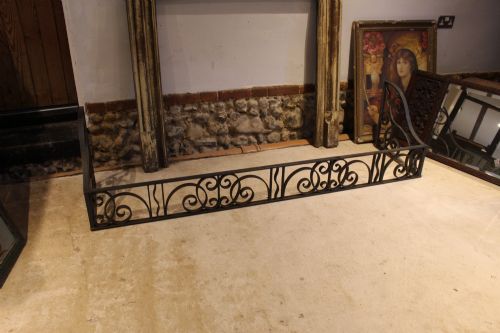
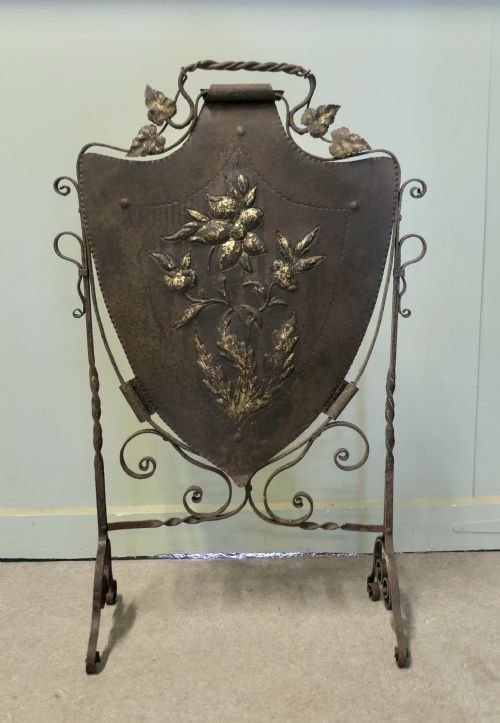
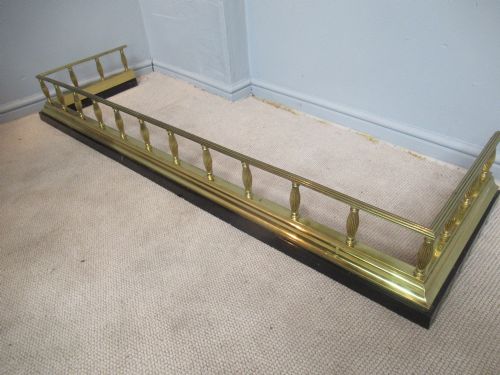
When you search for a black iron hearth guard, you encounter sturdy metal protectors designed for open fireplaces, ranging from nursery guards to fender bases. These pieces span the Georgian, Victorian, and Edwardian periods, appearing in forms such as fire screens, spark guards, and club fenders.
The most common examples on this page are Victorian and Edwardian iterations, particularly wrought iron fire screens and nursery fenders. Many incorporate brass top rails, wire mesh panels, or cast iron framework to balance safety with decorative style.
How they were made
Makers utilised heavy materials like wrought iron, cast iron, and steel mesh to build durable frames that could withstand intense hearth heat. Brass tops, gilt accents, and occasional leather elements were added to soften the industrial nature of the iron.
Techniques varied from hand-forged wrought iron scrollwork in Gothic Revival styles to standard casting methods employed by foundries such as Coalbrookdale. Wire and steel mesh were carefully secured within rigid metal frames to contain sparks effectively.
Black Iron Hearth Guard Retail Price Guide 2026
Typical asking prices for black iron hearth guard among the pieces listed under this phrase on Sellingantiques today, from the lower quarter to the upper quarter. They describe what is for sale here now, not the wider market.
Current listings feature iron hearth guards from the Georgian, Victorian, and Edwardian eras, incorporating wrought iron, cast iron, and brass.
What varies in quality
Quality rests upon the weight of the metal and the precision of the forging or casting. Heavy wrought iron screens and substantial cast iron fenders demonstrate superior structural integrity compared to lighter, purely decorative alternatives.
Artisanal detail also dictates worth, seen in the clean lines of Arts and Crafts designs or intricate Gothic Revival motifs. Integrated elements like fitted brass rails and robust mesh panels elevate the overall execution.
Coalbrookdale
The Black Iron Hearth Guard Glossary
- Wrought iron
- Iron that has been heated and hammered into shape by hand. This process creates a fibrous structure that allows for strong, resilient hearth furniture.
- Cast iron
- Iron poured into a mould to create solid forms and decorative patterns. It provides the heavy base structure seen in many period fenders.
- Nursery fender
- A tall protective guard designed to keep children and pets at a safe distance from the fire. These often feature an extended mesh barrier.
- Club fender
- A low, U-shaped hearth fender featuring upholstered seats on either side. They originate from the late nineteenth century.
- Spark guard
- A fine mesh screen placed directly in front of the fireplace opening to catch flying embers. They frequently fold or incorporate sturdy iron frames.
Black Iron Hearth Guard: Frequently Asked Questions
What is a black iron hearth guard?
A black iron hearth guard is a protective metal barrier placed in front of an open fire to catch sparks and prevent accidental contact with the flames. They appear in various forms, including folding screens, nursery guards, and low floor fenders.
These pieces combine functional ironwork with decorative styles spanning the Georgian, Victorian, and Edwardian eras. Many include brass details, wire mesh, or built-in clothes rails.
How do I style a hearth guard?
Integrating a hearth guard into a room depends on the existing fireplace surround and overall interior scheme. Heavy Gothic Revival and Arts and Crafts iron screens naturally complement period hearths with stone or brick surrounds.
For daily use, ensure the guard allows proper access to fire irons and coal scuttles while maintaining a secure distance from the heat source. Taller nursery versions suit larger fireplaces, whereas low fenders keep the sightline open.
How do I identify the period?
Dating a hearth guard involves examining the manufacturing techniques, materials, and stylistic motifs present in the iron or brass work. Georgian and early nineteenth-century pieces often display heavy cast iron construction with classical or restrained forms.
Later Victorian and Edwardian examples frequently embrace Gothic Revival or Arts and Crafts aesthetics, featuring hand-forged wrought iron, wire mesh, and contrasting brass top rails. Makers' marks or foundry stamps can sometimes confirm a specific origin.
Are these guards safe for modern fires?
Period hearth guards provide a traditional physical barrier against sparks, logs, and embers when using an open hearth. The sturdy iron and steel mesh construction handles radiant heat effectively.
When using antique guards with modern open fires, check that the mesh and frame remain stable and capable of containing stray sparks. Proper placement ensures safety without compromising the historical character of the piece.