

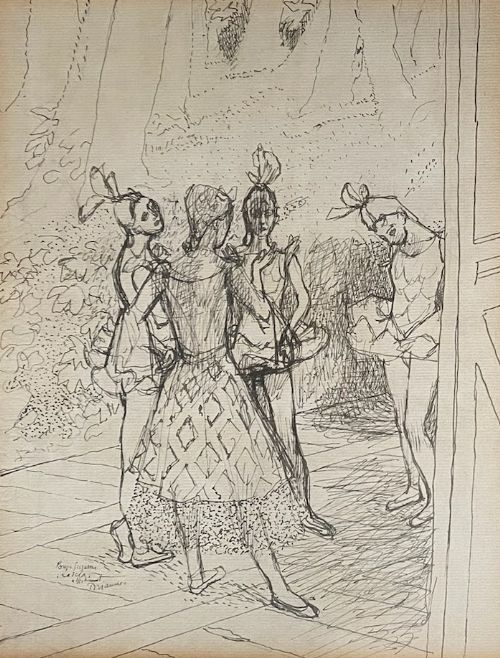


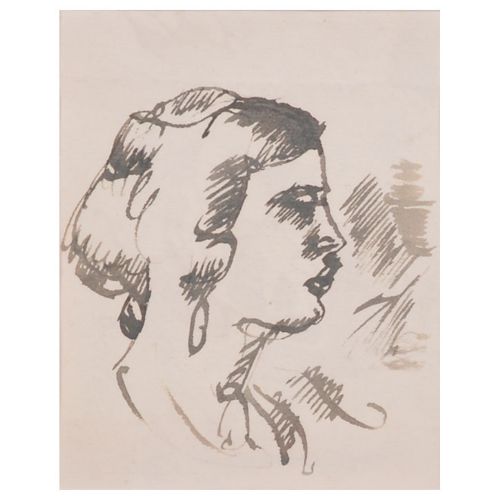


Black Ink Sketch
A black ink sketch distils an artist's immediate observation onto paper through pure line and tone.
Black Ink Sketch
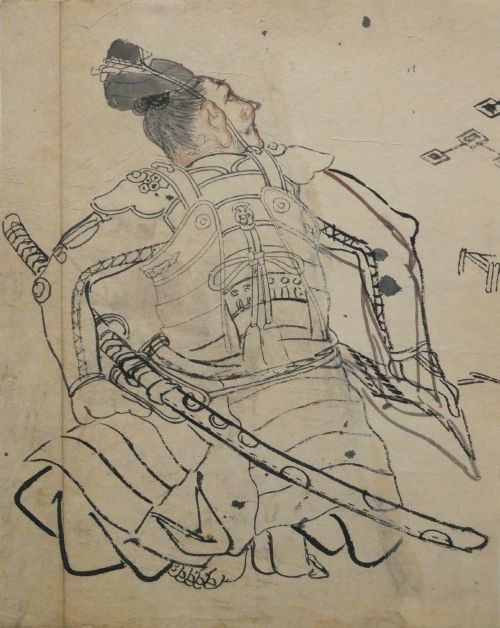
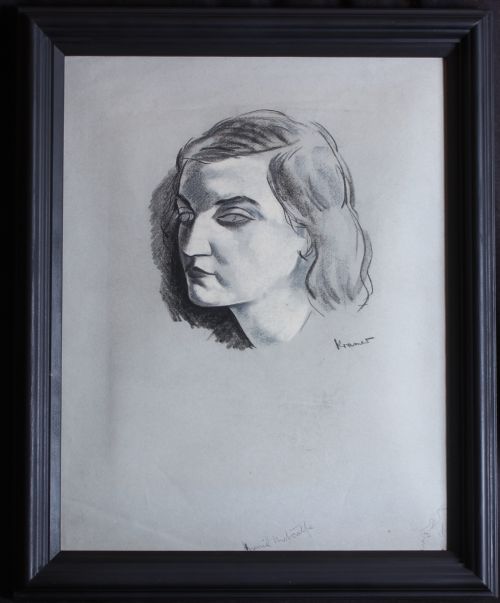
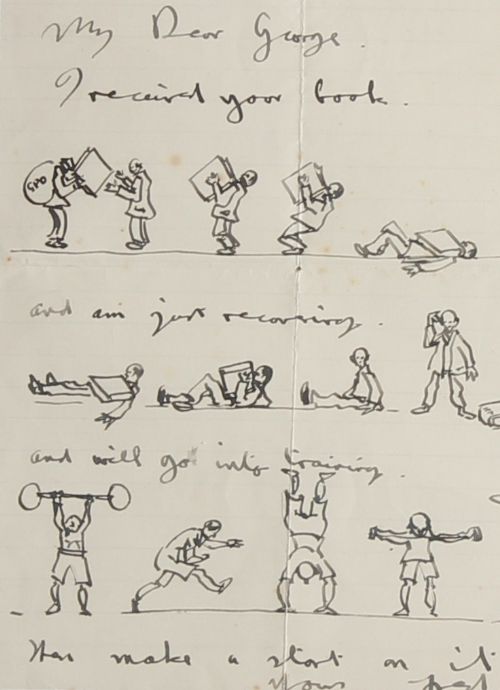
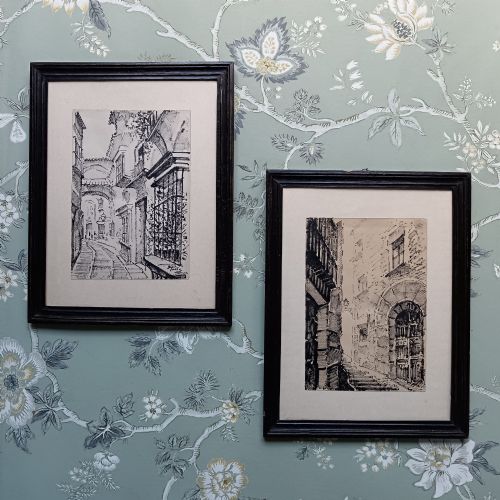
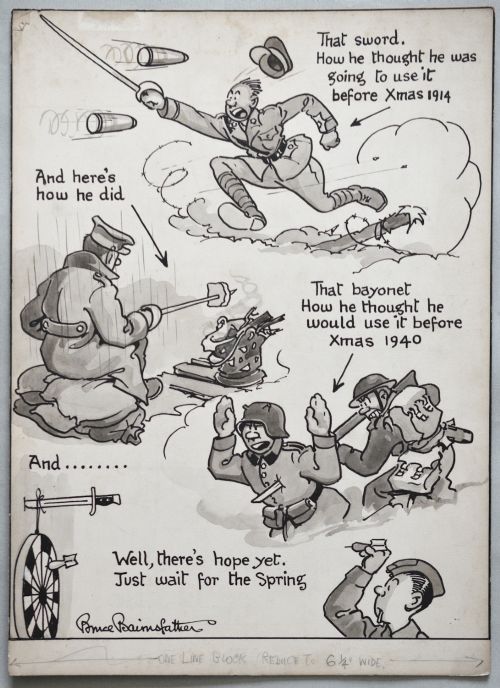
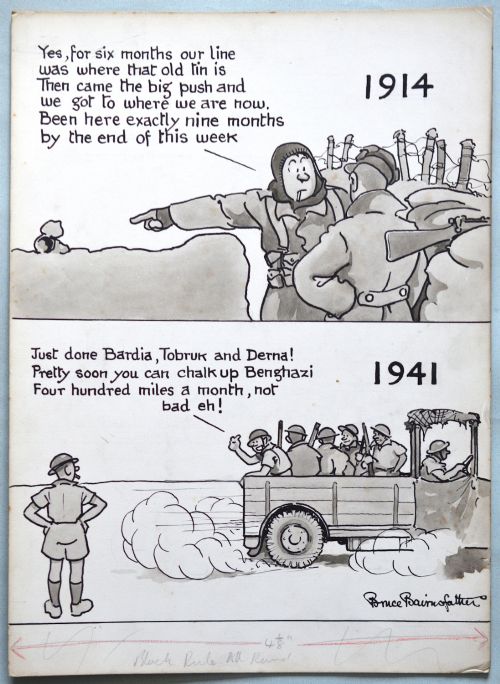
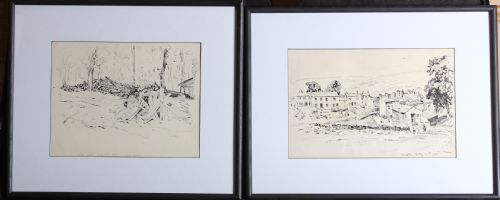
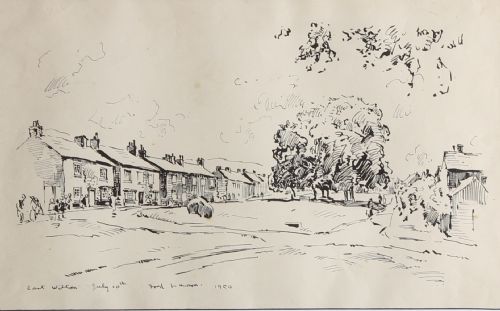
A black ink sketch captures subjects ranging from portraits and architectural studies to landscapes and satirical illustrations. These original works on paper span from the eighteenth century through to the mid-twentieth century, encompassing periods such as Edwardian, Victorian, and modernist movements.
The most common examples encountered here are twentieth-century British works, particularly landscapes and character studies executed on paper sheets. Many of these pieces combine ink with watercolour, wash, or pencil, framed to preserve their delicate media.
Materials and construction
Artists utilise black ink applied with pens or brushes onto paper supports, occasionally working on wood panels as seen in earlier eighteenth-century examples. The primary drawing medium is frequently augmented with charcoal, wash, or watercolour to build tonal depth and shadow.
Framed works typically employ glass protection and wooden surrounds to shield the fragile paper and water-based pigments from environmental damage.
Black Ink Sketch Retail Price Guide 2026
Typical asking prices for black ink sketch among the pieces listed under this phrase on Sellingantiques today, from the lower quarter to the upper quarter. They describe what is for sale here now, not the wider market.
Listings feature works executed on paper and wood supports using ink, charcoal, wash, watercolour, and pencil across the 18th, 19th, and 20th centuries.
Evaluating quality in works on paper
Quality rests upon the sureness of the draughtsmanship and the expressive economy of the line. A skilled hand conveys form, movement, and atmosphere with minimal hesitation, whereas lesser examples rely on laboured or repetitive hatching.
The condition of the paper surface and the preservation of the ink pigment determine the longevity and visual impact of the piece. Works that retain crisp contrast without excessive toning or damp staining stand at the upper end of the scale.
Jacob Kramer·Fred Lawson·Bruce Bairnsfather·Maurice Brianchon·Lucien Freud·Richard Leech·John Duncan Fergusson
The Black Ink Sketch Glossary
- Wash
- A diluted application of ink or watercolour used to create transparent layers of tone and shadow behind linear marks. It provides depth and atmosphere in monochrome compositions.
- Gothic Revival
- An architectural and artistic style originating in the mid-eighteenth century and extending through the nineteenth century, characterised by medieval forms, pointed arches, and ecclesiastical motifs. Pieces from this movement often record historic stonework and monuments.
- Modernist
- An early to mid-twentieth-century aesthetic movement focused on abstraction, simplified forms, and a departure from strict academic realism. Works in this vein prioritise expressive line over literal representation.
- Support
- The physical material upon which the drawing is executed, most commonly paper in these selections, though occasionally wood panel.
- Draughtsmanship
- The skill and proficiency of an artist in drawing lines, perspectives, and human or architectural proportions. High technical ability is evident in the precision and confidence of the ink strokes.
Black Ink Sketch: Frequently Asked Questions
What is a black ink sketch?
A black ink sketch is an original drawing created primarily with dark ink line work upon paper, often combined with wash, watercolour, or pencil.
These works range from rapid compositional studies and landscape records to finished illustrative and portrait pieces.
How should I frame and display these drawings?
Works on paper require conservation framing under glass to protect the delicate media from dust, handling, and atmospheric moisture.
Keep framed drawings away from direct sunlight to prevent the ink and any accompanying watercolour pigments from fading over time.
How do I date a pen and ink drawing?
Dating relies on stylistic markers, costume details, architectural subjects, and artist signatures or inscriptions recorded on the paper.
Twentieth-century modernist works display different linear rhythms compared to eighteenth-century picturesque scenes or nineteenth-century architectural studies.
Are these works original or printed reproductions?
The pieces listed are original hand-drawn works executed directly onto the paper or panel by the artist's hand.
Close inspection under magnification reveals the pooling of ink, pen pressure, and underlying pencil guidelines absent in mechanical reproductions.