




Black Ink Art Sketch
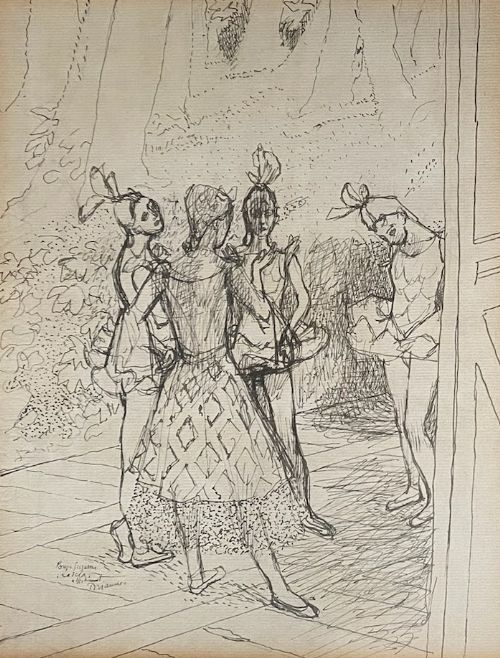
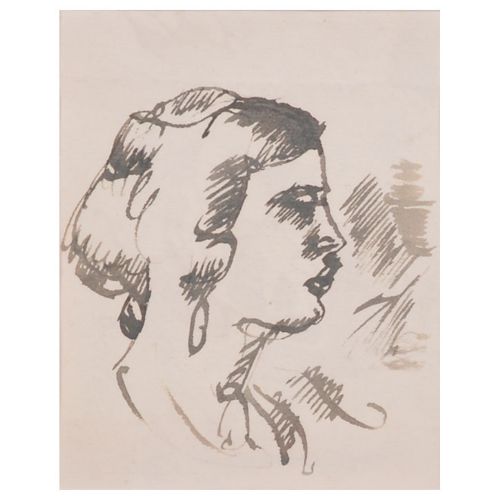
A black ink art sketch brings line, wash and narrative together on paper from the eighteenth century onwards.
Black Ink Art Sketch
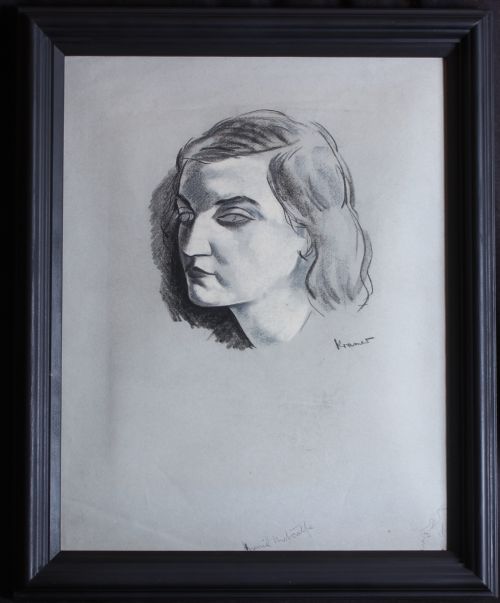
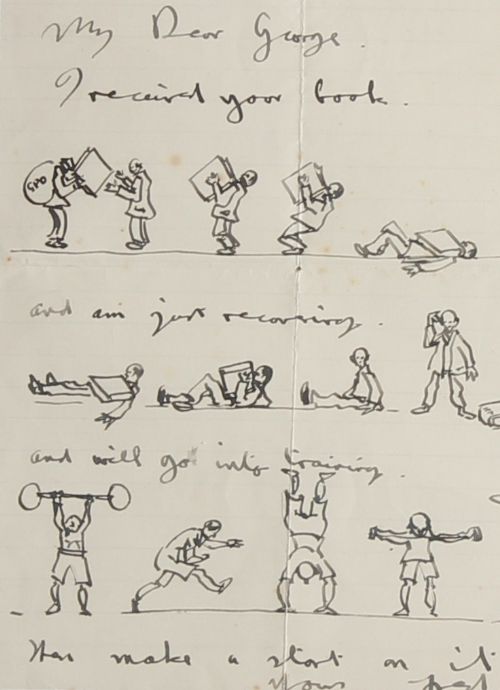
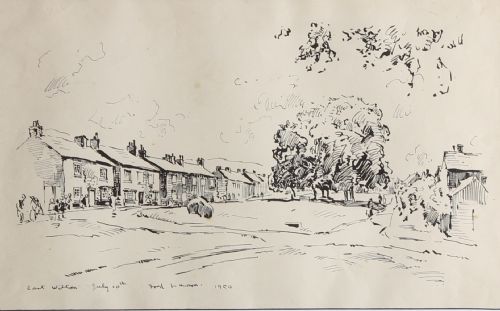
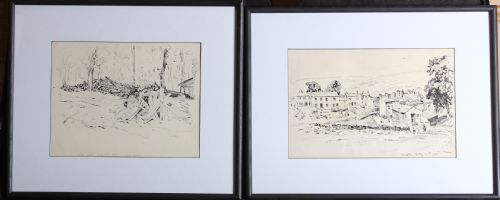
A black ink art sketch captures rapid observation and careful study across the nineteenth and twentieth centuries. You encounter works on paper ranging from architectural elevations and satirical illustrations to landscape watercolours and portrait studies.
The selection on this page centres on original drawings executed on paper or panel, spanning periods from Georgian country scenes to mid-century modern British works. Framed wall art and original illustrations form the core of these listings.
How they were made
Makers laid down dark ink using pens and fine nibs on paper or wooden panel, frequently combining pencil underdrawing with black ink lines. Washes of grey or brown pigment added tone, while occasional touches of watercolour introduced selective colour to the composition.
Support materials include aged paper and prepared wood panels, housed behind glass within timber frames. The application relies entirely on direct draughtsmanship, capturing movement and architecture through linear precision.
Black Ink Art Sketch Retail Price Guide 2026
Typical asking prices for black ink art sketch among the pieces listed under this phrase on Sellingantiques today, from the lower quarter to the upper quarter. They describe what is for sale here now, not the wider market.
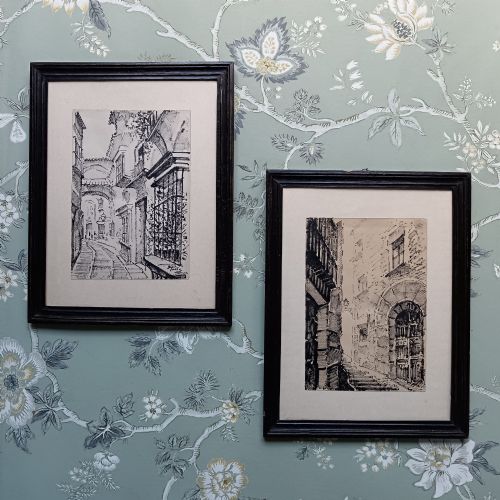
An architectural drawing of a royal palace was executed by H.H. Wyatt at the youthful age of seventeen.
What varies in quality
Quality rests upon the sureness of the draughtsman's line and the economy of mark-making across the surface. A confident pen stroke and balanced composition separate hurried student exercises from finished works by established hands.
The preservation of the paper support and the clarity of the ink lines determine the visual impact of each drawing. Fading, heavy discolouration or damp damage diminish the directness of the original sketch.
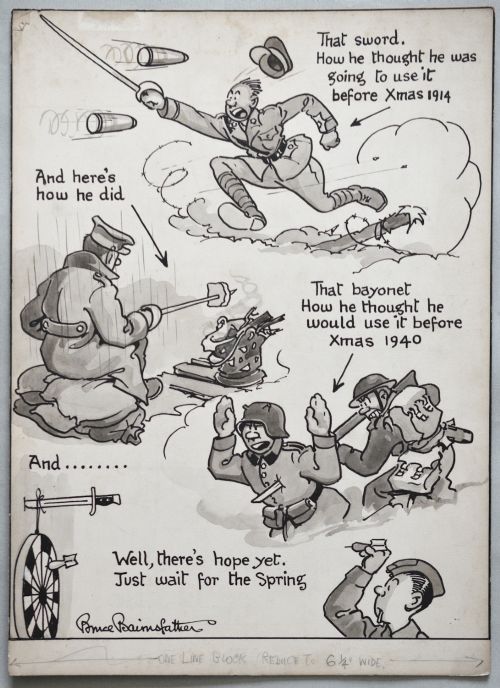
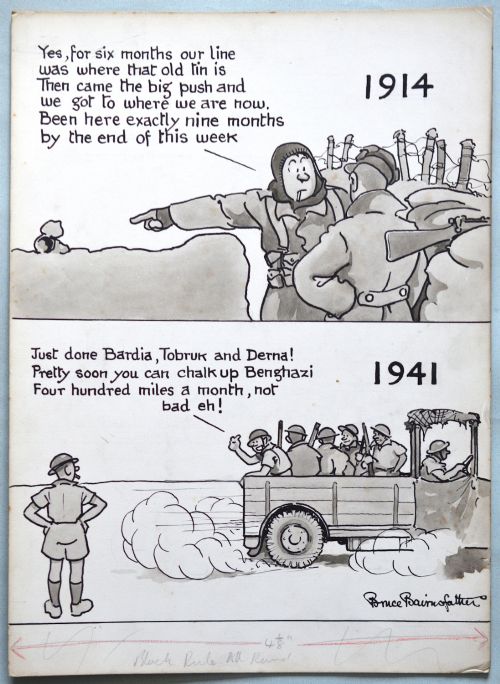
Fred Lawson·Bruce Bairnsfather·Maurice Brianchon·H H Wyatt·Richard Leech·Lucien Freud·John Duncan Fergusson
The Black Ink Art Sketch Glossary
- Wash
- A diluted layer of ink or watercolour applied with a brush to create tonal depth and shadow behind linear work. It provides atmospheric shading in architectural and landscape drawings.
- Panel
- A flat wooden support used as an alternative to paper for finished drawings. It offers a rigid base that requires specific priming before ink application.
- Gothic Revival
- An architectural and artistic style drawing inspiration from medieval forms, prevalent in nineteenth-century studies of cathedrals and historic buildings.
- Mid-Century Modern
- A design movement spanning the middle decades of the twentieth century, characterised by simplified forms and modernist approaches to figure and line.
- Original Illustration
- A bespoke drawing created specifically for publication, narrative context or satirical commentary rather than as a standalone studio exercise.
Black Ink Art Sketch: Frequently Asked Questions
How do I care for ink drawings on paper?
Keep works on paper away from direct sunlight to prevent the ink and wash from fading over time. Ensure framing uses acid-free materials to protect the paper support from chemical deterioration.
Maintain stable indoor humidity levels to avoid warping the paper or encouraging mould growth within the frame. Hang pieces on interior walls away from direct heat sources.
What is the difference between an etching and an ink sketch?
An ink sketch is a unique, direct drawing made by hand using a pen or brush on paper. Every line is applied by the artist in a single instance.
An etching is a print made by scratching a design through a protective ground on a metal plate, biting it with acid, and pressing it onto paper. This allows for multiple identical impressions.
How can I tell a preparatory study from a finished drawing?
Preparatory studies often display visible grid lines, compositional notes or hasty corrections where the artist worked out proportions. They concentrate on specific elements like hands, drapery or perspective.
Finished drawings present a complete narrative or balanced composition intended to stand alone as a work of art. They exhibit greater finish in the shading and final details.
Why do some ink drawings show brownish discoloration?
Older papers frequently contain lignin and iron impurities that oxidise and turn brown when exposed to light and air over decades. This ageing process is commonly known as foxing or toning.
Acidic backing boards used in older framing methods also transfer yellowing and brown stains into the paper support. Professional conservation can halt this process without removing the historical character of the sheet.