


Black Hand Painted Sign
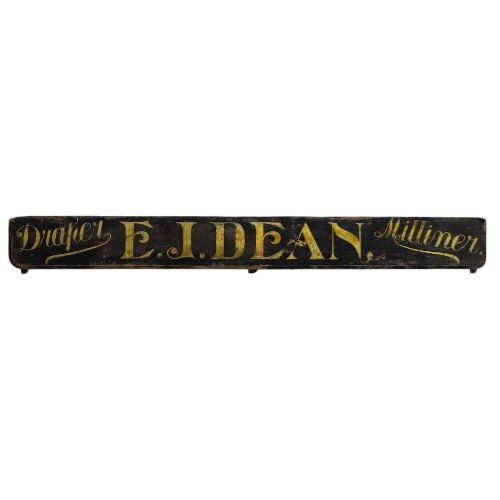
A black hand painted sign carries the character of early commerce, blending utilitarian lettering with folk art charm.
Black Hand Painted Sign
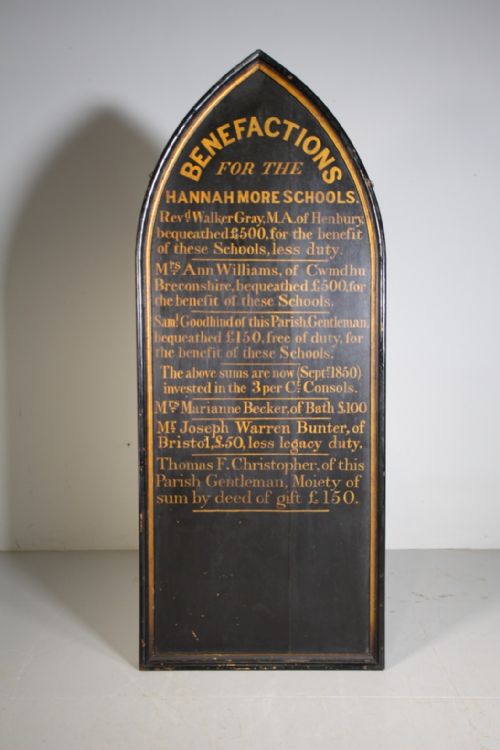
A black hand painted sign represents commercial, domestic, and trade history through enduring painted lettering and weathered surfaces. When searching for a black hand painted sign, collectors encounter various utilitarian forms designed to communicate a message or advertise a trade.
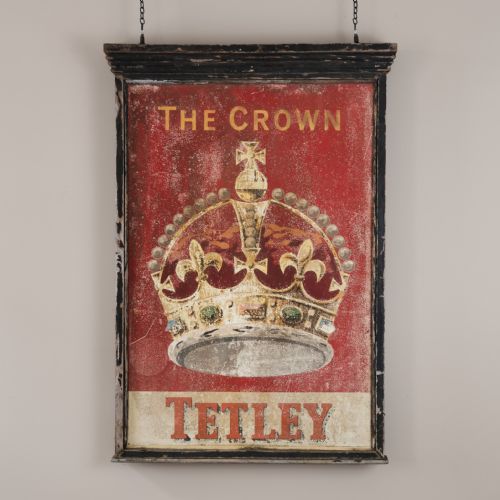
The pieces on this page span several periods, including Victorian, Edwardian, and the 1920s, alongside later twentieth-century panels. Common formats range from double-sided pub signs and trade boards to shop signs in pine and reverse glass painted pieces.
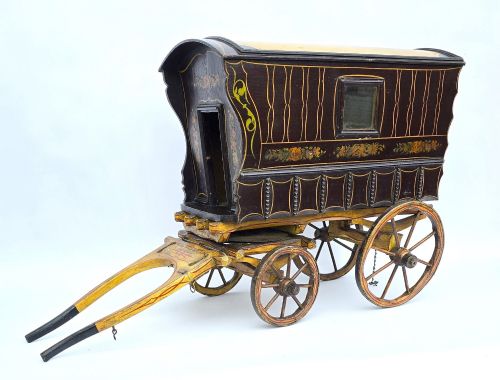
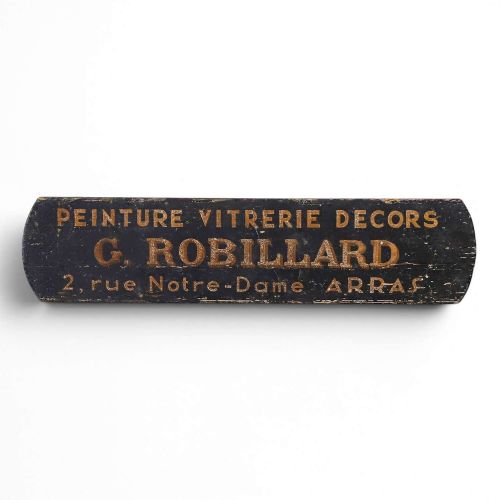
Origins vary across British traditions, Welsh borders, and continental examples like French Belle Époque trade signs. Wall signs and panels dominate the selection, though occasional domestic items like painted pine chests and small models appear.
Materials and Construction
Makers relied primarily on timber, pine, and wood substrates to build these boards and panels, applying ground layers before sign-writing the text. Paint provides the dark backdrop and the contrasting lettering, sometimes augmented with gold leaf highlights.
Alternative substrates include metal, glass for reverse glass painted pieces, and papier mâché for smaller decorative boxes. Construction methods range from heavy structural framing for outdoor pub signs to simple joined timber boards for interior shop displays.
The listings show painted wooden panels and trade signs predominantly from the Victorian era up to the 1930s.
Evaluating the Range
Quality rests upon the confidence of the brushwork and the clarity of the original sign-writing. Skilled lettering with balanced proportions separates utilitarian boards from finer examples of folk art and trade advertising.
The integrity of the surface finish matters deeply, distinguishing pieces retaining their original painted schemes from those with later interventions. The character of the timber, whether pine or heavier wood, and the preservation of authentic wear contribute to the standing of each piece.
R.D. Roberts
The Black Hand Painted Sign Glossary
- Sign-writing
- The traditional craft of painting letters by hand for commercial or decorative purposes. Skilled practitioners used specialised brushes to achieve precise serifs and consistent weights.
- Reverse glass painting
- A technique where the design is applied directly to the back of a glass panel so the front presents a glossy, protected finish. This method was often chosen for interior trade signs.
- Gold leaf
- Beat gold applied to surfaces to create metallic lettering or highlights. It catches ambient light and provides high contrast against dark painted backgrounds.
- Trade sign
- A board, hanging panel, or sculpture used by a merchant, artisan, or innkeeper to identify their premises. These items served a purely functional purpose before entering the collector market.
- Folk art
- Utilitarian objects made by self-taught or non-professional makers that embody regional traditions. They are valued for their directness and individual decorative expression.
Black Hand Painted Sign: Frequently Asked Questions
What were black hand painted signs used for?
These signs served a practical function, identifying businesses, public houses, and municipal services to the public. Tradespeople hung them outside shops or mounted them on interior walls to guide customers.
Over time, many transitioned from commercial utilities to decorative wall panels, retaining the names of past trades and institutions.
How do I date a painted wooden sign?
Dating relies on examining the substrate, typeface styles, and the composition of the paint layers. Earlier examples often feature hand-mixed pigments on pine boards with characteristic weathering and period lettering.
Comparing the object's construction details and stylistic cues against known periods helps narrow down its age.
Are these signs suitable for outdoor display?
Most antique signs were made for exterior use, but centuries of exposure leave surviving examples fragile. Modern outdoor conditions can accelerate the degradation of historic timber and flaking paint.
Displaying them indoors protects the original painted surfaces from moisture and temperature fluctuations.
What is the difference between a trade sign and a pub sign?
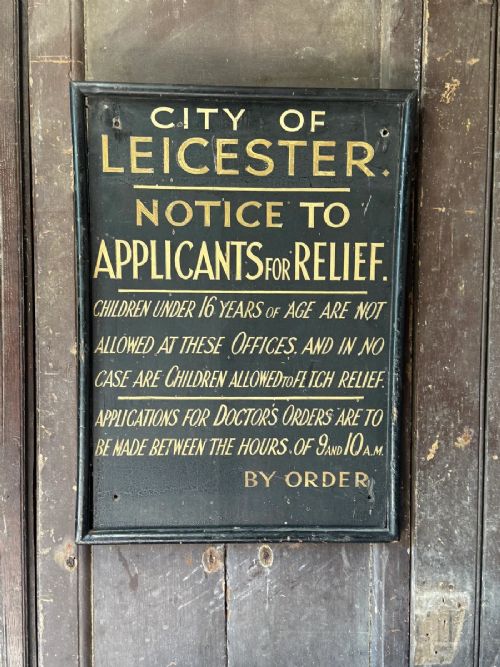
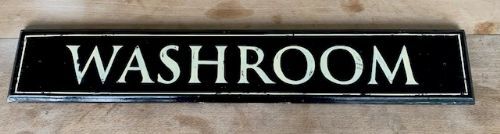
Trade signs advertised specific merchants, milliners, or services such as poor relief and washrooms. Pub signs were typically larger, heavier structures designed to hang prominently outside drinking establishments.
Both categories rely on bold lettering and painted imagery to communicate their message from a distance.
How should I clean a painted antique sign?
Dusting gently with a dry, soft cloth is usually sufficient for maintenance. Moisture can destabilise historic paint layers and cause lifting.
Avoid chemical cleaners or abrasive agents that might strip away the original hand-painted surface.