




Black Glass Perfume Bottle
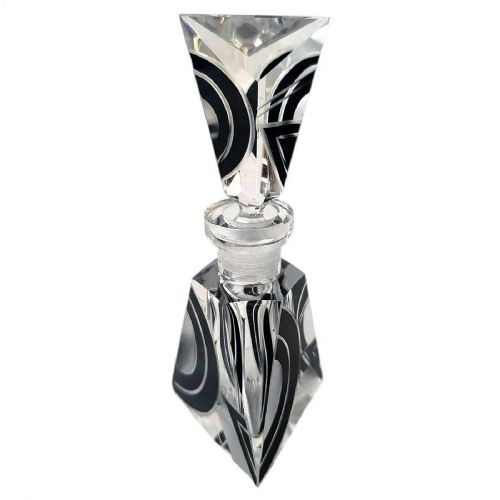
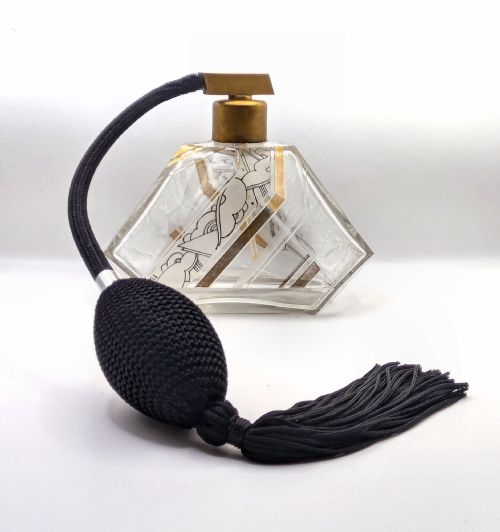
These black glass perfume bottle examples combine striking dark glass with period enamelling and cut crystal to anchor a dressing table with unmistakable geometry.
Black Glass Perfume Bottle
A black glass perfume bottle search brings together vanity items spanning the Victorian era through to the 1930s. Buyers examine dressing table accessories designed to hold scent securely while adding a dark, reflective accent to a room.
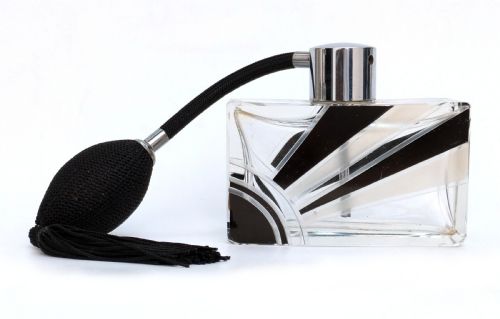
The dominant pieces meeting this description date from the 1930s, heavily representing Art Deco design from the Czech Republic. These items frequently feature geometric cutting, matching globes, or integrated atomiser hardware.
Alongside standard stoppered bottles, the category encompasses snuff bottles from the late nineteenth century and elaborate atomisers mounted in chrome, brass, and silver.
What varies in quality
The sophistication of the glass cutting separates standard items from exceptional examples, with deeper bevels and crisper facets demonstrating superior craftsmanship. Precision in the geometric layout determines the visual impact of pieces from the 1930s.
The integrity and preservation of supplementary materials such as enamel, silver mounts, and functional atomiser hardware influence overall refinement. Intricate metal fittings and clean, undisturbed enamel decoration elevate the standing of a vanity bottle.
Black Glass Perfume Bottle Retail Price Guide 2026
Typical asking prices for black glass perfume bottle among the pieces listed under this phrase on Sellingantiques today, from the lower quarter to the upper quarter. They describe what is for sale here now, not the wider market.
Venetian glassmakers occasionally trapped glittering aventurine dust inside dark glass to mimic a starry night sky inside a bottle.
Karl Palda·Rene Lalique
The Black Glass Perfume Bottle Glossary
- Art Deco
- A design style spanning the 1920s and 1930s characterised by streamlined geometric shapes, stylised motifs, and modern industrial materials. It dominates the aesthetic of twentieth-century vanity items.
- Atomiser
- A mechanical spray fitting attached to a perfume bottle, usually comprising a bulb, a metal collar, and a siphon tube. These mechanisms allowed users to mist scent evenly.
- Aventurine
- A form of glass containing suspended mineral inclusions that create a glittering metallic sparkle within the body. It appears in nineteenth-century decorative pieces.
- Enamel
- A durable coloured glassy substance fused to metal or glass surfaces through high-temperature firing. It provides vibrant decorative detail on period vanity bottles.
- Snuff bottle
- A small container originally intended to hold powdered tobacco, featuring a tight-fitting stopper and spoon. These portable vessels often mirror the dark glass techniques found in perfume containers.
Black Glass Perfume Bottle: Frequently Asked Questions
How do I date a black glass perfume bottle?
Dating relies on identifying manufacturing styles, such as Victorian ornamentation versus 1930s Art Deco geometry. Materials like chrome and specific enamel patterns also indicate particular decades.
Maker signatures or country origins stamped on the base provide further chronological clues. Pieces from the Czech Republic typically align with the 1930s.
How were atomiser bottles used?
Atomiser bottles held liquid perfume and utilised a squeeze bulb attached to a metal collar to produce a fine mist. Users pressed the bulb to release fragrance directly onto skin or clothing.
The mechanical hardware required careful handling to prevent leaks and blockages. Many surviving examples retain their original metal collars and spray tubes.
How do I display these bottles?
These bottles sit well on dressing tables, mirrored trays, or glass-fronted cabinets where light can strike the cut surfaces. Grouping matching sets creates a strong visual centrepiece.
Keeping them away from direct sunlight protects any delicate enamel work. Stable, flat surfaces prevent accidental tipping of top-heavy atomisers.