
Black Gilt Framed Art
Black gilt framed art brings together centuries of portraiture, prints and works on paper set within dark and gilded borders.
Black Gilt Framed Art
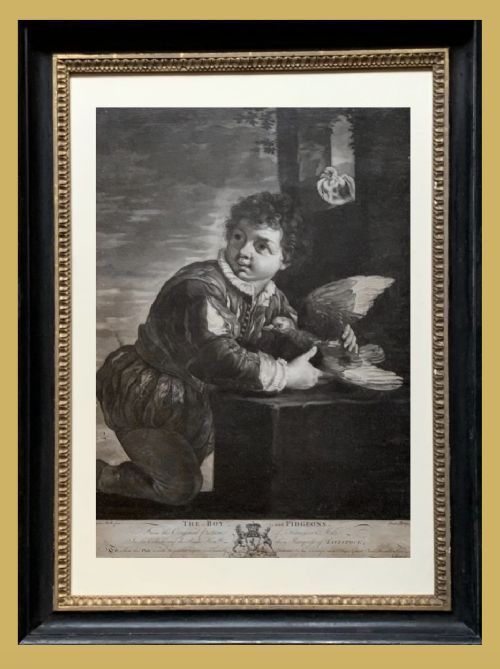
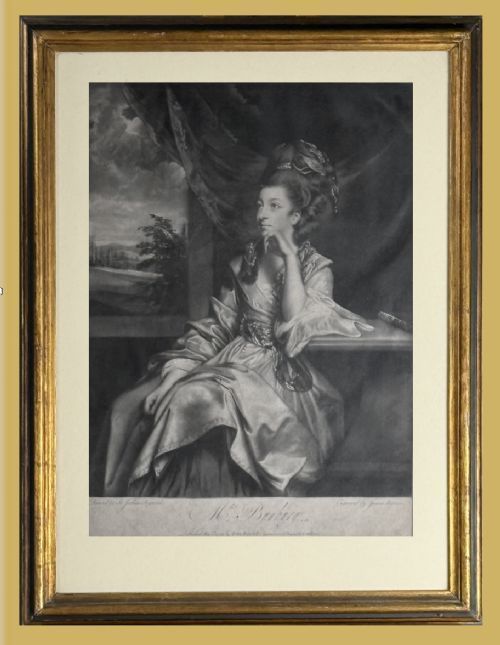
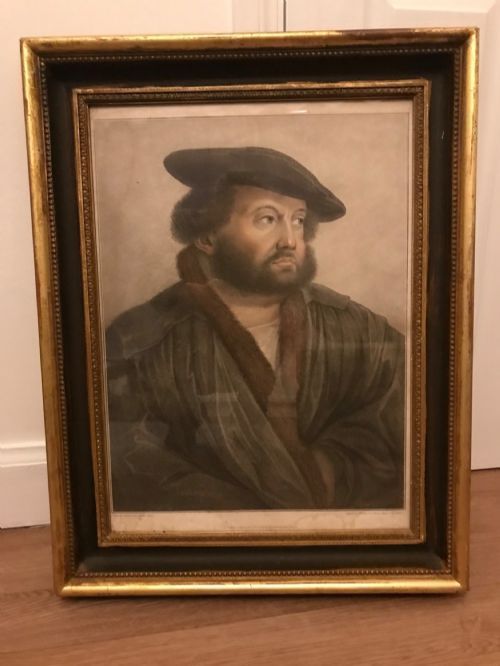
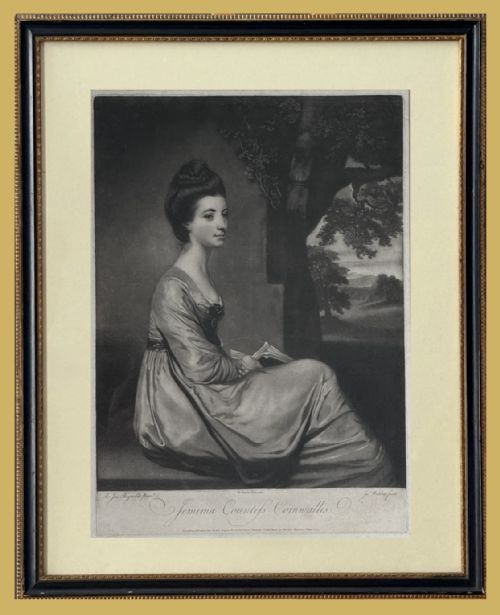
When searching for black gilt framed art, collectors encounter a diverse array of historical visual media ranging from oil paintings and watercolours to mezzotint portraits and engraved plates. The objects appearing within this category span from the seventeenth century through to the mid-twentieth century, capturing varied aesthetics including Georgian, Regency, and Victorian periods.
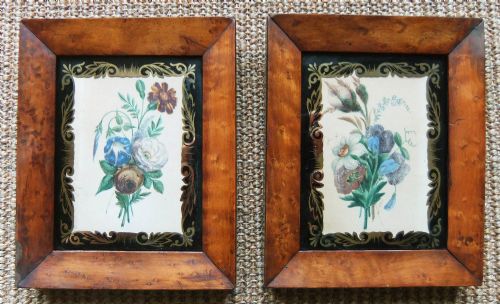
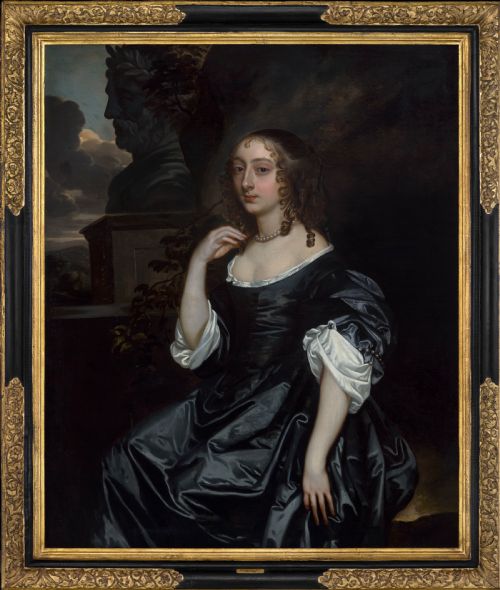
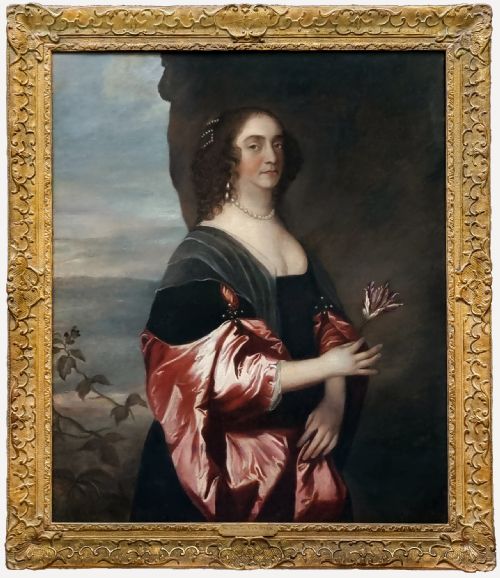
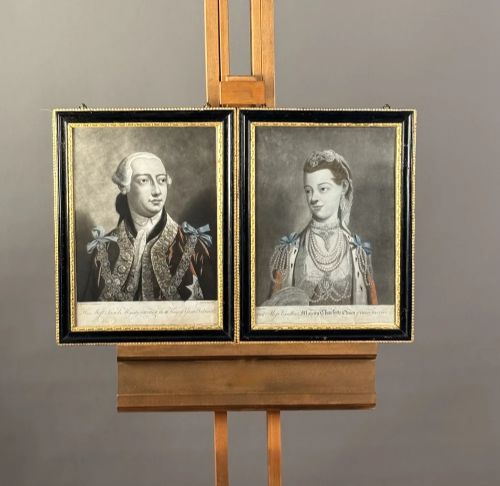
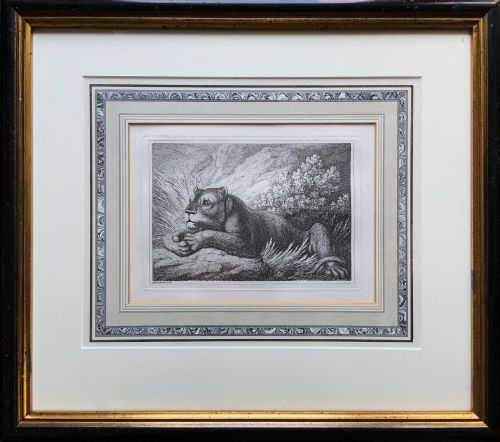
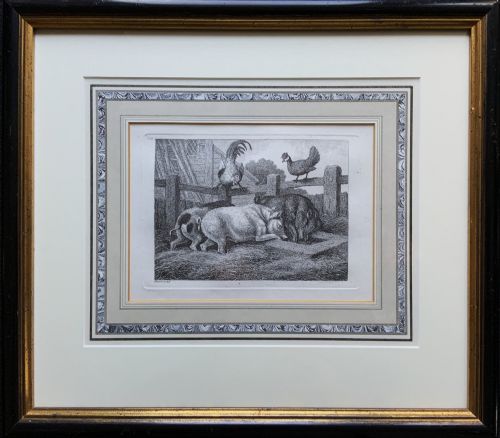
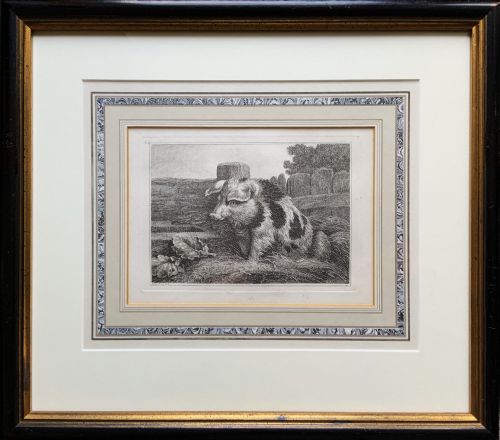
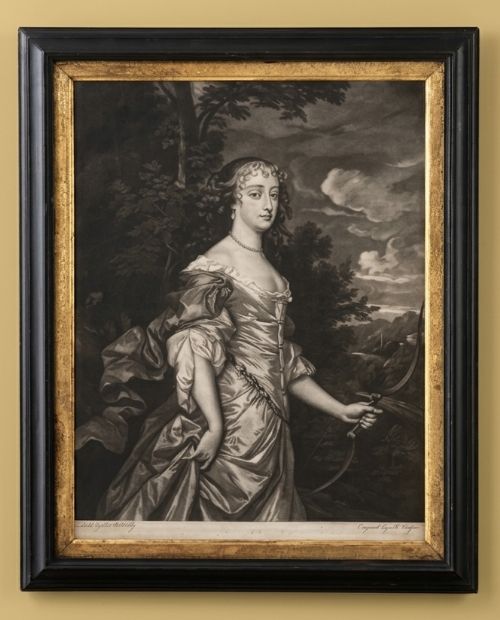
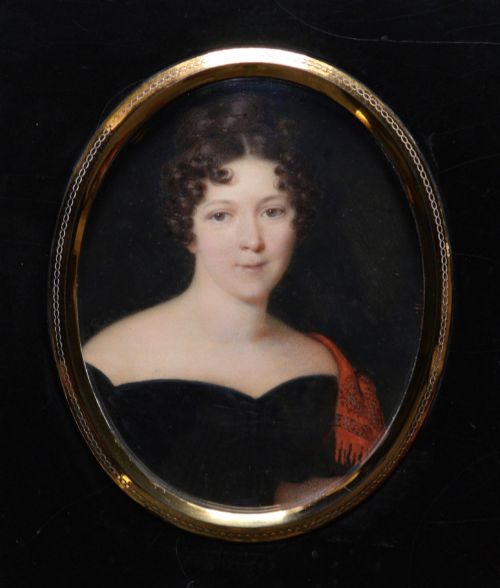
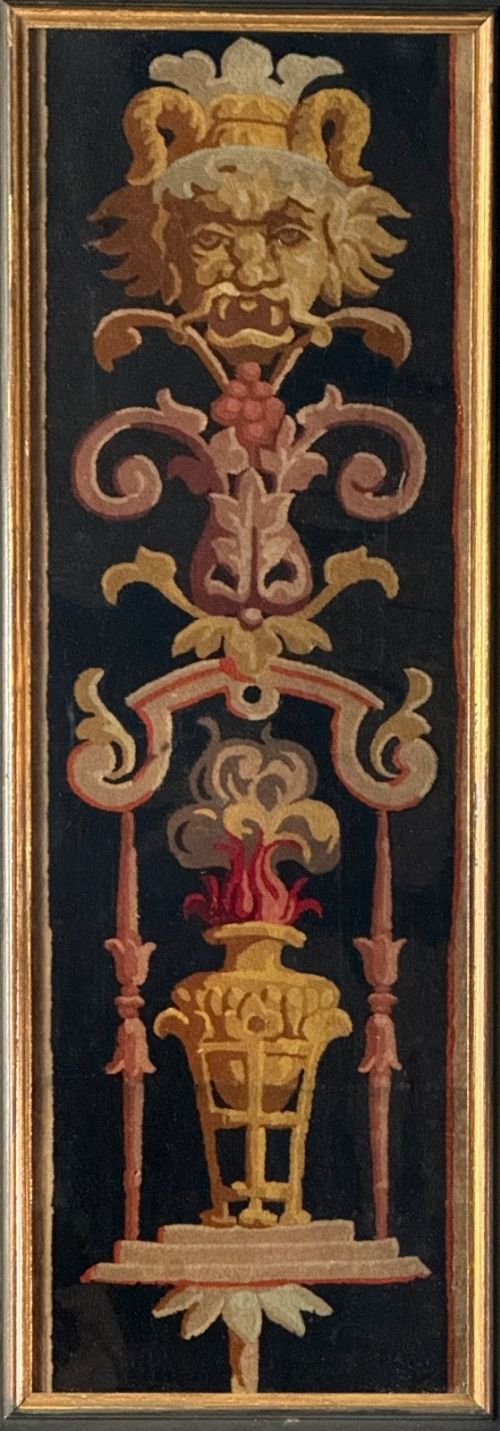
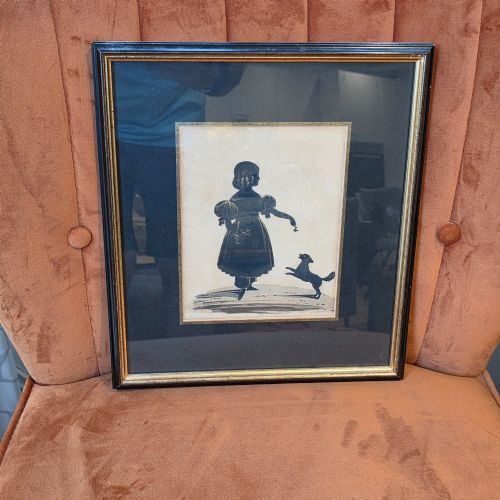
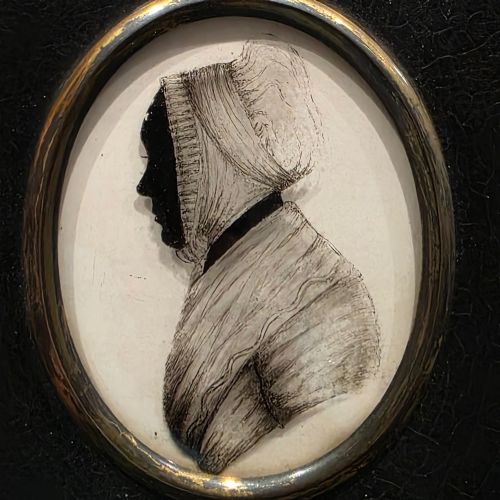
The primary forms met on this page include framed prints, silhouettes, portrait miniatures, and canvas paintings housed in contrasting dark frames accented with gold leaf or gilding. Such pieces often depict historical personages, domestic animals, botanical studies, and classical subjects executed by period artists or translated through printmakers.
Origins stretch across British, continental European, and early schools, reflecting the stylistic shifts of Restoration Baroque, Italian Baroque, and early fine art traditions. Buyers navigate these selections to acquire authentic period wall art that retains its historical framing and visual character.
Materials and construction methods
Works within this selection rely on traditional substrates such as paper, canvas, wood panels, and woven silk, marked by media including oil, watercolour, pastel, ink, and stipple engraving. Printmakers utilised copper plates for mezzotints and etchings, applying hand-colouring where appropriate to enhance the printed lines.
Frames combine timber bases - such as ebonised wood or rosewood - with applied gold leaf or giltwood highlights to achieve the characteristic dark and metallic contrast. These mounts and frames protect the fragile paper or canvas surfaces whilst providing structural definition to the artwork.
Materials recorded across the inventory include glass, paper, wood, gold leaf, oil on canvas, ink, and giltwood.
Evaluating quality and execution
Quality separates through the crispness of the impression in printed works and the subtlety of brushwork in painted portraits, distinguishing master hands from standard studio output. Stronger examples display delicate handling of light, shadow, and detail, whether in the cut paper of a silhouette or the fine hatching of an eighteenth-century engraving.
The preservation of the original framing, including the integrity of the ebonisation and the retention of the original gold leaf, contributes significantly to the integrity of the piece. Depth of tone in mezzotints and the stability of pigments across oils and watercolours further differentiate superior survivals from faded or heavily restored equivalents.
The Black Gilt Framed Art Glossary
- Mezzotint
- A printmaking process of the intaglio family where the plate is roughened uniformly to produce rich dark tones and subtle gradations of light. This technique was widely utilised for portraiture during the eighteenth century.
- Silhouette
- A likeness depicted as a solid shape, usually black, profile-cut from paper or painted onto card or glass. These items frequently date from the Georgian and Regency eras.
- Ebonised
- Wood treated to resemble expensive ebony, typically through staining or painting dark. This finish forms a stark contrast against gilt detailing on frames.
- Stipple engraving
- A method of producing prints by means of dots rather than lines, allowing for delicate tonal transitions. It gained popularity for reproductive portraits during the late eighteenth century.
- Giltwood
- Wood that has been coated with gold leaf or a gold-coloured metallic finish. It serves as a decorative border material on historic frames.
Black Gilt Framed Art: Frequently Asked Questions
What periods do these pieces date from?
The pieces span several centuries, with examples originating from the seventeenth, eighteenth, nineteenth, and early twentieth centuries. Georgian, Regency, and Victorian eras are particularly well represented.
Items reflect the distinct artistic output and framing preferences of their respective decades, incorporating historical printing methods and hand-painted techniques.
How should I hang and care for works on paper?
Works on paper, prints, and watercolours require placement away from direct sunlight to prevent fading of the pigments and paper stock. Stable indoor humidity levels protect both the artwork and the surrounding wooden frames.
Glass fronts protect the delicate surfaces from dust and atmospheric pollutants, requiring only gentle cleaning with non-abrasive cloths.
Are the frames original to the artwork?
Many pieces retain their period frames, such as ebonised timber or rosewood borders highlighted with gold leaf or giltwood. These housings match the historical context of the enclosed prints or paintings.
Certain items may show signs of age-related wear on the framing, which forms part of their historical authenticity.
What subjects are typically depicted?
The imagery encompasses portrait miniatures of historical figures, nobility, and family members, alongside botanical studies and animal portraits. Classical mythological scenes and topographical maps also appear across the selection.
Artists and printmakers of past centuries utilised these subjects to record likenesses and decorate domestic interiors.