



Black Forest Stand
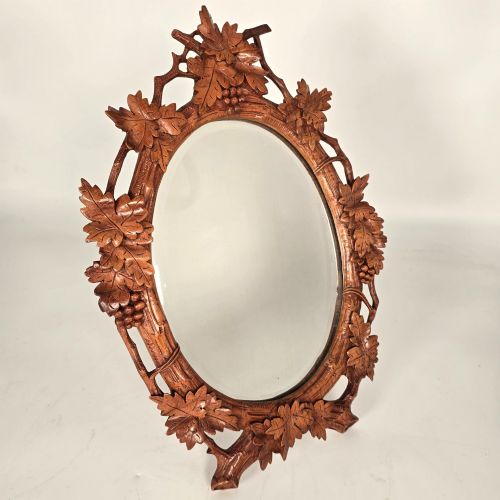
When searching for a black forest stand, collectors examine intricately carved wooden furnishings dominated by animal figures and rustic Victorian motifs.
Black Forest Stand
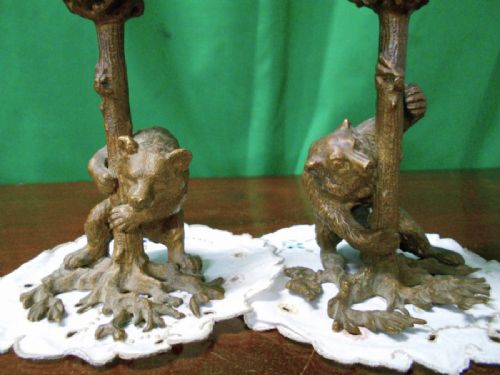
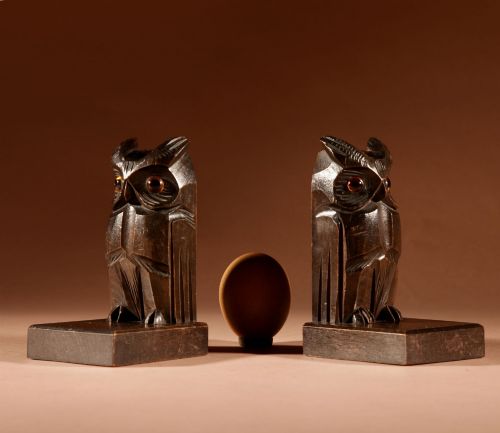
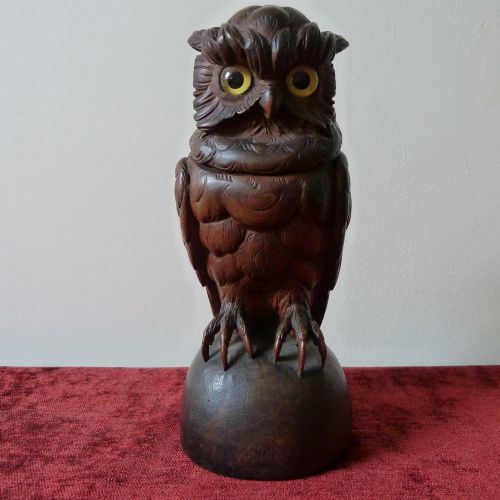
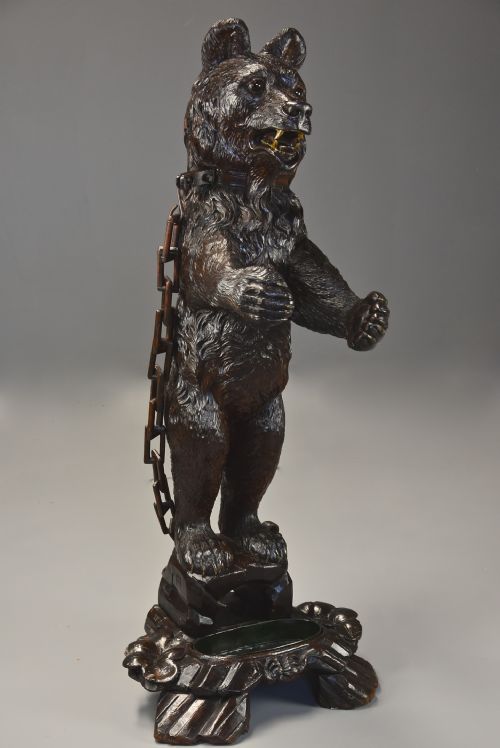
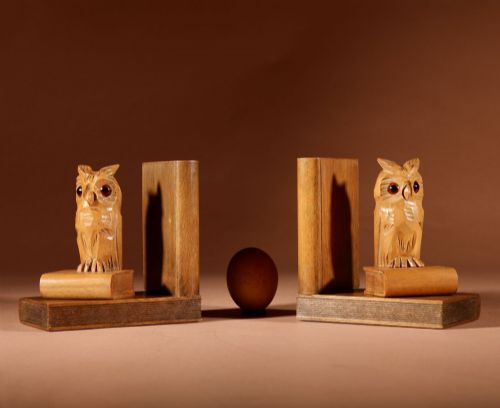
A black forest stand encompasses functional hallway furniture, umbrella holders, and small desk accessories produced primarily during the nineteenth and early twentieth centuries. These pieces frequently incorporate detailed animal carvings, such as bears, owls, and foxes, integrated directly into the structural framework of the item.
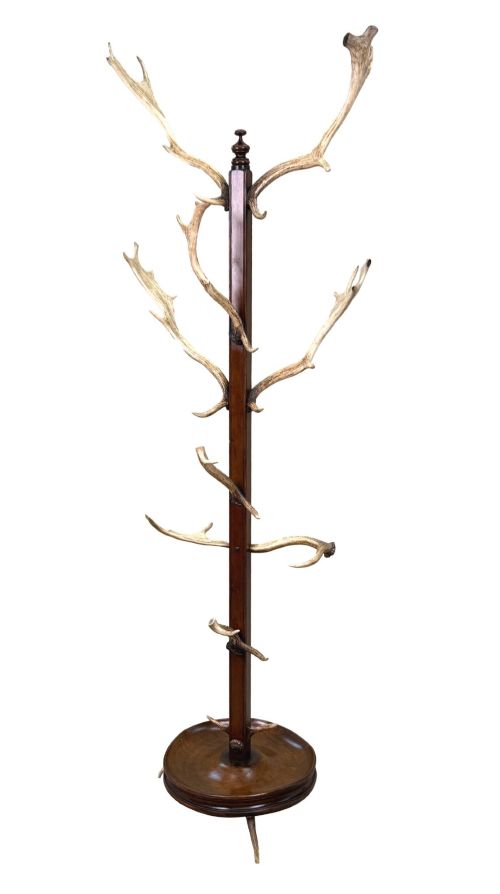
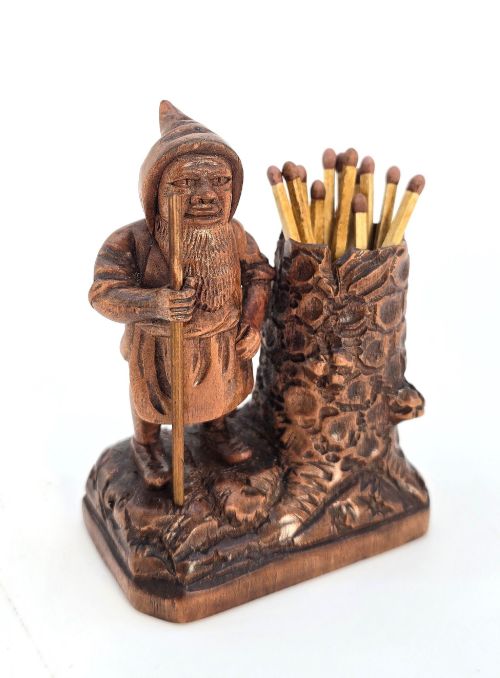
Hall stands and stick stands represent the most substantial forms encountered in this category, often featuring full-figure bears holding branches for hats and coats. Smaller tabletop variants include pocket watch stands, pen rests, and music stands designed with similar naturalistic themes.
Originating largely from Switzerland and Germany, the style embraces both folk art traditions and elaborate Victorian rustic design. Buyers will find that the physical scale ranges from towering hall trees down to compact desktop ink stands.
Materials and carving techniques
Carvers predominantly utilised softwoods such as linden wood and lime wood, which allowed for deep, expressive undercut detailing and fine textural work on animal fur and feathers. Oak and walnut also appear in structural elements and larger cabinet pieces, providing stability for heavier hall stands.
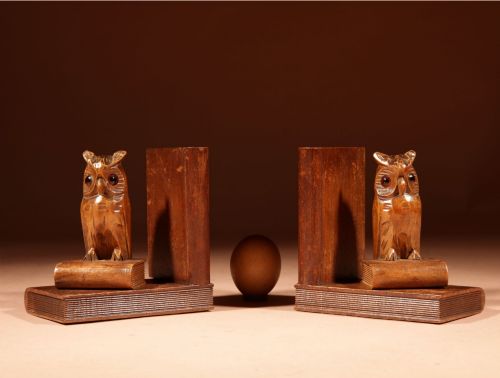
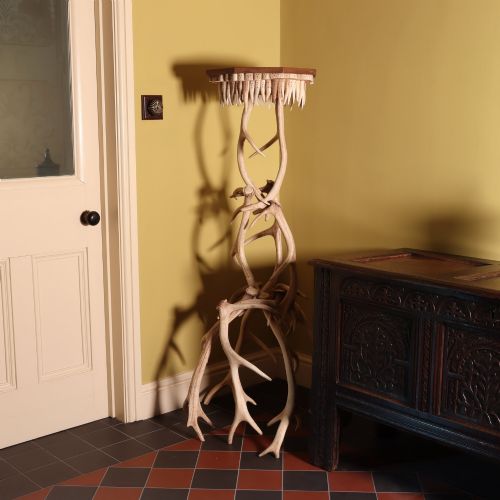
Master artisans employed traditional hand gouges and chisels to build up realistic forms, frequently adding glass eyes to animal subjects to increase lifelike expression. Assembly relied on traditional joinery supported occasionally by metal hardware, brass bindings, or natural antlers.
Black Forest Stand Retail Price Guide 2026
Typical asking prices for black forest stand among the pieces listed under this phrase on Sellingantiques today, from the lower quarter to the upper quarter. They describe what is for sale here now, not the wider market.
Listings demonstrate that 19th-century makers utilised linden wood, oak, and lime wood to construct functional items ranging from pocket watch stands to large hall trees.
Assessing craftsmanship and execution
The distinction between ordinary production and superior work lies in the anatomical accuracy and depth of the carving. Master carvers rendered fur, muscle structures, and facial expressions with high naturalism, whereas lesser examples remain flat, stiff, and mechanically simplified.
Proportion and structural ambition also dictate merit. Large hall stands featuring multiple carved figures interacting with natural oak trees or integrated benches require advanced engineering to balance weight and decorative complexity successfully.
Beha
The Black Forest Stand Glossary
- Linden wood
- A pale, fine-grained timber favoured by nineteenth-century carvers for its cooperative texture and lack of prominent grain. This wood allowed artisans to achieve smooth surfaces and crisp undercuts without splintering.
- Undercutting
- A carving technique where the artisan removes material beneath a subject to detach it partially from the background. This method creates dramatic shadow and three-dimensional depth in foliage and animal fur.
- Stick stand
- A hall furnishing specifically designed to store umbrellas and walking canes upright. These pieces often feature a carved animal figure standing beside a hollowed log or barrel base to catch dripping water.
- Folk art
- Traditional decorative items produced outside mainstream academic art training, often by regional artisans. The style emphasises utilitarian function combined with charming, direct ornamentation.
- Torchere
- A tall ornamental stand originally designed to support a candle or lamp. In this region, they frequently take the form of carved figures holding trays or basins.
Black Forest Stand: Frequently Asked Questions
What is a black forest stand used for?
These furnishings served practical domestic purposes in nineteenth-century hallways and studies, providing designated places to hang heavy coats, store wet umbrellas, or hold pocket watches.
Larger variations anchored grand entryways, while miniature versions organised correspondence and writing instruments on mahogany desks.
How do I identify a genuine period piece?
Examine the timber for natural patination, tool marks left by hand chisels, and the integration of components like glass eyes. Period items display organic wear patterns consistent with nineteenth-century domestic use.
Check for construction methods typical of the Victorian era, such as pegged joints and traditional hand-cut threads on any visible hardware.
Where were these pieces originally made?
The majority of these carved furnishings originated in the wooded mountainous regions of Switzerland and the Black Forest area of Germany. Local woodcarving guilds and specialised workshops drove production throughout the nineteenth century.
Pieces were exported widely across Europe and Britain to satisfy the Victorian appetite for rustic novelty and alpine souvenir art.
How should I care for carved wood?
Maintain stable indoor humidity levels and keep wooden carvings away from direct heat sources to prevent the timber from splitting. Dust the intricate crevices regularly with a soft, dry brush.
Avoid applying modern silicone polishes, as historical finishes respond best to occasional applications of appropriate conservation wax.