

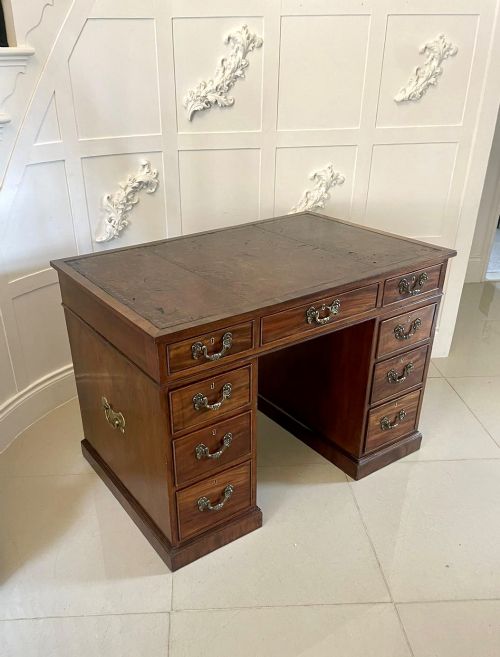
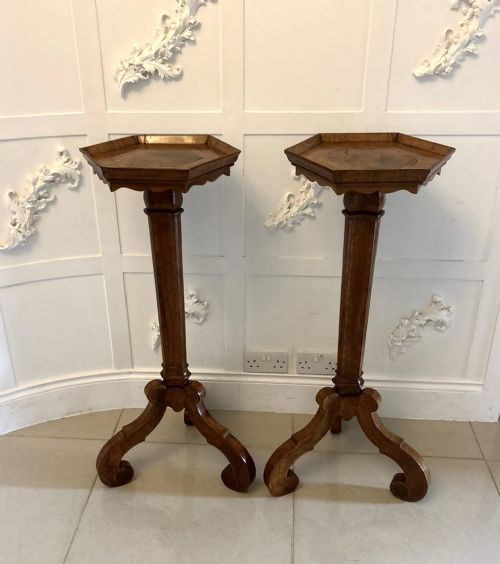
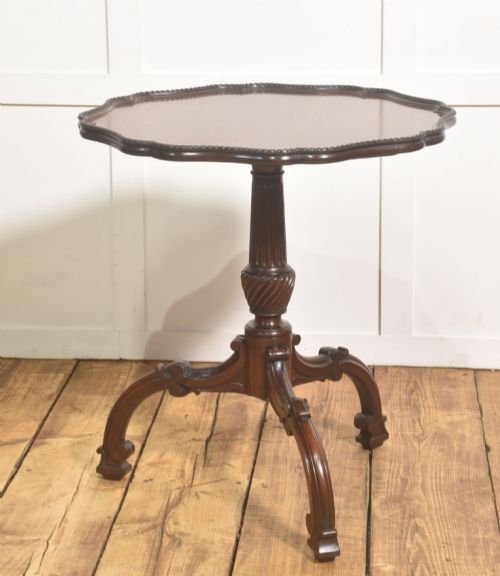
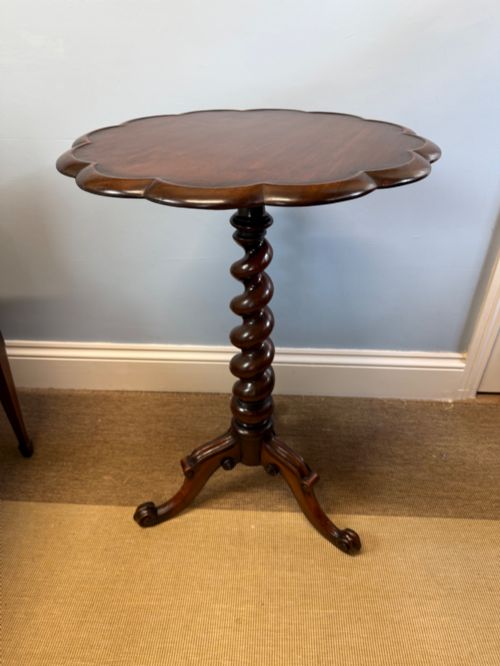
Carved Wooden Top Stand
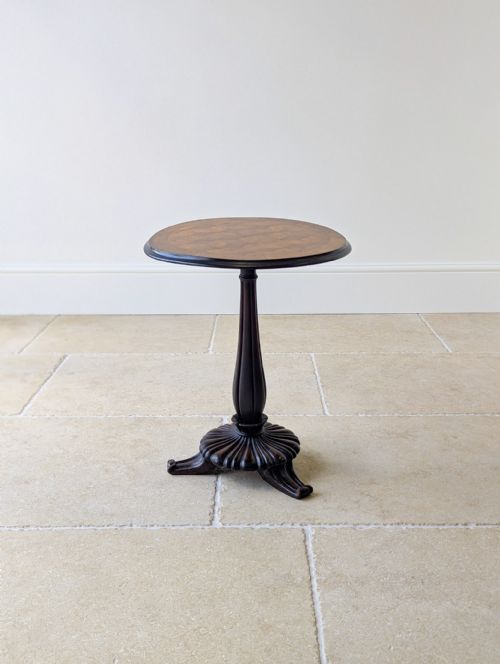
These carved wooden top stand pieces range from plant pedestals to occasional tables, offering solid utility and distinct period character.
Carved Wooden Top Stand
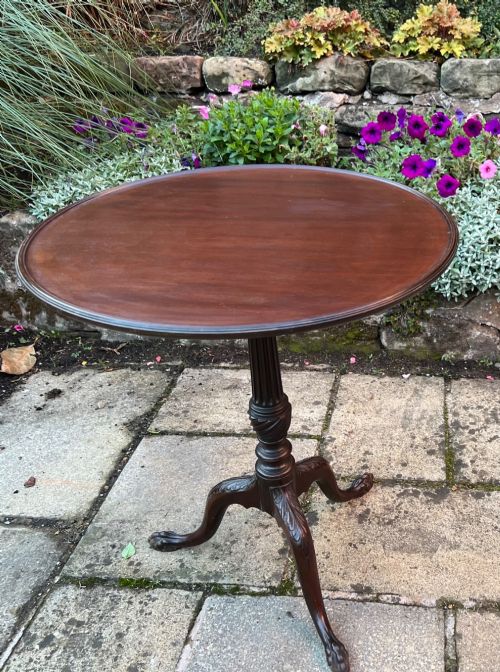
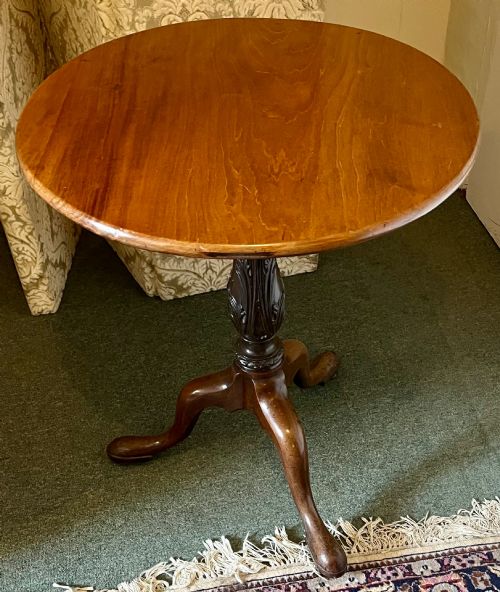
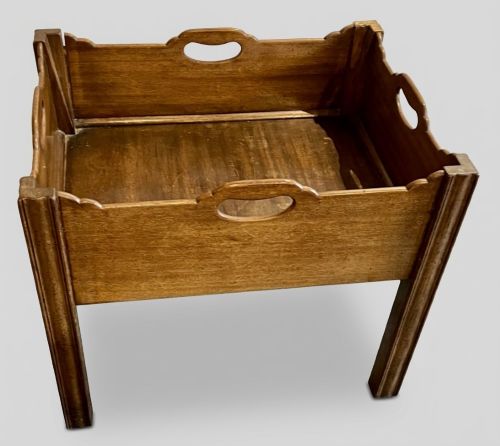
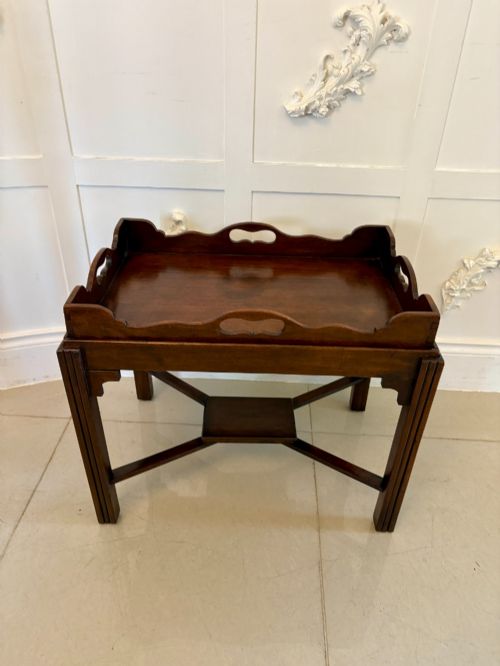
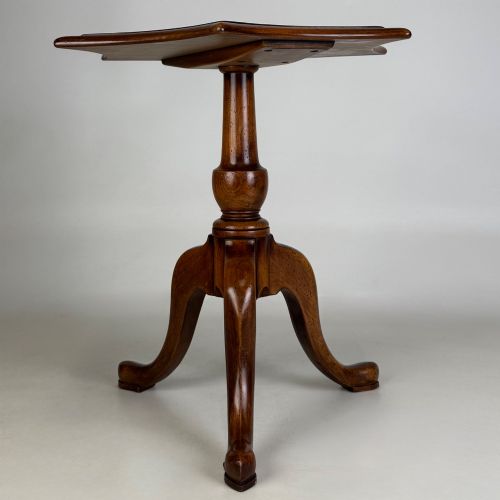
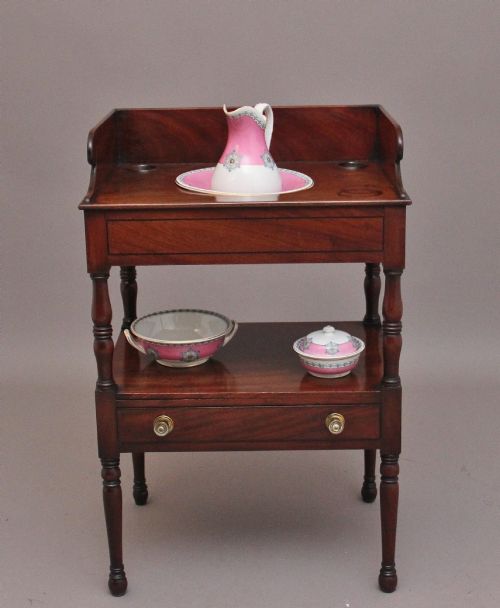
When you search for a carved wooden top stand, you encounter a diverse group of functional furniture primarily designed to support plants, lamps, or decorative objects. These items appear across various forms, including tripod tables, wine tables, plant stands, and jardiniere stands.
The versions most frequently met on this page span the 18th, 19th, and early 20th centuries, reflecting Victorian, Georgian, and Anglo-Indian aesthetic traditions. Makers utilised timber frames paired with specialised surfaces to create compact furniture suitable for domestic display.
How they were made
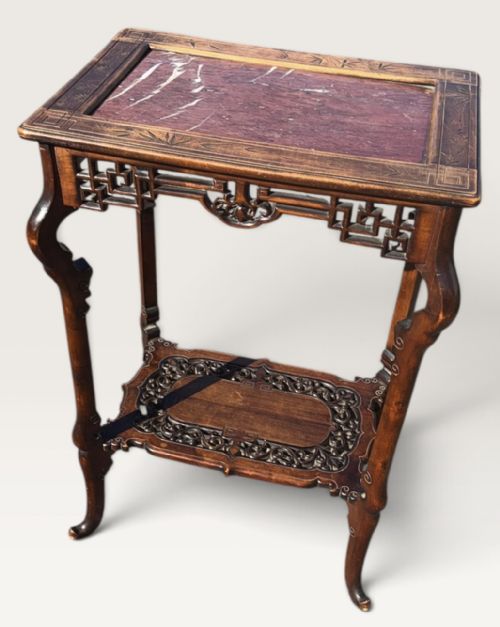
Makers constructed these pieces using dense timbers such as mahogany, oak, walnut, teak, and rosewood, often pairing them with contrasting inset surfaces like marble, brass, or copper. Structural integrity relied on traditional joinery techniques, including turned legs, tripod bases, and carved supports.
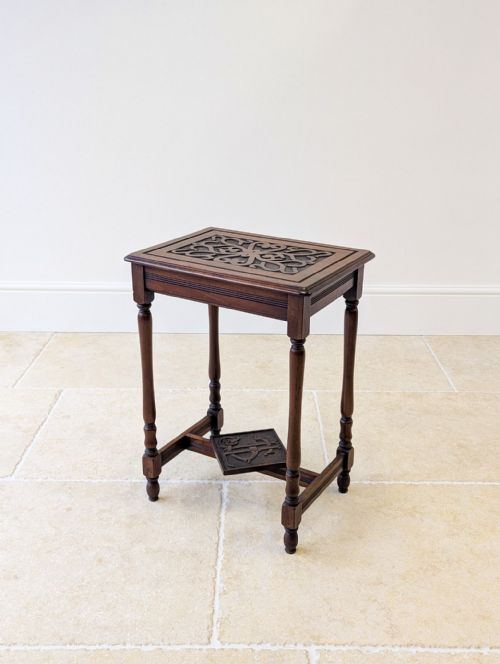
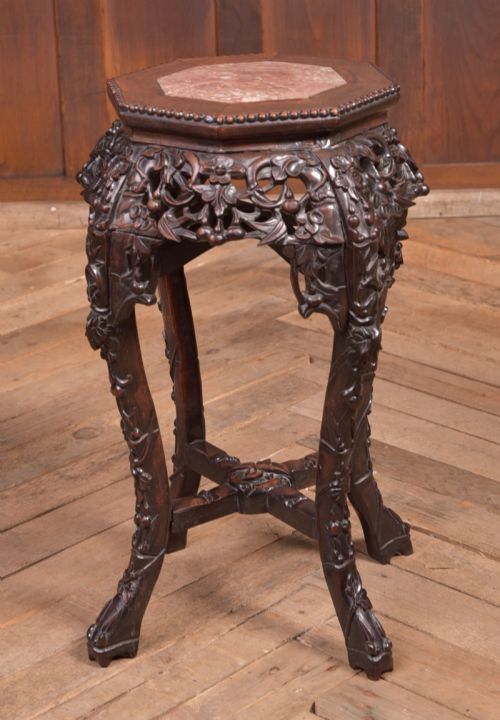
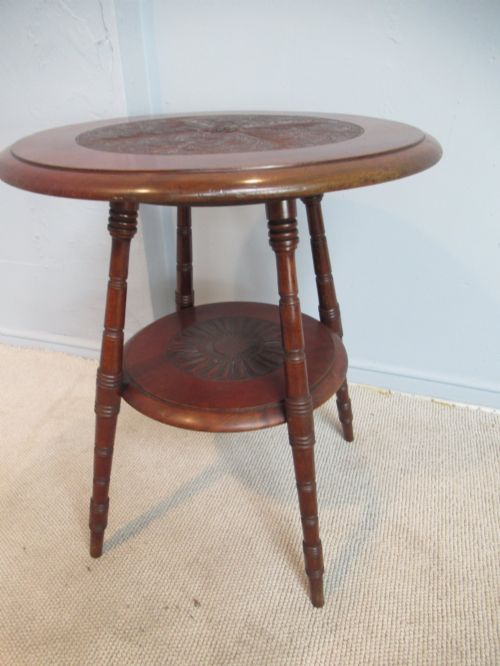
Surface ornamentation involved extensive hand-carving, ranging from geometric patterns on Anglo-Indian tables to classical motifs on Georgian and Victorian tripod designs. Some examples incorporate specialised decorative methods such as cloisonné or ebonising to enhance the visual depth of the wood.
Carved Wooden Top Stand Retail Price Guide 2026
Typical asking prices for carved wooden top stand among the pieces listed under this phrase on Sellingantiques today, from the lower quarter to the upper quarter. They describe what is for sale here now, not the wider market.
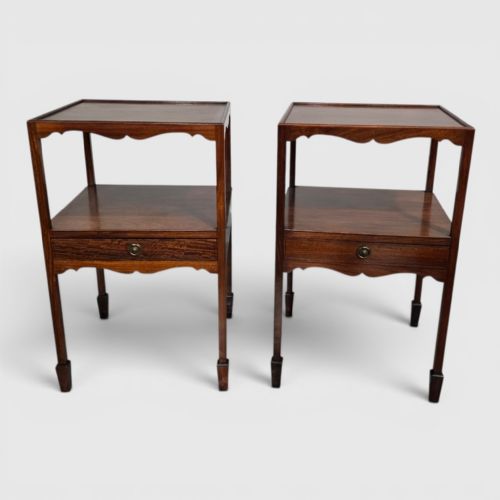
The furniture forms on this page include side tables, plant stands, wine tables, and occasional tables.
What varies in quality
The standard of timber selection and the depth of hand-carving separate standard pieces from superior examples. Dense, well-figured hardwoods with crisp, deeply articulated foliage or figurative motifs represent higher craftsmanship.
Integration of materials also dictates quality, particularly where marble tops fit flush within solid timber surrounds or where intricate inlay work aligns precisely with the underlying frame.
Gabriel Viardot
The Carved Wooden Top Stand Glossary
- Tripod table
- A small occasional table supported by a central pillar resting on three legs. This form gained popularity during the 18th century.
- Jardiniere stand
- A tall piece specifically designed to elevate potted plants. These often feature marble inserts to protect the wood from moisture.
- Anglo-Indian
- A descriptive term for furniture made in India during the British period, characterised by dense carving in teak or rosewood. Such items frequently utilise octagonal or hexagonal tops.
- Tilt-top
- A tabletop mechanism that pivots vertically to allow compact storage when not in use. This feature is common on 18th-century tripod tables.
- Chinoiserie
- European decorative style inspired by Chinese artistic traditions. It often appears on tables featuring ornate painted or carved motifs.
Carved Wooden Top Stand: Frequently Asked Questions
What is a carved wooden top stand used for?
These pieces functioned primarily as supportive furniture for lamps, decorative vases, and indoor plants within domestic interiors. Their compact footprints allowed them to fit easily into corners or beside seating.
Over successive periods, specific forms like jardiniere stands and wine tables evolved to serve dedicated household tasks while adding decorative focus to a room.
How do I identify a Victorian stand?
Victorian examples typically display heavier timber construction, frequent use of walnut or mahogany, and robust turned or carved supports. Stylistic references often revive earlier Gothic or Jacobean motifs.
Proportions tend to be solid, and many incorporate inset marble tops designed to hold heavy plants without damaging the wood beneath.
What distinguishes an Anglo-Indian table?
Anglo-Indian tables are distinguished by dense, intricate hand-carving executed in dense hardwoods like teak and rosewood. They frequently feature non-standard top shapes, such as octagonal or hexagonal surfaces.
These pieces reflect colonial trade and craft exchanges, combining British furniture forms with traditional Indian woodcarving techniques.
Why do some stands have marble tops?
Marble inserts provided a durable, water-resistant surface capable of supporting damp flower pots and heavy jardinieres. This prevented water rings and rot from damaging the surrounding timber frame.
Such materials appear frequently on 19th-century plant and vase stands intended for displaying botanical specimens indoors.