



Black Forest Novelty Carving
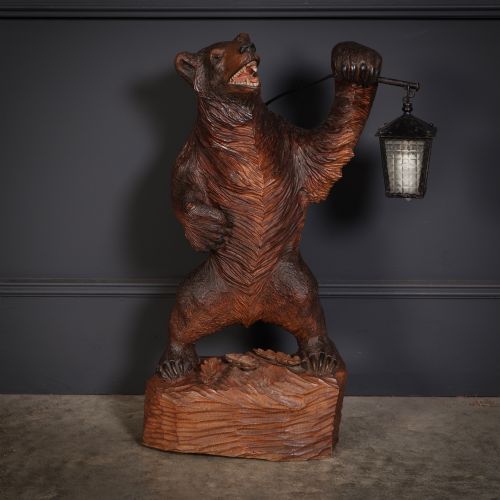
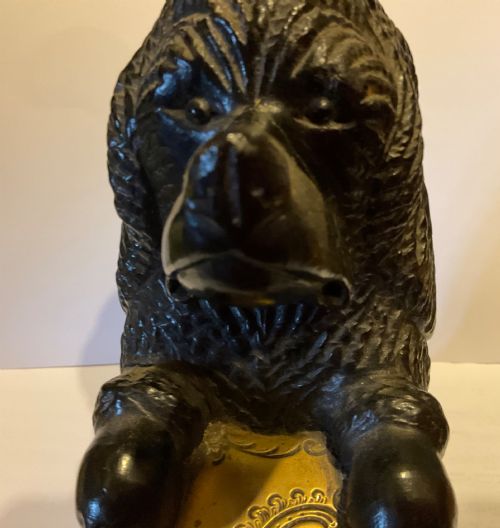
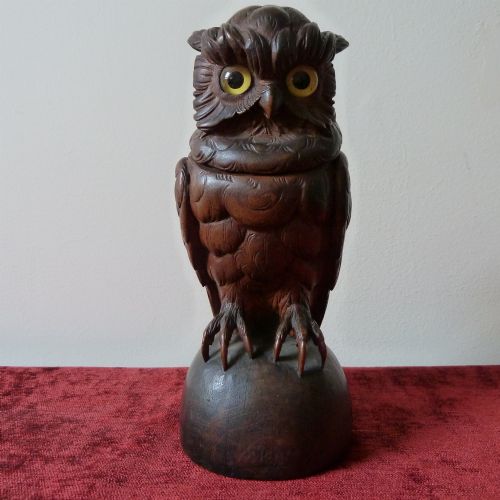
These black forest novelty carving pieces bring humour and utility together, shaped into animals and figures that catch the eye in any room.
Black Forest Novelty Carving
A black forest novelty carving combines functional utility with playful animal and human forms, turning everyday objects into striking decorative items. When exploring this selection, a buyer encounters domestic pieces designed for practical use around the home.
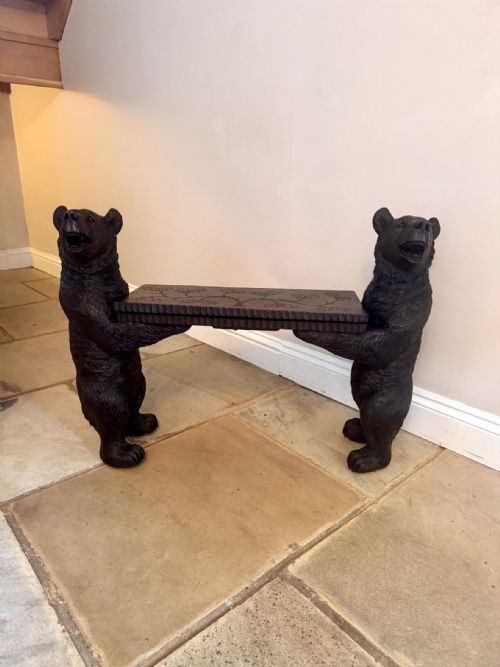
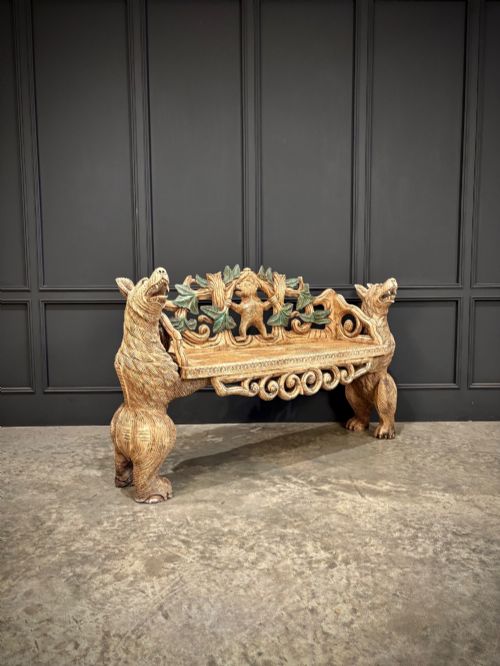
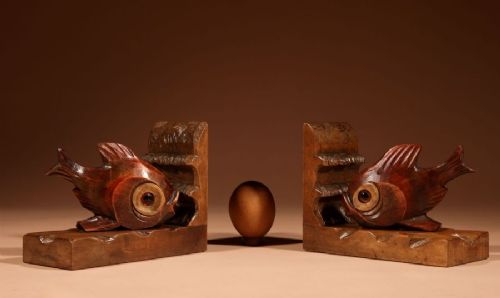
The objects take many functional forms originating from the nineteenth and early twentieth centuries, including inkwells, nutcrackers, bookends, and larger furniture items like hall stands and benches. Bears, dogs, cats, monkeys, and goldfish appear frequently across these practical pieces.
The origins span the Victorian era through to the 1920s, showing a tradition of carving that valued both domestic charm and precise woodworking skill. These pieces often serve as desk accessories or hallway furnishings, maintaining their original utility.
How they were made
Carvers shaped these items primarily from solid woods such as linden wood and walnut, choosing timbers that allowed for intricate detailing and smooth finishing. The natural grain of the wood often complements the sculpted forms of animals and figures.
Makers integrated various secondary materials like glass for eyes or metal and brass components for mechanisms such as inkwell inserts, match holders, and hinges. Marquetry inlay occasionally appears on wooden surfaces, adding geometric or floral patterns to structural elements.
Black Forest Novelty Carving Retail Price Guide 2026
Typical asking prices for black forest novelty carving among the pieces listed under this phrase on Sellingantiques today, from the lower quarter to the upper quarter. They describe what is for sale here now, not the wider market.
A goldfish bookend and a risqué nude coat hook sit comfortably alongside an army of industrious carved bears.
What varies in quality
The degree of anatomical accuracy and expression in the carved subject dictates the visual success of each piece. Carvings with lifelike posture, detailed fur texture, and expressive faces stand apart from simpler or stiffer productions.
Depth of relief and the complexity of the composition also separate standard examples from superior ones. Items incorporating multiple carved elements or functional mechanisms demand higher skill from the maker.
The Black Forest Novelty Carving Glossary
- Linden wood
- A soft, pale timber favoured by carvers for its fine, even grain and ease of cutting. This wood allows for the deep undercut details seen on many animal carvings.
- Marquetry
- The art of applying small pieces of veneer to a structure to form decorative patterns. It appears on wooden furniture surfaces alongside carved elements.
- Novelty carving
- An object shaped into an amusing or unusual form while retaining a practical function. Inkwells, nutcrackers, and match holders take this playful approach.
- Figural
- Representing a human or animal form in art and sculpture. These pieces depict subjects like bears, dogs, and monkeys engaged in human activities.
Black Forest Novelty Carving: Frequently Asked Questions
What items are black forest novelty carvings?
These pieces comprise practical domestic items shaped into animals and figures, such as inkwells, nutcrackers, bookends, match dispensers, and larger furniture.
They combine utility with whimsical design, taking the form of bears, dogs, cats, monkeys, and goldfish.
How were these carved pieces used?
They served everyday practical functions in Victorian and early twentieth-century homes while providing decorative amusement.
Items held ink, cracked nuts, stored matches, supported books, or held coats and walking sticks in hallways.
What woods appear in these carvings?
Makers predominantly used linden wood and walnut for their carvings.
These timbers allowed artisans to create detailed fur textures and expressive animal forms with smooth finishes.
How can I tell the age of a piece?
Dating relies on the recorded periods spanning from the Victorian era through to the 1920s.
Stylistic cues, material combinations, and the specific functional forms help place pieces within this timeline.