





Black Figure Pottery
Black figure pottery brings together centuries of fired clay figures, pitchers and vessels shaped by Victorian, Meiji and Renaissance hands.
Black Figure Pottery
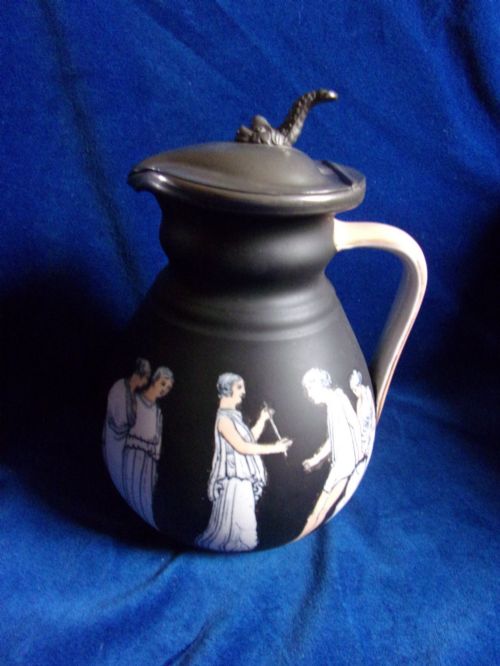
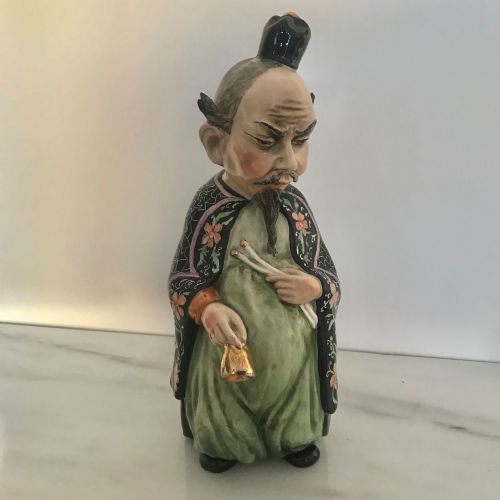
When you search for black figure pottery, you encounter a varied mix of Victorian Staffordshire figures, Japanese Sumida Gawa ceramics, and French faience pitchers spanning the nineteenth and twentieth centuries.
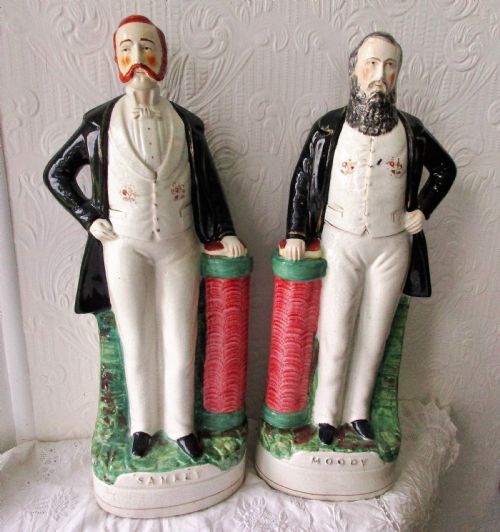
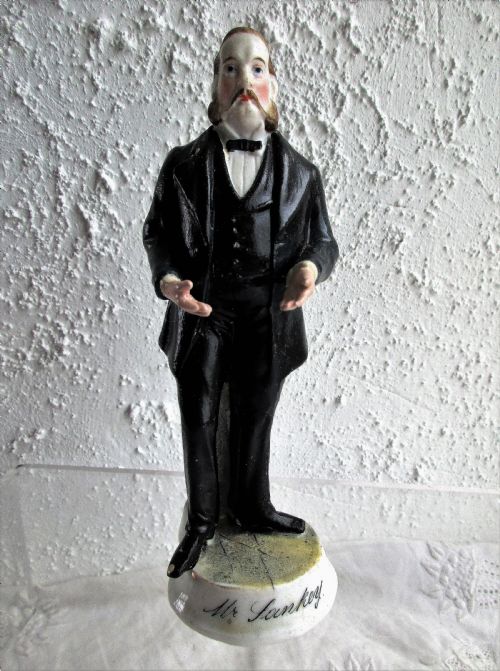
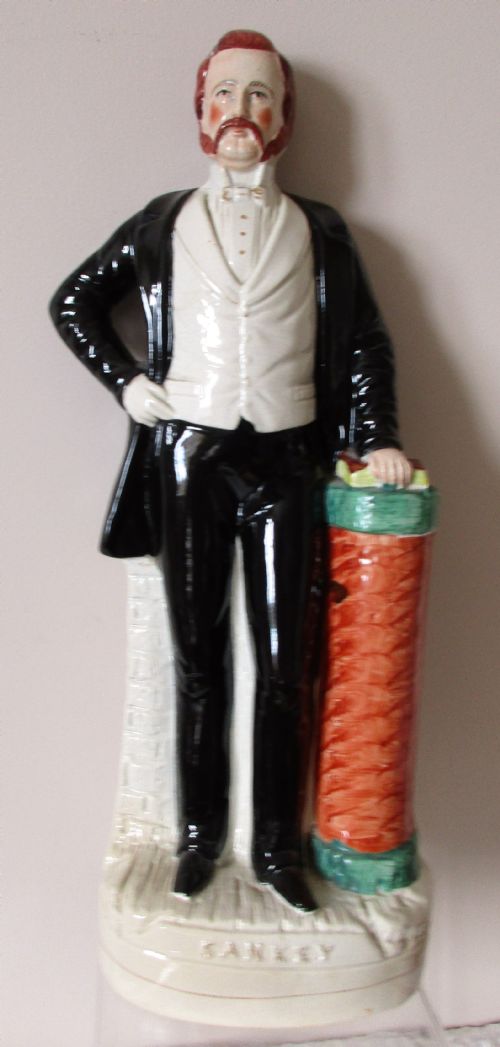
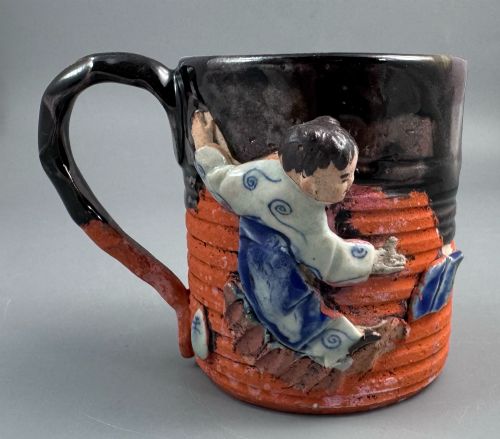
Victorian Staffordshire earthenware portraits and Japanese earthenware cups with applied figures form the core of what you meet here.
Materials and construction
Potters relied upon earthenware, porcelain, and terracotta bodies shaped by hand or mould before applying lead glazes and enamel decoration.
Japanese Sumida Gawa pieces utilise distinctive heavy glazes alongside applied figures of sages and children modelled separately.
Staffordshire pieces employ earthenware finished with coloured enamels and glazed ceramic surfaces.
Black Figure Pottery Retail Price Guide 2026
Typical asking prices for black figure pottery among the pieces listed under this phrase on Sellingantiques today, from the lower quarter to the upper quarter. They describe what is for sale here now, not the wider market.
Several Staffordshire spaniels keep a silent vigil over the page, flanked by earnest Victorian hymnists.
Distinctions in quality
The skill of the enamel painting and the evenness of the glaze determine the visual success of each piece.
Signed Japanese ceramics and named Victorian portrait figures demonstrate superior workshop execution compared to anonymous output.
Inoue Ryōsai Workshop·Guido Cacciapuoti·Samuel Alcock
The Black Figure Pottery Glossary
- Earthenware
- Porous pottery fired at lower temperatures, requiring a glaze to hold liquids. It forms the body of many nineteenth-century figures.
- Faience
- Tin-glazed earthenware originating in France and Italy. It provides a smooth white background for painted mythological scenes.
- Enamel
- Opaque glass fused to pottery surfaces through firing. It creates the vibrant surface colours seen on figures and mugs.
- Lead glaze
- A glossy coating containing lead oxide applied to earthenware before the final kiln firing. This imparts a shiny protective finish to the ceramic body.
- Terracotta
- Unglazed brownish-red fired clay. Sculptors favour it for its warm tone and responsiveness to modelling tools.
Black Figure Pottery: Frequently Asked Questions
What is black figure pottery?
These items encompass glazed ceramic vessels, earthenware portrait figures and porcelain figurines produced across the nineteenth and twentieth centuries.
They reflect diverse stylistic influences including Victorian realism, Japanese Meiji craft and Renaissance Revival design.
How were Sumida Gawa mugs made?
Japanese artisans shaped heavy earthenware bodies and applied modelled figures of sages or children directly onto the damp surface before glazing.
Potters like Ishiguro Kōko and Inoue Ryōsai signed these distinctive pieces with impressed or painted marks.
Where do Staffordshire figures originate?
Staffordshire potters in England moulded earthenware portraits, spaniel dogs and literary characters during the Victorian era.
Painters decorated these figures by hand using enamel colours over a lead glaze.
How should I clean ceramic figures?
Dust glazed earthenware and porcelain gently with a dry, soft brush to protect fragile enamel details and applied elements.
Avoid immersing antique pottery in water, particularly pieces with old repairs or unglazed terracotta surfaces.