



Black Dressing Table Mirror
A black dressing table mirror brings dark polish and period presence to a room, offering both reflection and decorative weight.
Black Dressing Table Mirror
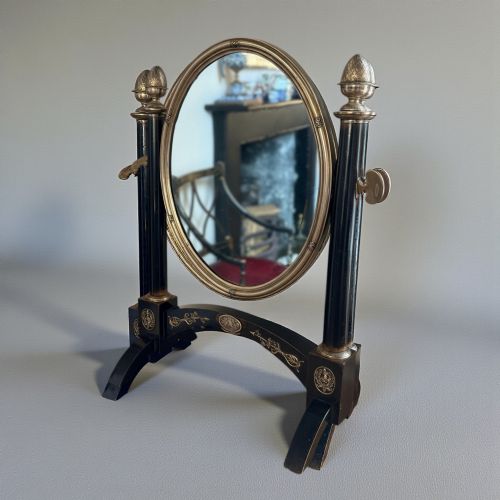
A black dressing table mirror sits on a chest or dressing table, providing a reflective surface framed in dark or ebonised wood. When searching for a black dressing table mirror, buyers encounter pieces ranging from simple Georgian toilet mirrors to elaborate Victorian ebonised designs.
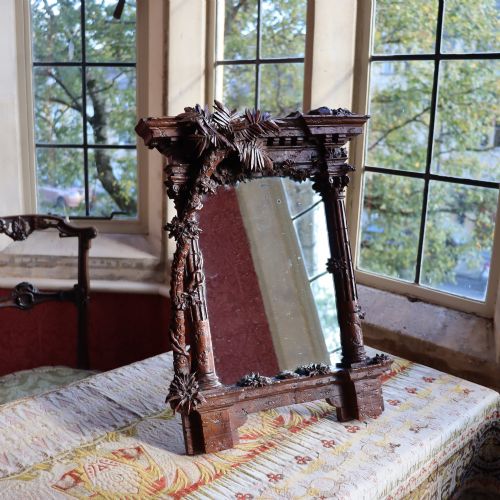
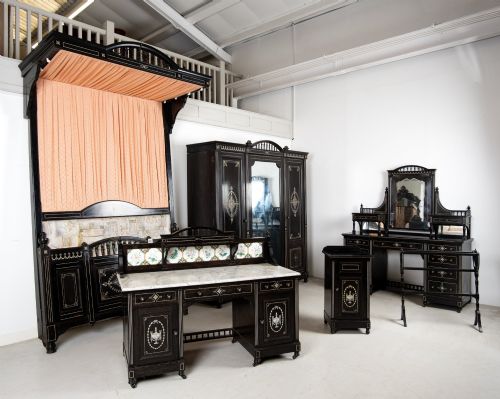
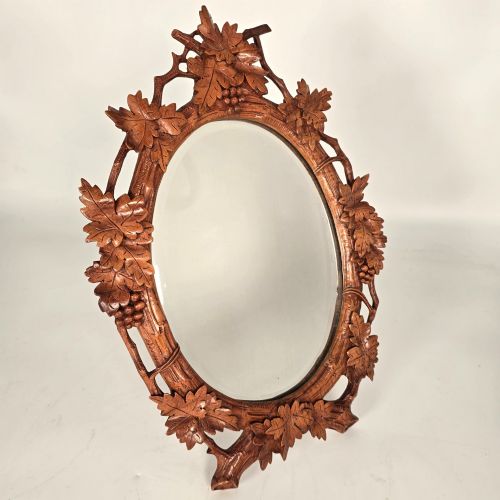
The materials span ebonised wood, black lacquer, and carved lime wood, reflecting periods from the 18th century through to the Edwardian era. Forms include simple table mirrors, toilet mirrors with miniature bureau bases, and more complex pieces associated with bedroom suites.
Origins stretch across English, French, Chinese export, and Swiss workshops, bringing varied regional aesthetics to the dark finish. The typical surviving example relies on ebonisation or lacquer to achieve its signature dark tone.
Materials and construction
Glass plates are set within frames of ebonised wood or metal, sometimes accompanied by brass fittings or inlaid details. Lacquer work involves meticulous layering to produce a deep black sheen, seen notably in Chinese export and Queen Anne pieces.
Black Dressing Table Mirror Retail Price Guide 2026
Typical asking prices for black dressing table mirror among the pieces listed under this phrase on Sellingantiques today, from the lower quarter to the upper quarter. They describe what is for sale here now, not the wider market.
Some 18th-century toilet mirrors double as miniature bureaus, letting you check your reflection and hide secret love letters in the same tiny footprint.
Distinguishing quality
Quality rests on the depth of the ebonisation or lacquer work and the crispness of any carved decoration. Hand-carved lime wood displays a precision of detail that elevates the piece far beyond plain turned frames.
The integration of the mirror plate with the frame and the retention of original elements, such as glass and brass hardware, determine the standing of an item. Superior examples maintain balanced proportions, particularly where miniature bureau bases or folding mechanisms are involved.
The Black Dressing Table Mirror Glossary
- Ebonised Wood
- Timber treated to imitate ebony, usually through staining or painting a dense black. This finish was widely favoured during the Victorian period.
- Toilet Mirror
- A smaller mirror designed to sit on a table or dressing chest, popular from the 18th century onwards. These often incorporate small drawers or bureau bases.
- Chinoiserie
- European imitation of Chinese artistic motifs, frequently executed in black lacquer with gilt highlights. It appeared on dressing mirrors and furniture during the 18th and 19th centuries.
- Black Forest
- A regional style of wood carving originating from Switzerland, known for naturalistic animal and foliage motifs. Pieces from this tradition are typically carved from lime wood.
Black Dressing Table Mirror: Frequently Asked Questions
How do I clean a black dressing table mirror?
Dust the ebonised frame gently with a dry, soft cloth to prevent the accumulation of grit in carved recesses.
Use a mild glass cleaner applied to a cloth rather than directly onto the mirror plate to protect old silvering from moisture damage.
Are these mirrors stable on modern tables?
Most period table mirrors include adjustable side pivots or sturdy table bases designed to keep the glass steady at a preferred angle.
Heavier examples, such as those with bureau bases, offer a substantial footprint that prevents tipping during daily use.
What is the difference between a toilet mirror and a dressing mirror?
A toilet mirror generally refers to smaller 18th and 19th-century table-standing glasses, frequently incorporating small drawers beneath the frame.
A dressing mirror can encompass larger table-top forms or hand-held variations used specifically for grooming.
How do I identify a Victorian ebonised mirror?
Victorian ebonised pieces often feature dense black staining over hardwoods, sometimes combined with incised gilt lines or aesthetic movement motifs.
Examine the construction joints and backboards for period indicators such as hand-cut screws or traditional fixings.