



Black Dog Etching
A black dog etching captures canine character with ink on paper, offering collectors timeless depictions of sporting dogs and loyal companions.
Black Dog Etching
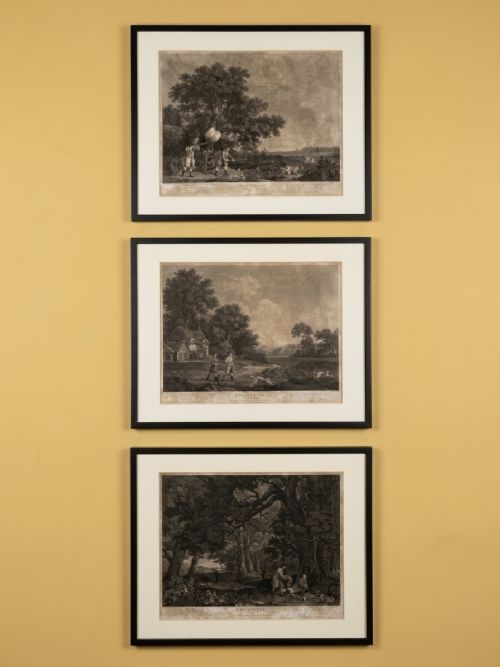
When you search for a black dog etching, you encounter printed works spanning the eighteenth century to the early twentieth century. The selection on this page centres heavily on original drypoint etchings from the Edwardian era, alongside a Georgian engraving series.
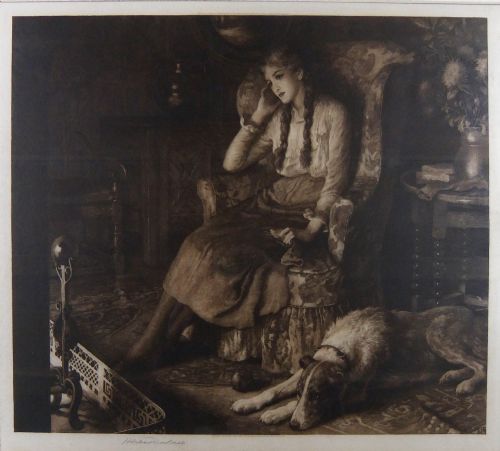
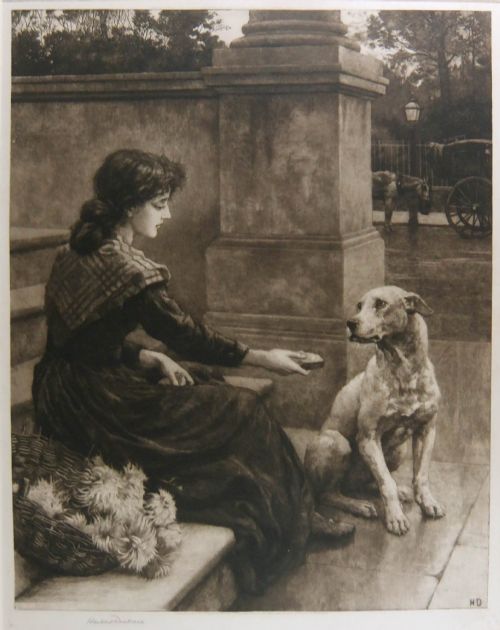
The dominant subjects are canine portraits and sporting scenes, executed by noted printmakers such as William Woollett after George Stubbs and Herbert Dicksee. Forms range from unframed prints to framed pieces preserved behind glass in wooden frames.
Early twentieth-century realism defines the majority of the works, presenting breeds like bulldogs, spaniels, and terriers with fine detail and atmospheric depth.
How they were made
Makers produced these works using ink applied to paper, employing traditional printmaking techniques including etching and drypoint. Artists scratched lines directly into metal plates or used acid to bite the designs before transferring them onto sheets of paper.
Framed examples utilise wooden frames and protective glass panes to preserve the delicate paper surfaces from environmental damage. The combination of meticulous plate work and quality printing created deep contrasts and rich tones characteristic of period printmaking.
Black Dog Etching Retail Price Guide 2026
Typical asking prices for black dog etching among the pieces listed under this phrase on Sellingantiques today, from the lower quarter to the upper quarter. They describe what is for sale here now, not the wider market.
This site's listings show works spanning the eighteenth, nineteenth, and early twentieth centuries, utilising ink, paper, wood, and glass.
What varies in quality
The distinction between ordinary prints and exceptional works lies in the clarity of the impression and the strength of the plate lines. Early impressions pulled directly from freshly worked plates exhibit sharper detail and richer ink saturation than later printings.
Signatures by the artist in pencil below the image elevate a piece, indicating a higher level of personal oversight during the printing process. The condition of the paper and the preservation of the delicate drypoint burr further determine the standing of an individual work.
The Black Dog Etching Glossary
- Etching
- A printmaking process where acid bites lines into a metal plate to hold ink. Artists use this method to achieve fine, fluid lines on paper.
- Drypoint
- A printmaking technique where the artist scratches directly into the metal plate with a sharp needle. This creates a raised ridge of metal called a burr, which holds ink to produce a rich, velvety line.
- Engraving
- A method of cutting design lines directly into a hard plate using a burin tool. Eighteenth-century sporting prints frequently utilise this precise technique.
- Impression
- A single print pulled from a prepared plate onto paper. The quality of an impression depends on the wear of the plate and the skill of the printer.
Black Dog Etching: Frequently Asked Questions
What is a drypoint etching?
A drypoint etching is a print created by scratching an image directly into a metal plate using a sharp stylus rather than using acid. The process leaves a rough ridge of metal that gives the printed lines a soft, velvety texture.
This technique requires considerable skill to control the burr and is distinct from standard etched lines. Collectors value drypoint works for their rich tonal qualities and direct connection to the artist's hand.
Who was Herbert Dicksee?
Herbert Dicksee was an early twentieth-century British artist renowned for his detailed etchings of dogs, particularly terriers and bulldogs. His works capture the distinct personalities and textures of his canine subjects with remarkable realism.
Signed editions and well-preserved impressions by this maker remain sought after by collectors of historical animal art. His prints reflect the Edwardian appreciation for domestic pets and sporting companions.
How do I identify a Georgian engraving?
Georgian engravings typically exhibit fine, controlled lines and often document sporting or historical subjects from the eighteenth century. Makers such as William Woollett produced these plates to reproduce painted works by artists like George Stubbs.
Examining the paper type and the characteristics of the engraved lines helps determine the period origin. These prints offer a window into eighteenth-century printmaking standards and artistic patronage.