
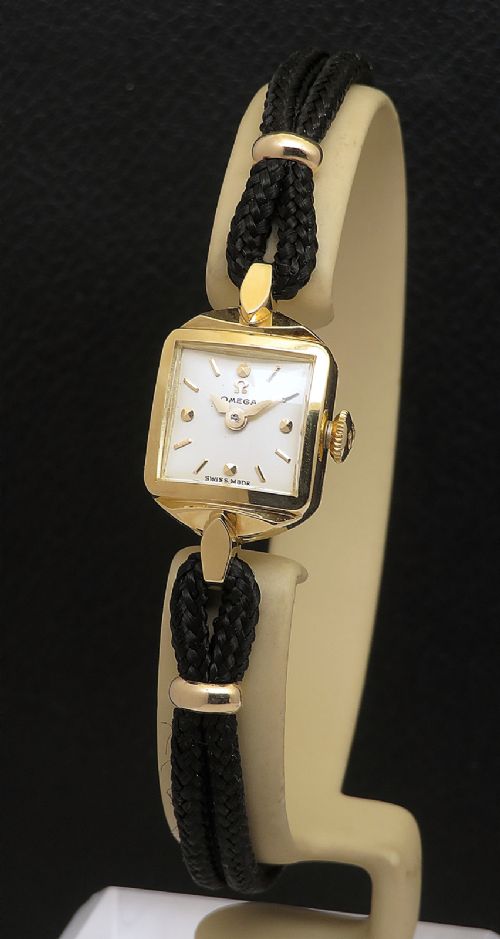
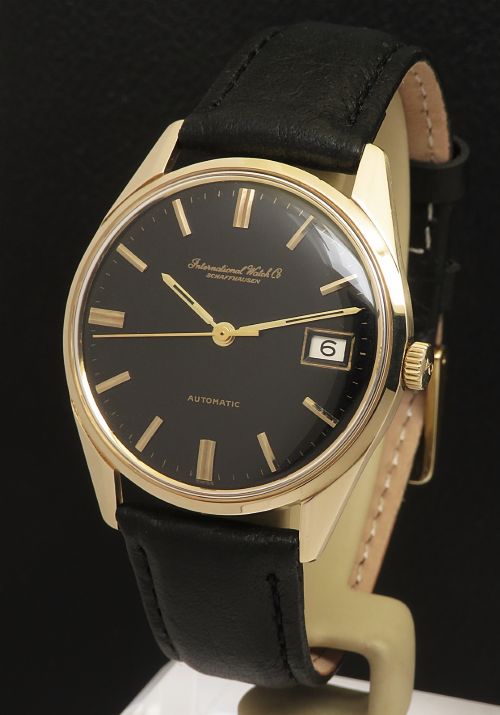
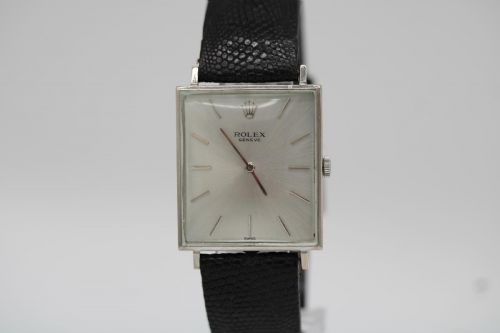
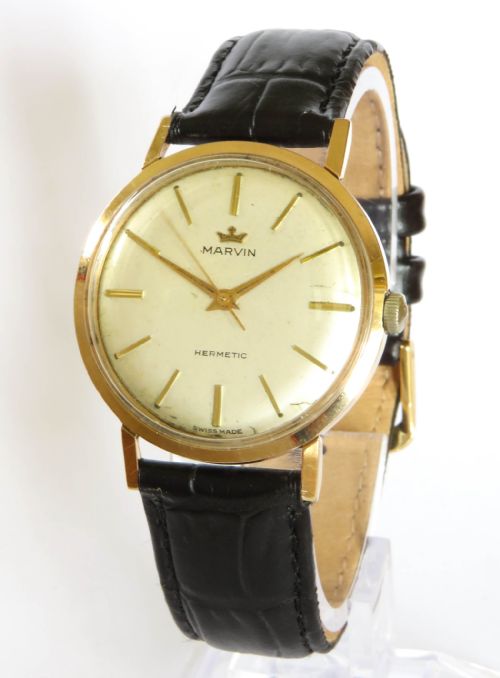
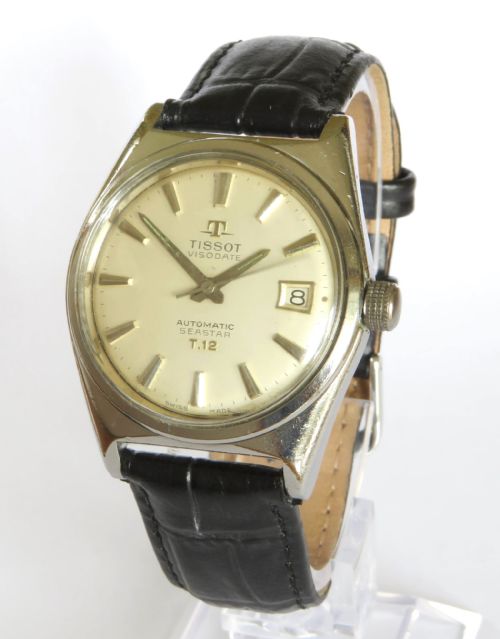
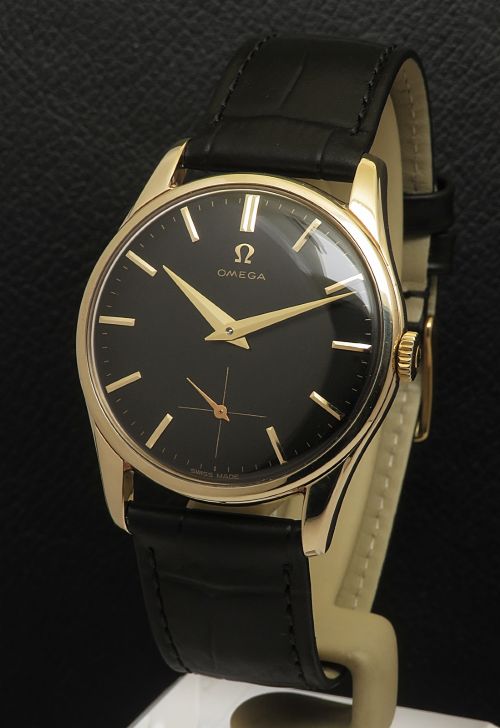
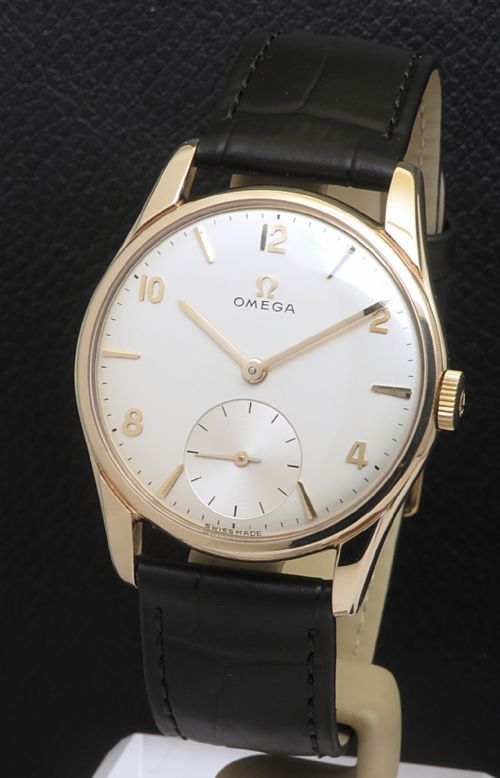

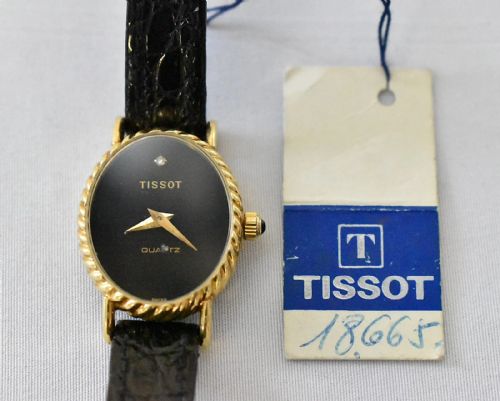


Black Dial Gold Watch
A black dial gold watch is a sophisticated timepiece combining precious metal cases with dark faces, prized for its striking contrast and timeless appeal.
Black Dial Gold Watch
A black dial gold watch brings together warm metallic tones and deep, dark faces, creating an understated yet commanding presence on the wrist. When exploring this selection, buyers frequently encounter vintage pieces spanning the 1930s through to the late 20th century.
The wristwatches appearing in these listings encompass both men's and ladies' designs, featuring styles from Art Deco geometry to Mid-Century Modern simplicity. Formats range from dress watches with original leather straps to robust automatic chronometers housed in solid precious metals.
Origins vary across Swiss makers and British production, reflecting mid-century horological milestones and earlier decades of craftsmanship. Each black dial gold watch carries the distinct mechanical character of its era, from manual wind calibres to early automatic movements.
Materials and construction
Cases are constructed from 9ct gold, 18ct gold, and gold plate, paired with dials complemented by materials such as glass, acrylic, and acrylic glass. Leather straps secure many of these timepieces, often accompanied by original buckles.
Movements rely on precision engineering, utilising manual wind mechanisms and automatic calibres enclosed within solid gold or gold-filled housings. Dial treatments incorporate elements like black onyx and mother-of-pearl alongside traditional metallic finishes.
Several vintage watches still retain their original straps and buckles, having quietly survived decades of wrist duty without losing their charm.
Distinctions in quality
Superior examples are distinguished by the purity and weight of their metal, utilising solid 18ct or 9ct gold rather than gold plate, alongside movement sophistication such as certified chronometer status. The integrity of the dial and the preservation of original components significantly elevate a piece.
The distinction between standard production and top-tier execution rests on mechanical refinement, such as high jewel counts and fully restored in-house calibres. Originality of strap, buckle, and dial printing completes the hierarchy of desirability.
Omega·IWC·Rolex·Marvin·Tissot·Smiths·Cyma·Longines·Baume and Mercier·Tudor·Avia·Le Coultre·Bulova
The Black Dial Gold Watch Glossary
- Chronometer
- A high-precision watch capable of carrying a certificate of precision from an official testing body. These movements represent the pinnacle of mechanical reliability for the period.
- Manual wind
- A timepiece requiring the wearer to regularly turn the crown to tension the mainspring. Most vintage pieces from the earlier decades rely on this traditional method.
- Automatic
- A self-winding movement powered by the natural motion of the wearer's wrist. This mechanism utilises an internal weighted rotor to keep the mainspring wound.
- Calibre
- The specific internal movement designation used by a manufacturer. Collectors reference the calibre number to identify the exact mechanical generation of a watch.
- Gold plate
- A base metal core bonded with a thin layer of gold. This technique offered the visual appeal of precious metal at a more accessible production cost.
Black Dial Gold Watch: Frequently Asked Questions
Can I wear my vintage watch daily?
Many of these timepieces served as everyday wear for past generations and remain robust when treated with care. However, their mechanical nature requires avoiding heavy impacts and rigorous sports.
Most vintage pieces lack modern water resistance standards. Keep them away from moisture, swimming pools, and heavy rain.
How do I date my gold watch?
Examine the hallmarking stamped inside the case back for specific symbols denoting the assay office and year of testing. Movement serial numbers also provide reliable production dates when cross-referenced with maker archives.
Stylistic cues such as dial typography, hand shapes, and case geometry offer further clues to the decade of manufacture. Art Deco and Mid-Century designs feature distinct architectural markers.
What is an automatic movement?
An automatic movement harnesses kinetic energy from the wearer's arm movements to wind the mainspring automatically. An internal weighted rotor spins freely as you move.
This technology gained widespread popularity during the mid-century period. It removes the need for daily manual winding while the watch is worn regularly.