

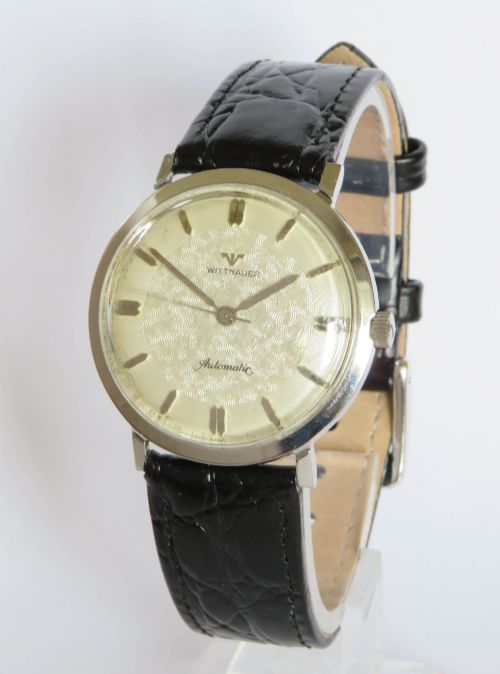
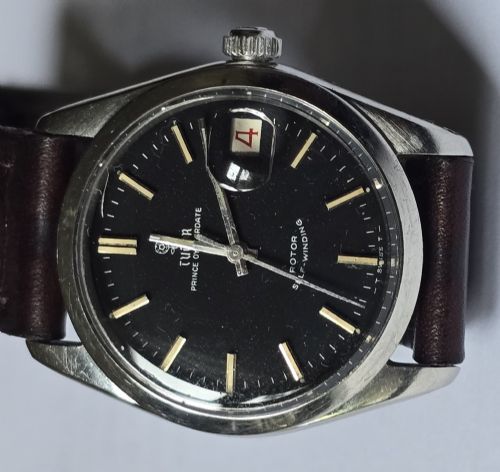
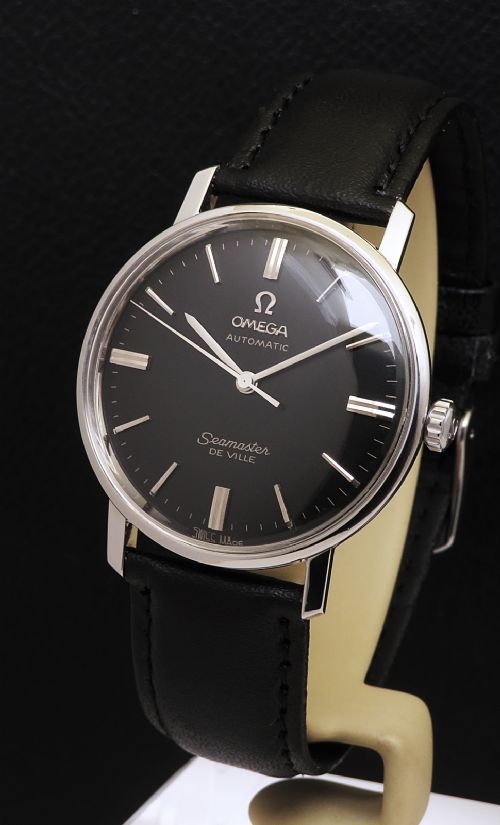
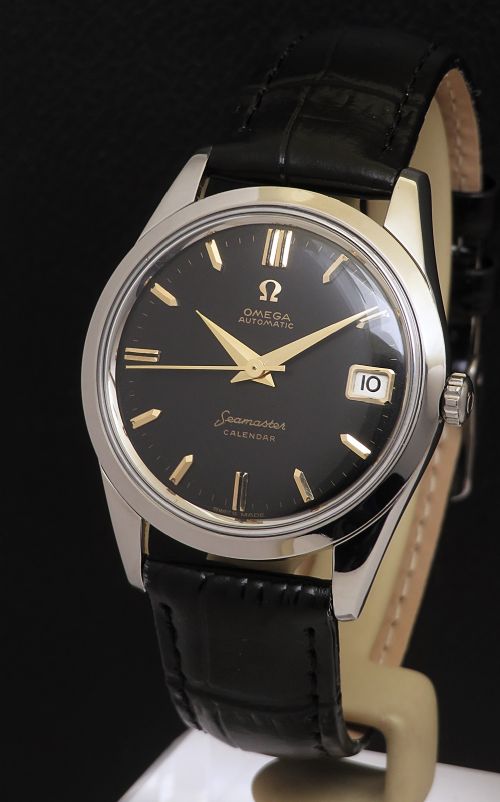
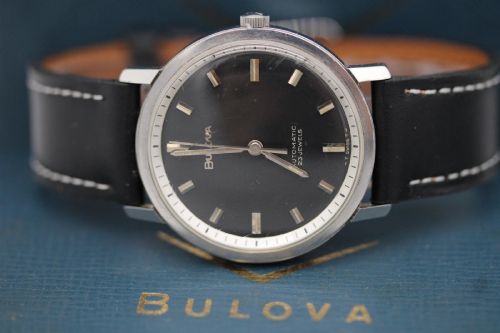
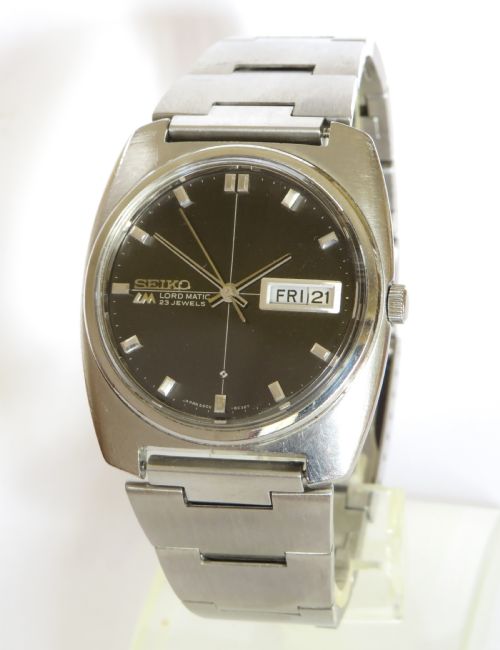
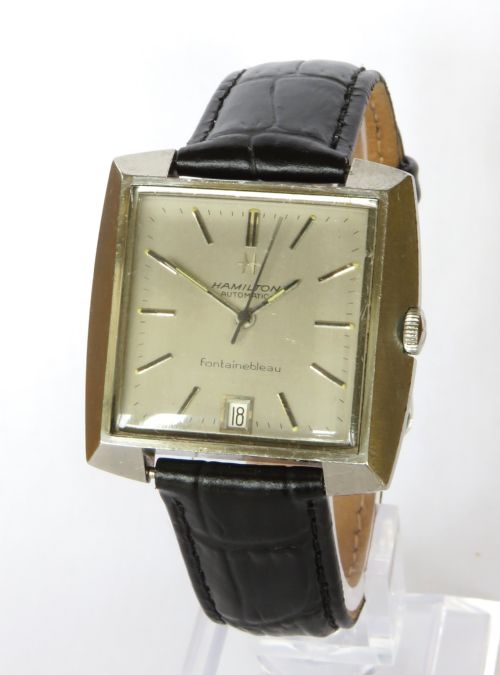
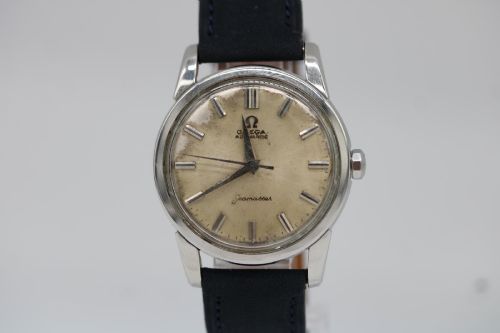
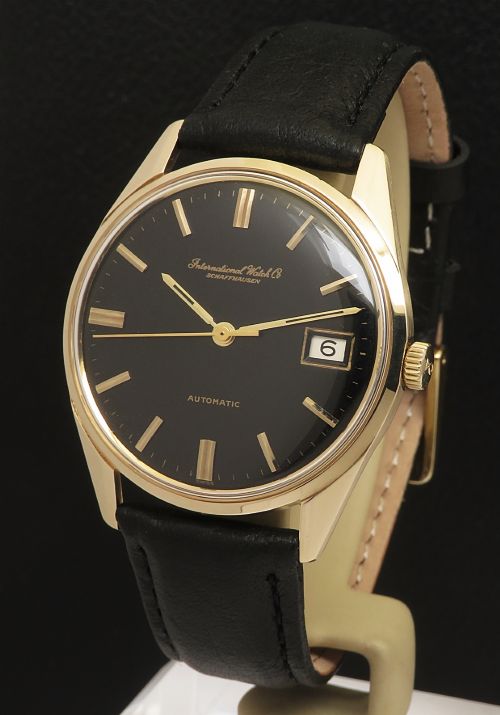
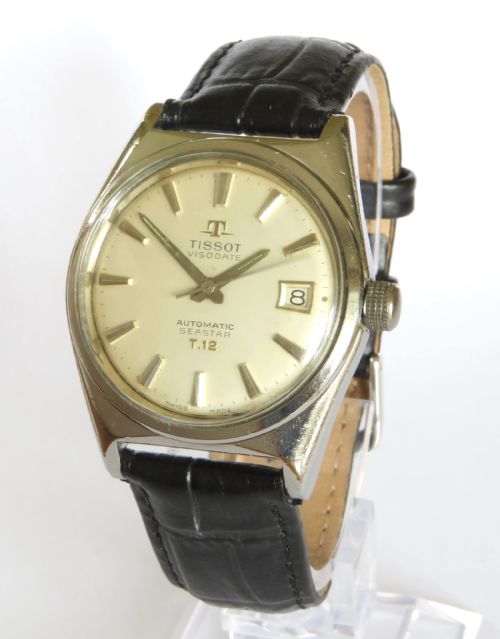
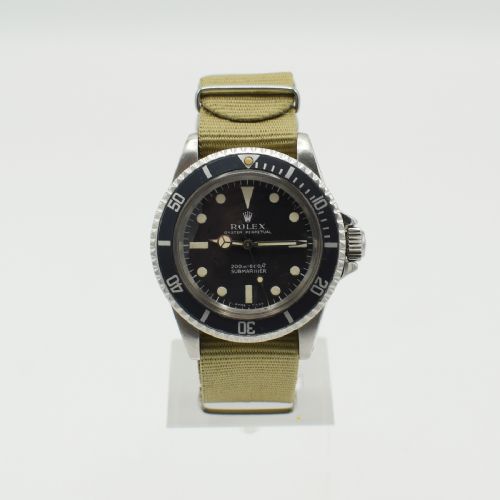
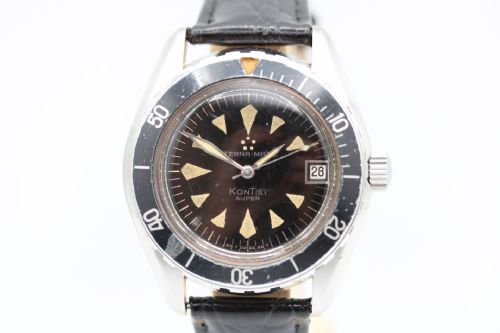

Black Dial Automatic Watch
A black dial automatic watch brings mechanical self-winding movement together with a dark face, offering a distinct mid-century wrist presence.
Black Dial Automatic Watch
A black dial automatic watch combines self-winding mechanical movements with a dark face, appearing primarily across wristwatches from the nineteen-forties through to the nineteen-seventies. These pieces span utility-focused divers and chronometers to dressier calendar pieces, originating from prominent Swiss and international horological workshops.
The selections available here lean heavily into mid-century horology and nineteen-seventies retro designs, showcasing stainless steel or nine-carat gold cases paired with leather or metal straps. Buyers encounter names such as Omega, Tudor, Rolex, IWC, and Hamilton, representing the mechanical developments of the period.
Forms vary from robust waterproof skin divers to refined dress watches featuring distinct dial typography, such as honeycomb textures or smiley curved text. Acrylic and acrylic glass crystals protect these dark faces, preserving the original character of the era.
Materials and construction
Cases utilise stainless steel, solid nine-carat gold, or gold plate to house internal movements, while acrylic and acrylic glass form the domed crystals protecting the dials. Straps commonly consist of leather or fabric to secure the wristwatch to the wrist.
Movements rely on self-winding mechanical calibres, including early bumper weights and later rotor systems that tension the mainspring through natural wrist motion. Dials undergo specialised finishing to achieve deep black tones, often accented with applied metallic markers and printed text.
Black Dial Automatic Watch Retail Price Guide 2026
Typical asking prices for black dial automatic watch among the pieces listed under this phrase on Sellingantiques today, from the lower quarter to the upper quarter. They describe what is for sale here now, not the wider market.
Mid-century horology and nineteen-seventies retro styles dominate the current selection of automatic wristwatches with dark faces.
Factors of quality
Quality rests in the preservation of the dial and the original factory finishing of the case, where crisp edges and untactful polishing distinguish superior examples. Original signed crowns, correct handset styles, and unblemished acrylic crystals elevate a piece significantly.
The mechanical condition and pedigree of the calibre inside dictate the overall standard, with chronometer-grade movements and robust waterproof case designs commanding greater horological interest. Proper alignment of applied markers and clean dial typography separate standard production models from exceptional survivors.
Omega·Tudor·Hamilton·Seiko·Tissot·Rolex·Eterna
The Black Dial Automatic Watch Glossary
- Automatic
- A mechanical watch movement that winds itself using the natural motion of the wearer's wrist via an internal rotor or weight. This system removes the need for daily manual winding.
- Bumper
- An early form of automatic movement where the rotor swings back and forth within a restricted arc, gently striking springs rather than rotating fully. Collectors prize this mechanical quirk for its distinct physical feedback on the wrist.
- Chronometer
- A high-precision watch movement that has been tested and certified to meet strict accuracy standards over several positions and temperatures. Such designations denote superior timekeeping execution.
- Acrylic Glass
- A lightweight, shatter-resistant plastic material used for watch crystals during the mid-century period, easily polished to remove surface scuffs. It provides a warm, domed distortion characteristic of vintage horology.
Black Dial Automatic Watch: Frequently Asked Questions
How do I wind an automatic watch?
An automatic watch winds itself automatically through the motion of your arm while you wear it throughout the day. If the watch has stopped entirely, you simply give the crown a few manual turns to jumpstart the movement before putting it on.
Unlike manual-wind pieces, you do not need to wind an automatic watch every single day if it remains in regular rotation. However, giving it a manual boost after a period of rest ensures the power reserve is fully engaged.
Are these vintage watches waterproof?
Vintage watches should generally be treated as water-resistant at best, regardless of original depth ratings stamped on the case back. Age degrades the rubber gaskets and seals that once kept moisture out.
Even pieces marked for diving or waterproof use require professional pressure testing by a watchmaker before any exposure to water. It is safer to keep vintage wristwatches entirely away from moisture and swimming pools.
What is a bumper movement?
A bumper movement represents an early stage of automatic watch engineering from the mid-twentieth century. Instead of spinning in a full circle, the weighted rotor swings back and forth between two springs.
When wearing a watch with this mechanism, you can feel a gentle tap or bump against your wrist as the rotor moves. This tactile feedback serves as an immediate identifier of early automatic watch technology.
How do I care for an acrylic crystal?
Acrylic crystals are softer than modern sapphire glass, meaning they can pick up light surface scratches during daily wear. Fortunately, these marks are easily buffed out using specialised polishing paste and a soft cloth.
Avoid exposing vintage acrylic to harsh solvents or extreme heat, which can craze or crack the material. Gentle cleaning with a damp cloth keeps the crystal clear and legible.