






Black Ceramic Figure
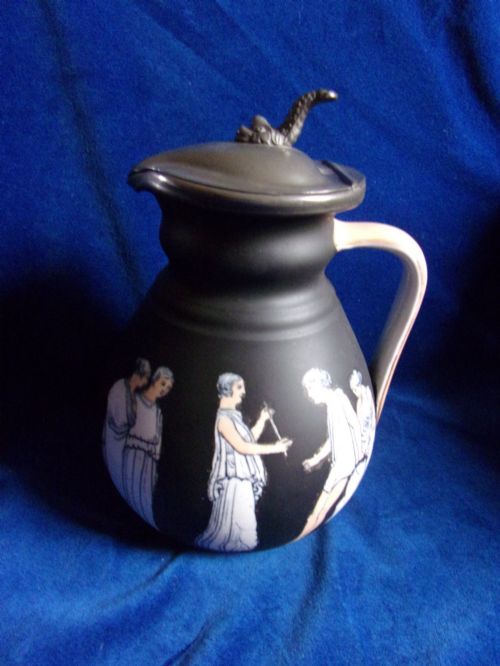
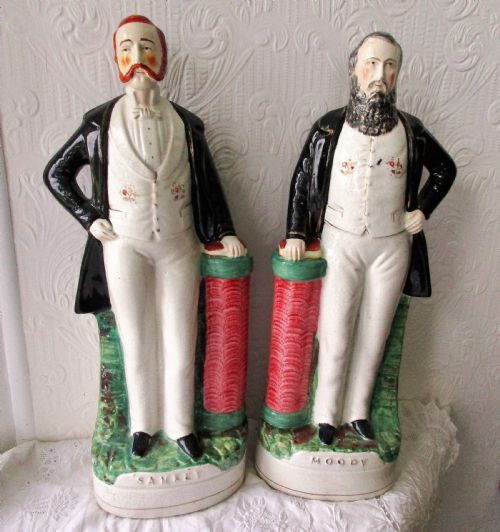
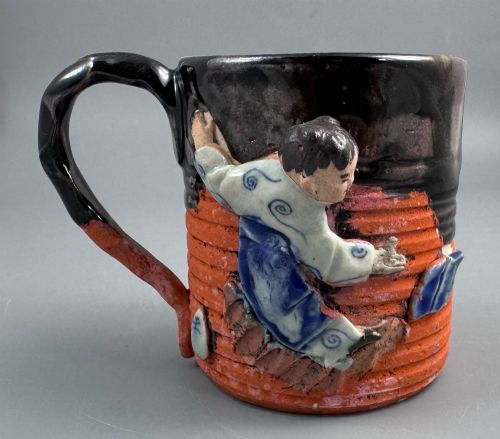
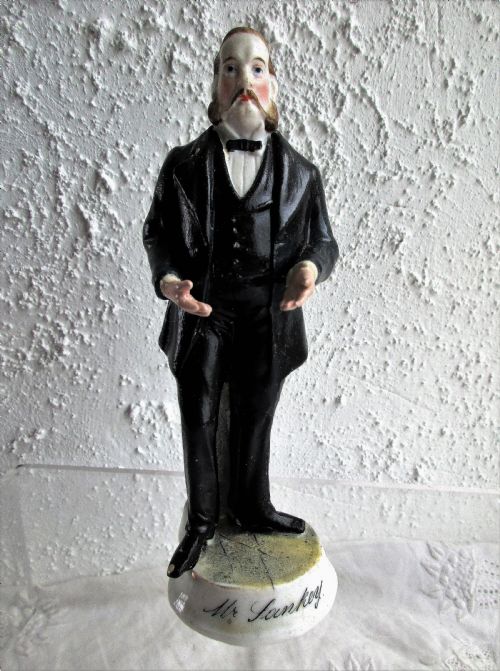
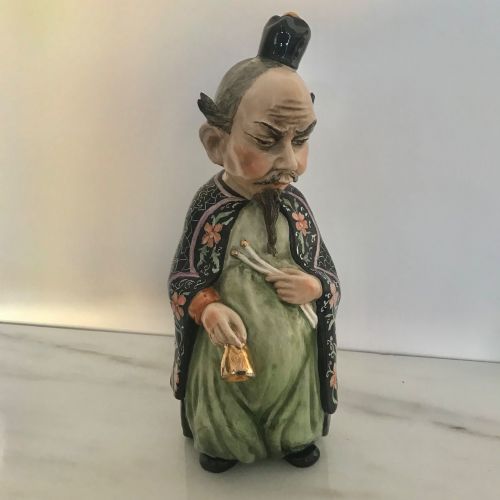
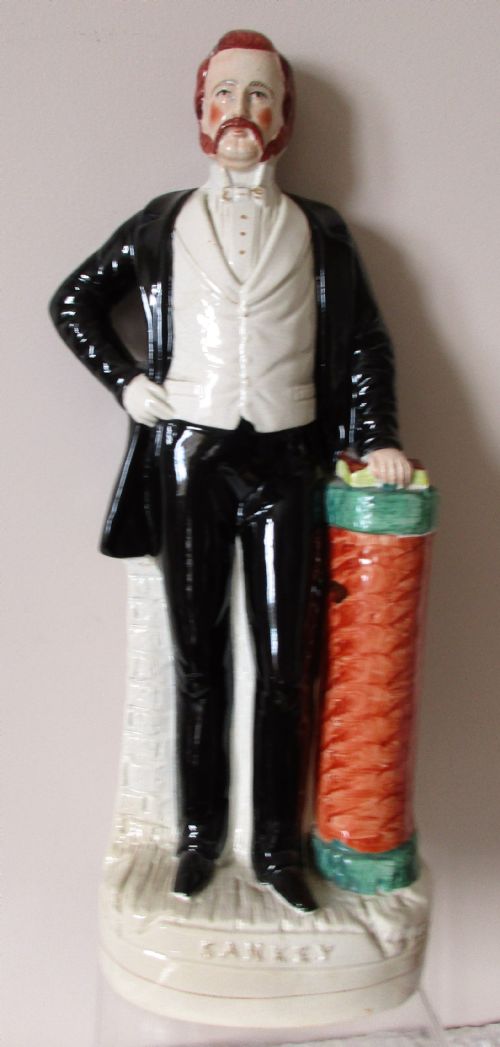
These black ceramic figure pieces range from Victorian Staffordshire pottery to Japanese Sumida Gawa and Art Deco busts, offering solid character for the shelf.
Black Ceramic Figure
A black ceramic figure search brings up a varied selection of pottery, porcelain, and earthenware spanning the nineteenth and twentieth centuries.
You are most likely to meet Victorian Staffordshire portrait figures, continental animal groups, and Japanese ceramics bearing applied figures on this page.
The objects take the form of figurines, sculptural busts, decorative pitchers, and cups created across periods including the Victorian era, Art Deco, and Meiji period.
How they were made
Makers shaped these pieces using earthenware, porcelain, terracotta, and faience, often finishing the surfaces with enamel, glaze, or gold leaf.
Japanese pieces utilise applied sculptural elements on ceramics, while European works rely on moulded pottery painted with enamel or left with a distinct glaze.
Black Ceramic Figure Retail Price Guide 2026
Typical asking prices for black ceramic figure among the pieces listed under this phrase on Sellingantiques today, from the lower quarter to the upper quarter. They describe what is for sale here now, not the wider market.
Listings feature items from the 18th century, Victorian period, Edwardian era, and Art Deco years, utilising earthenware, porcelain, terracotta, and enamel.
What varies in quality
The standard of a black ceramic figure depends on the crispness of the moulding and the control evident in the glaze or enamel work.
Pieces bearing signatures from recognised workshops or studios demonstrate superior detail in the facial expressions and applied decorative elements.
Inoue Ryōsai Workshop·Guido Cacciapuoti·Bohumil Rezl·Samuel Alcock·Beswick
The Black Ceramic Figure Glossary
- Earthenware
- Porous pottery fired at lower temperatures, commonly found in nineteenth-century Staffordshire figures. It requires a glaze to hold liquids.
- Faience
- Tin-glazed earthenware, often associated with French decorative pitchers and large tableware. The opaque glaze provides a smooth white or coloured ground for painting.
- Enamel
- Vitrified glass paste applied to ceramics and fired to add permanent colour. Hand enamel decoration appears frequently on early twentieth-century imported figures.
- Glaze
- A glassy coating fused to ceramic pottery through firing to seal the porous body. It dictates the surface sheen and colour depth of the piece.
- Staffordshire
- Pottery originating from the English region known for commercial production of portrait figures, spaniels, and quill holders during the nineteenth century.
Black Ceramic Figure: Frequently Asked Questions
What is a black ceramic figure?
A black ceramic figure encompasses sculptural pottery, earthenware, and porcelain objects shaped in human, animal, or mythological forms with dark or black surface finishes.
These pieces draw from various traditions, including Victorian English portrait pottery and Japanese Meiji period wares.
How do I identify Victorian Staffordshire pottery?
Victorian Staffordshire pottery figures typically present moulded earthenware bodies with painted enamel details depicting notable people, animals, or literary subjects.
They date primarily from the nineteenth century and carry distinct Staffordshire characteristics such as hollow bases and glazed surfaces.
What is Sumida Gawa pottery?
Sumida Gawa pottery originates from Japan during the Meiji and Taishō periods, identifiable by thick, dripping glazes and applied clay figures.
Makers such as Inoue Ryōsai produced mugs, cups, and vases featuring expressive high-relief characters modelled onto the exterior.
How should I display porcelain figurines?
Porcelain figurines and busts require stable shelving away from direct sunlight and heavy foot traffic to protect delicate glazes and applied elements.
Keeping them in enclosed cabinets helps prevent dust accumulation on detailed surfaces like enamel decoration and gold leaf.
How do I date an antique ceramic figure?
Dating an antique ceramic figure involves examining the base material, glaze characteristics, style of decoration, and any workshop signatures or marks.
Comparing the manufacturing technique against known periods like the Victorian era or Art Deco provides a reliable timeframe.