




Black Carved Wooden Dog
A black carved wooden dog brings distinct personality into a room, blending practical utility with the rustic charm of regional woodcarving.
Black Carved Wooden Dog
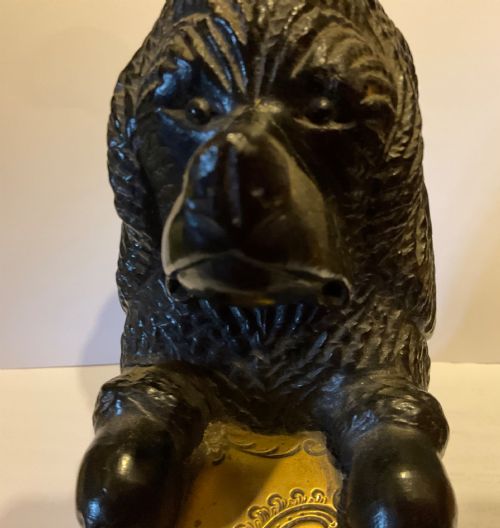
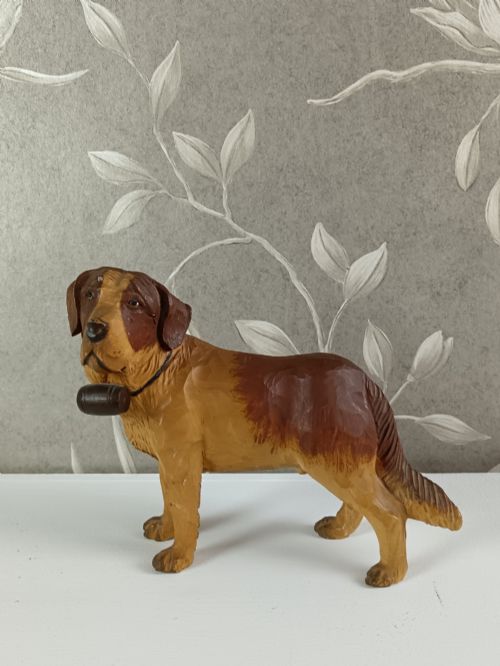
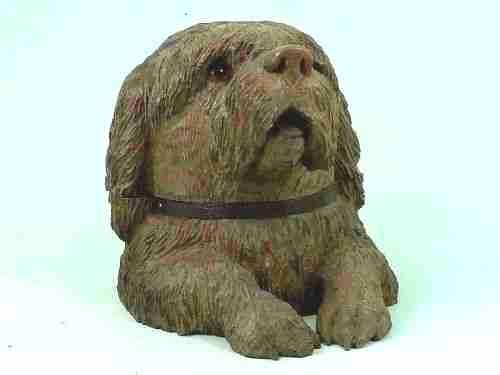
A black carved wooden dog typically takes the form of a functional desk accessory, a figural inkwell, a match holder, or a striking sculptural depiction of various canine breeds.
The pieces appearing for this search span multiple periods, from the late 18th century through the Victorian era and into the 20th century, encompassing diverse traditions including Alpine folk art and Chinese carving.
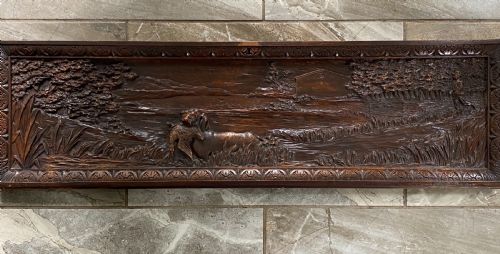
Buyers will encounter utilitarian items designed for domestic spaces, such as tobacco boxes, cigar humidors, bookends, and walking sticks, alongside larger decorative furniture elements like side tables and overdoor panels.
How they were made
Carvers shaped these figures primarily from linden wood, walnut, and various dense timbers using traditional hand-carving chisels and gouges to render realistic fur texture and anatomical detail.
Many examples incorporate contrasting materials, pairing dark carved wood with inserted glass eyes to create a lifelike expression.
Surfaces receive dark stains, paints, or clear protective finishes to accentuate the carved contours and preserve the wood grain.
Some canine sculptures double as cunningly disguised match dispensers, keeping your fireplace supplies guarded by a watchful wooden hound.
What varies in quality
The fidelity of the animal anatomy and the expressive depth of the carving determine the artistic merit, distinguishing finely rendered animal forms from simpler, more rustic interpretations.
The complexity of the object dictates its sophistication, separating straightforward sculptures from intricate functional novelties featuring hinged lids, articulated limbs, or combined desk accessories like inkwells and pen stands.
Maison F. Mack
The Black Carved Wooden Dog Glossary
- Black Forest
- A style of woodcarving originating from the mountain region of central Europe, renowned for realistic animal sculptures and novelty items. These pieces frequently depict dogs, bears, and other wildlife.
- Inkwell
- A small container for holding liquid ink, commonly integrated into desk sets and heavily featured in nineteenth-century dog carvings. They often include hinged wooden lids shaped as canine heads.
- Foo dog
- A traditional Chinese guardian lion depicted in sculptural form, often fashioned from carved wood in pairs. They serve a protective symbolism distinct from domestic canine carvings.
- Humidor
- A specially designed box or container used for storing cigars at a controlled humidity. Carved wooden examples often utilise sporting or canine motifs on the exterior lid.
Black Carved Wooden Dog: Frequently Asked Questions
What were these wooden dogs used for?
Many of these carved figures served practical domestic functions, housing ink for writing, matches for lighting fires, or tobacco for smoking.
Others functioned purely as decorative sculptures, bookends, walking cane handles, or structural furniture elements within nineteenth-century interiors.
How can I tell the period?
Dating relies on examining the carving style, the type of timber used, and the functional hardware such as brass hinges or glass inserts.
Victorian and nineteenth-century examples often display deep naturalistic texturing associated with European regional workshops.
Are all these pieces from Europe?
While the majority originate from European carving traditions, particularly the Swiss and German regions associated with Alpine folk art, Asian traditions are also represented.
Chinese carved wood foo dogs from the eighteenth and nineteenth centuries appear alongside the European canine sculptures.
How should I care for carved wood?
Maintain these pieces in stable indoor conditions away from direct heat sources and strong sunlight to prevent the timber from drying out or splitting.
Dust gently with a soft brush and avoid applying modern chemical polishes that might alter the historic surface finish.