



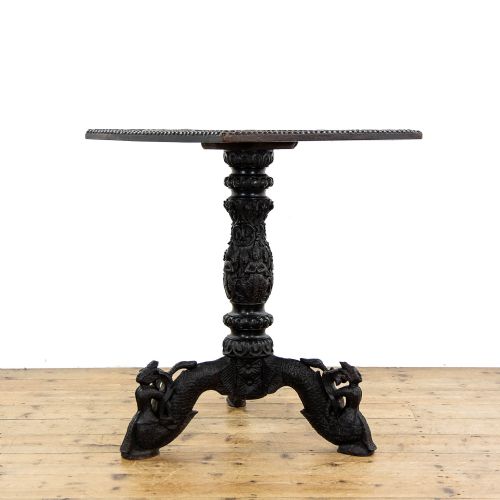


Black Carved Accent Table
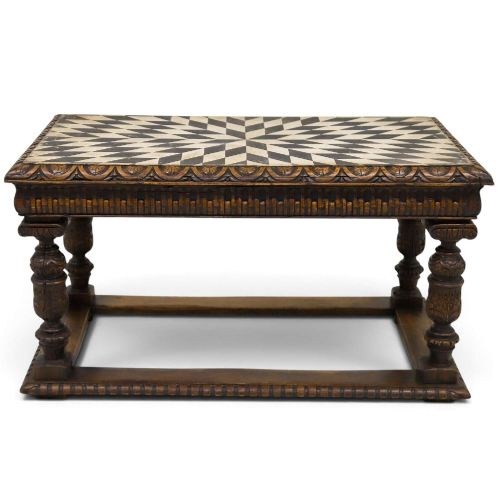
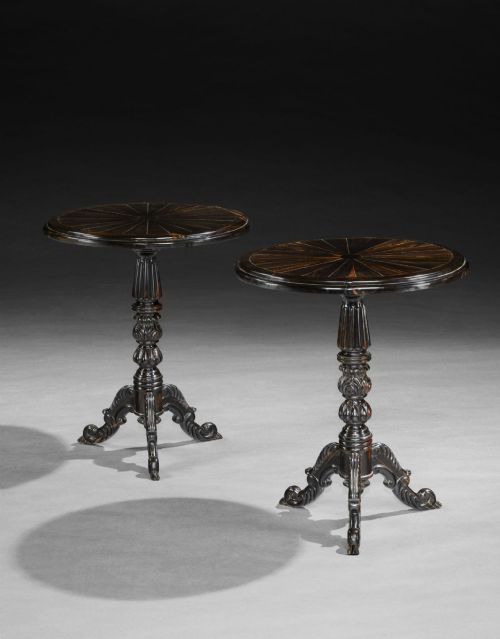
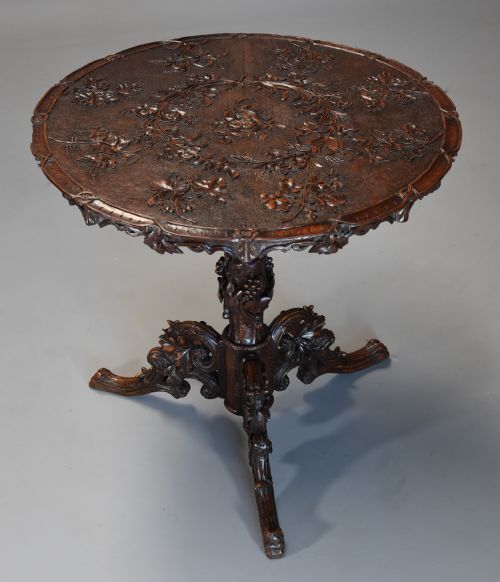
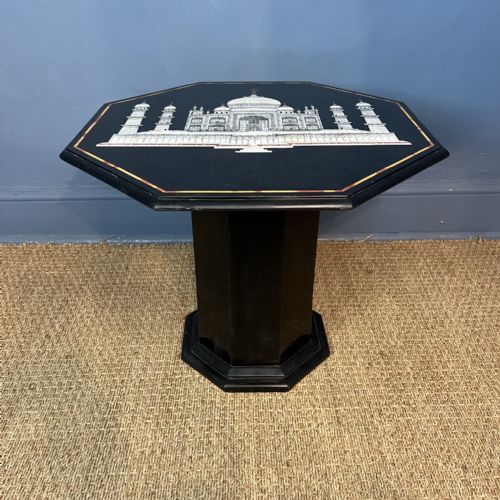
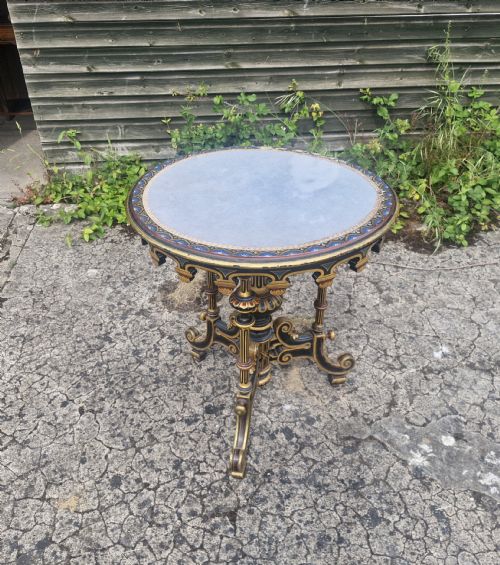
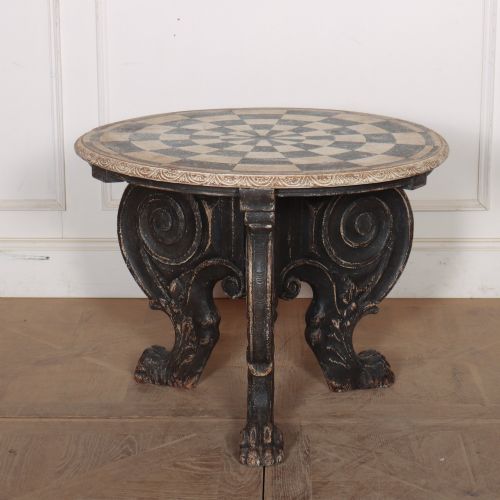
These black carved accent table pieces bring dark timber and intricate chisel work into a room.
Black Carved Accent Table
A black carved accent table encompasses small occasional surfaces, side pieces, and plant stands built from dark or ebonised timber.
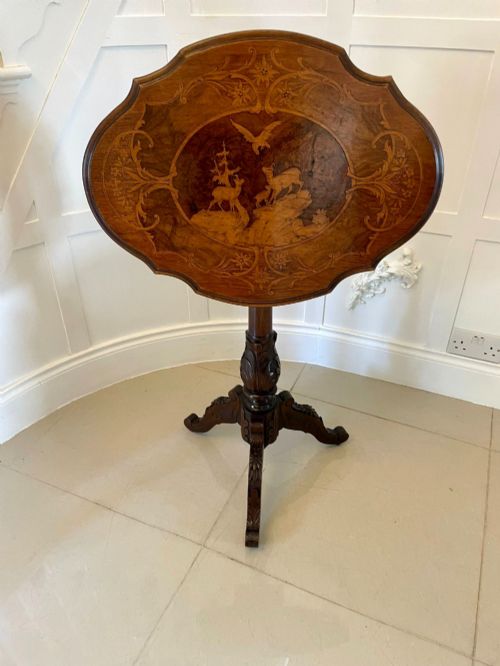
The selections span Victorian, 19th Century, and early 20th Century periods, incorporating styles from Black Forest to Anglo-Indian Colonial.
Forms range from folding side tables and console tables to centre tables and jardiniere stands.
Materials and construction
Items utilise woods such as oak, teak, linden wood, and hard hardwoods finished with paint, lacquer, or ebonised treatments.
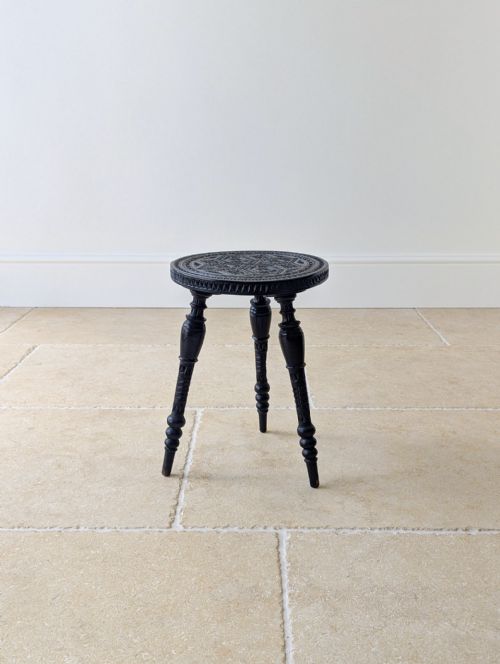
Decoration relies on chip carving, relief work, and occasional bone inlay or black marble inserts.
Black Carved Accent Table Retail Price Guide 2026
Typical asking prices for black carved accent table among the pieces listed under this phrase on Sellingantiques today, from the lower quarter to the upper quarter. They describe what is for sale here now, not the wider market.
Elephants carved from timber support several of these small tables.
Judging quality in carved surfaces
Depth and precision in chip carving and naturalistic detail separate standard examples from finer works.
The integration of applied finishes like lacquer and ebonisation dictates the visual depth of the surface.
Liberty of London
The Black Carved Accent Table Glossary
- Chip carving
- A method of removing small triangles of wood from a flat surface to create geometric patterns. This technique appears frequently on side tables.
- Ebonised
- Wood treated with a chemical or stain to resemble ebony. It gives lighter timbers a dense, uniform dark finish.
- Jardiniere stand
- A tall piece designed to hold a plant pot. These share construction traits with standard occasional tables.
- Black Forest
- A style originating in Germany known for naturalistic wood carving featuring flora and fauna. Linden wood is typical of this tradition.
Black Carved Accent Table: Frequently Asked Questions
What periods do these tables represent?
The pieces span the eighteenth century through to the 1930s. Victorian and early twentieth-century examples appear frequently.
Craftsmanship styles range from Anglo-Indian and Oriental to Black Forest and Gothic Revival.
How were these tables used originally?
These occasional surfaces served multiple domestic functions in period interiors. They acted as lamp tables, plant stands, or side tables for displaying ornaments.
Folding versions allowed for flexible placement and easy storage when not in use.
What woods and finishes appear on these pieces?
Construction relies on various timbers including oak, teak, and linden wood. Surfaces are frequently ebonised, painted, or finished with dark lacquer.
Some examples incorporate bone inlay or marble panels to accent the dark timber.
How do regional styles differ?
Anglo-Indian and Burmese pieces often feature dense surface carving and elephant motifs. Black Forest items display naturalistic linden wood carving with foliage.
Japanese and Oriental examples introduce distinct geometric patterns and lacquered surfaces.