



Black Bookshelf
A black antique bookshelf brings dark, striking timber and period craftsmanship directly into a room, offering both practical storage and strong visual presence.
Black Bookshelf
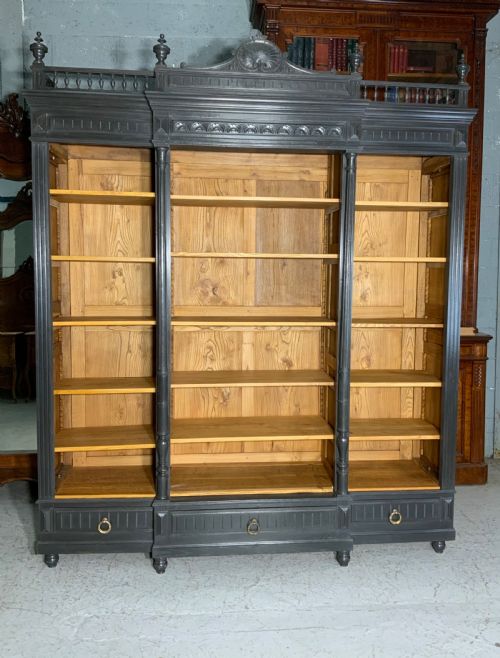
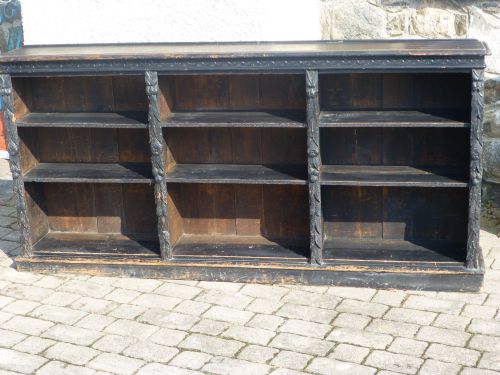
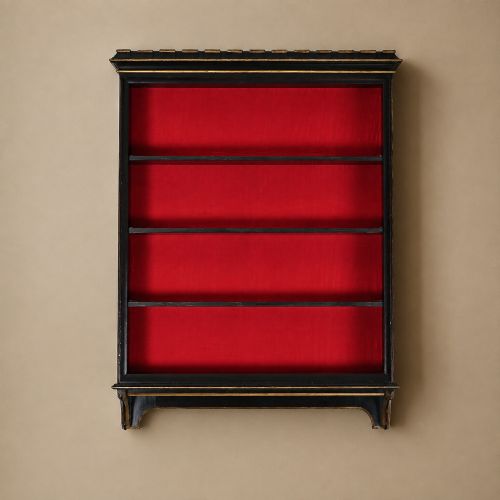
A black antique bookshelf encompasses dark wood shelving units, wall bookcases, and low open dwarf cabinets dating from the nineteenth century to the early twentieth century. These items appear in styles such as Victorian, Gothic Revival, Art Deco, and French Provincial, reflecting varied decorative tastes across different decades.
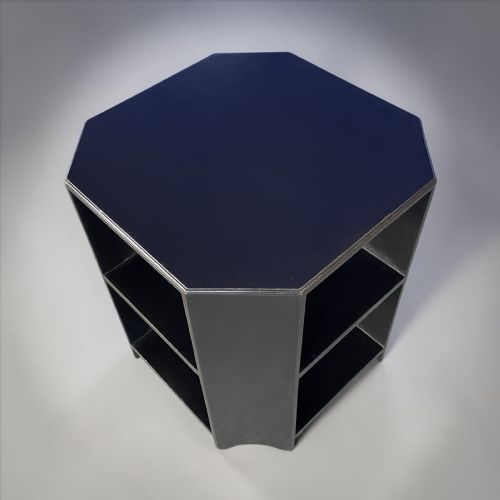
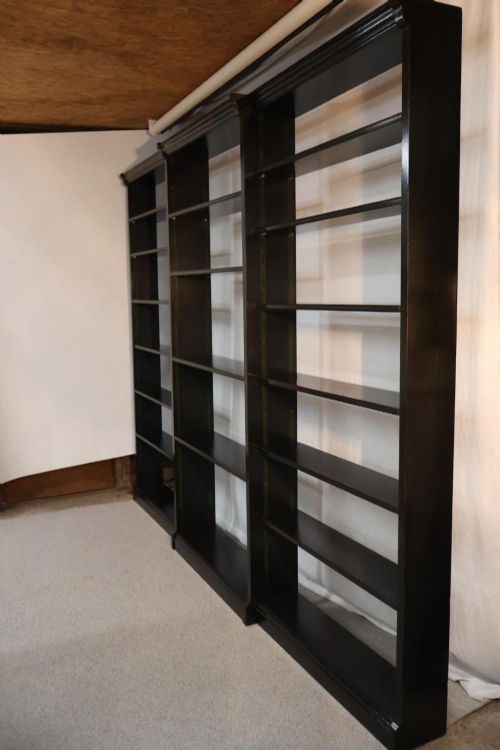
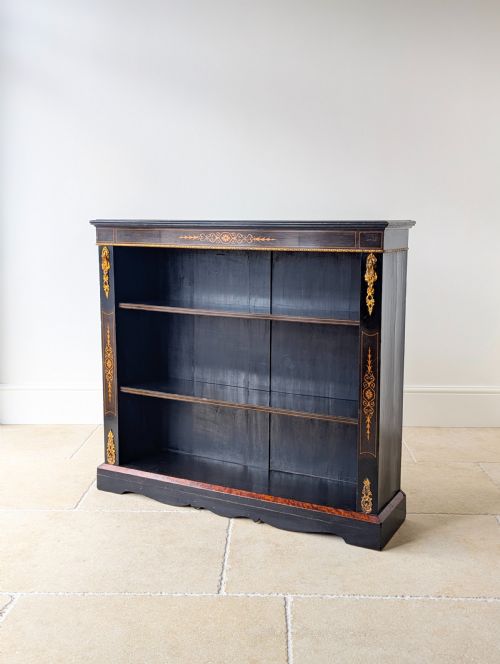
The version most commonly met on this page is the ebonised open bookcase, often constructed with adjustable shelves and occasionally featuring brass mounts or inlaid details. Alongside these larger pieces, related items like bookends and small side tables also surface within the selection.
How they were made
Construction relies heavily on timber such as pine, oak, and general timber treated with an ebonising process to achieve a deep, dark finish. Craftsmen utilised carving techniques to add decorative elements like green man motifs, alongside inlay work to enhance surface texture.
Many examples incorporate brass mounts for structural reinforcement and visual contrast against the dark wood surfaces. Joinery methods of the period ensured stable open shelving and robust frames capable of holding heavy volumes.
Black Bookshelf Retail Price Guide 2026
Typical asking prices for black bookshelf among the pieces listed under this phrase on Sellingantiques today, from the lower quarter to the upper quarter. They describe what is for sale here now, not the wider market.
A solitary pair of carved wooden elephants stands ready to hold up a row of heavy volumes.
What varies in quality
Quality differences emerge in the execution of the ebonising and the refinement of the carved details, where hand-tooled ornament commands greater interest than plain surfaces. The choice of underlying timber, such as solid oak versus softer woods, also distinguishes finer pieces.
Hardware integration, including the quality of brass mounts and the precision of inlaid work, marks the distinction between standard utilitarian items and higher-status workshop productions.
George Edmund Street
The Black Bookshelf Glossary
- Ebonised wood
- Timber treated with a dark finish to imitate ebony wood. This technique gained significant popularity during the Victorian period for achieving a formal, dark appearance.
- Gothic Revival
- An architectural and decorative style drawing inspiration from medieval forms. Pieces in this style often feature pointed arches, heavy carving, and sombre dark finishes.
- Breakfront
- A piece of furniture with a central section that projects forward from the flanking sections. This configuration adds architectural depth to large bookcases.
- Dwarf bookcase
- A low shelving unit designed to sit below window height. These pieces kept books within easy reach while leaving wall space above clear.
Black Bookshelf: Frequently Asked Questions
What periods do these bookcases span?
The selections generally date from the nineteenth century through to the early decades of the twentieth century. This encompasses Victorian production, Gothic Revival movements, and later Art Deco examples.
Each period brings distinct construction methods and stylistic ornaments, ranging from heavy medieval revival carvings to cleaner twentieth-century lines.
How do I identify ebonised wood?
Ebonised wood is timber that has been stained, painted, or chemically treated to simulate the dark, dense grain of natural ebony. Close inspection often reveals the underlying wood grain beneath the black surface.
This finish was widely utilised on nineteenth-century furniture to create an appearance of high cost and formal elegance.
Are the shelves adjustable?
Many open bookcases from this era feature adjustable shelving supported by wooden ratchets or metal pins. This allowed owners to alter shelf heights to accommodate varying sizes of bound volumes.
Not all pieces include this feature, as smaller cabinets often have fixed internal partitions.
How should I care for ebonised surfaces?
Maintenance requires dusting with a soft, dry cloth to prevent particulate buildup on the dark finish. Avoiding excessive moisture and direct sunlight protects the treated timber from fading or warping over time.
Application of mild furniture wax can help preserve the sheen of the black surface.