
Black Bench
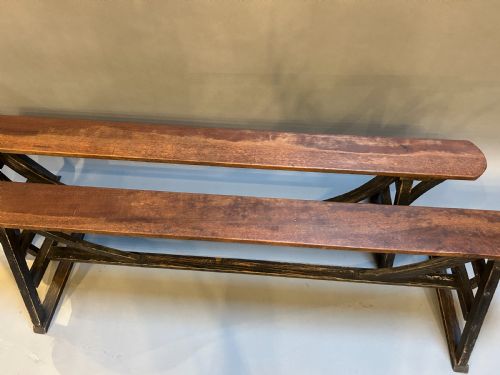
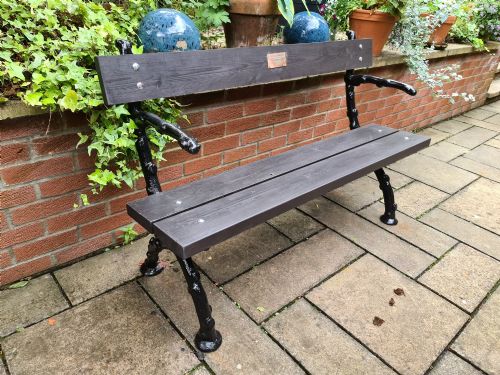
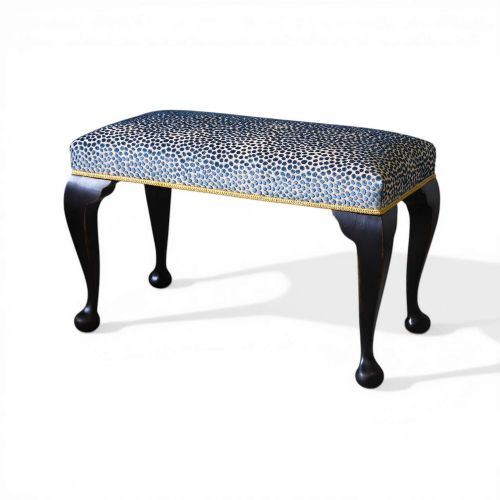
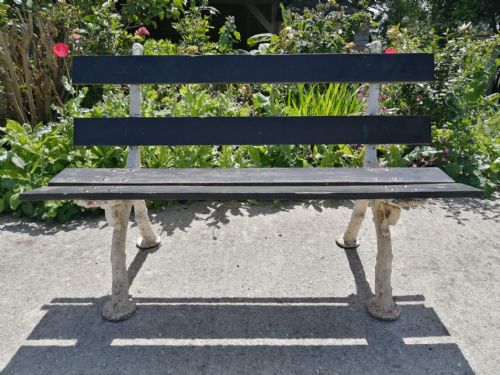
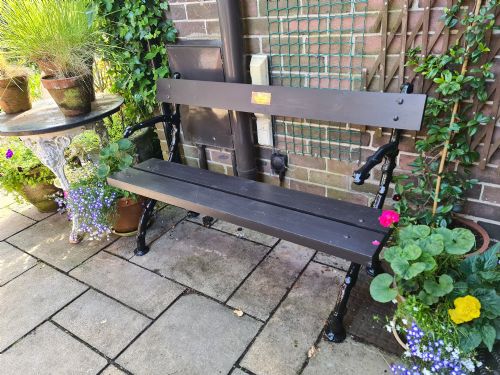
A black antique bench brings dark timber, cast iron or painted surfaces into a hallway, garden or parlour.
Black Bench
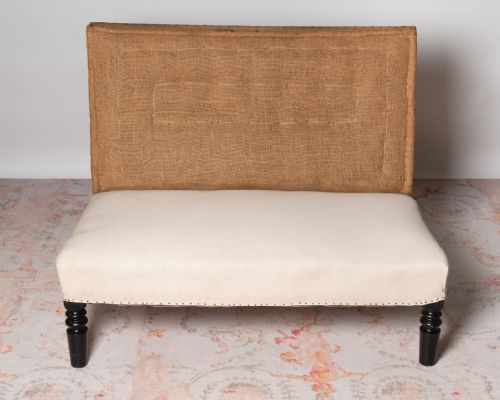
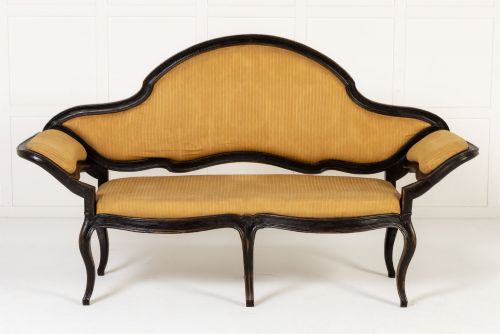
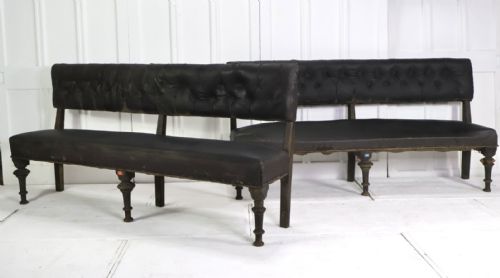
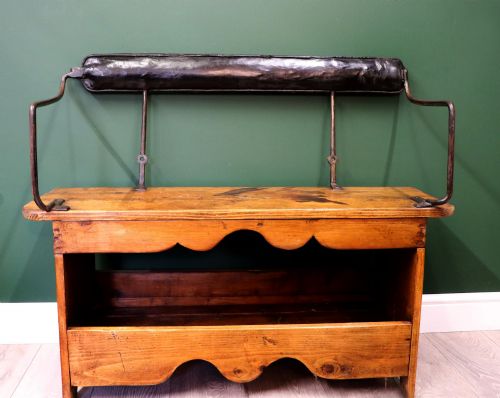
A black antique bench covers seating forms ranging from heavy garden benches and park seats in cast iron to interior hall benches, window seats, and ebonised salon furniture. When searching for a black antique bench, buyers encounter pieces spanning the nineteenth century, Victorian, Edwardian, and Black Forest periods.
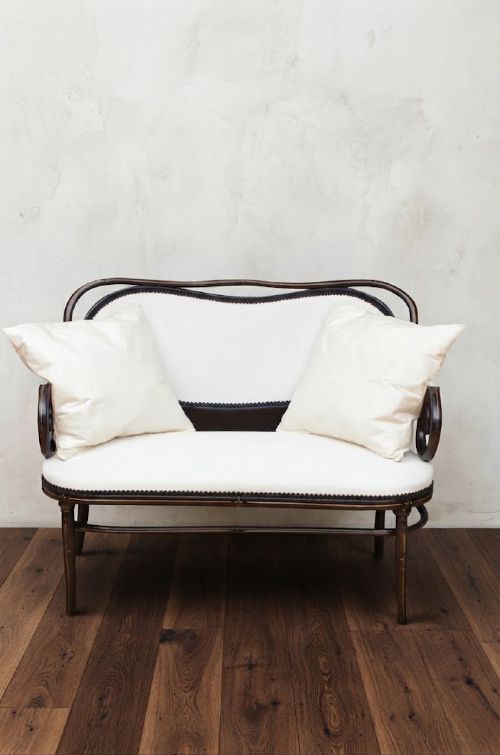
The selection includes rustic pattern cast iron garden benches, carved wood hall benches, ebonised bentwood settees, and painted pine window seats. These pieces function variously in porches, gardens, bedrooms, and reception halls as practical seating.
Makers and origins cross England, France, Germany, Hungary, and Italy, utilising styles from Victorian Gothic and Aesthetic Movement to Louis XV Revival and rustic naturalism.
Materials and construction
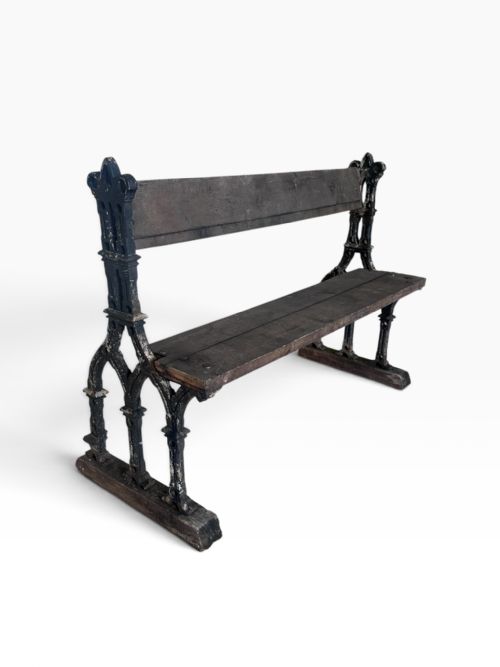
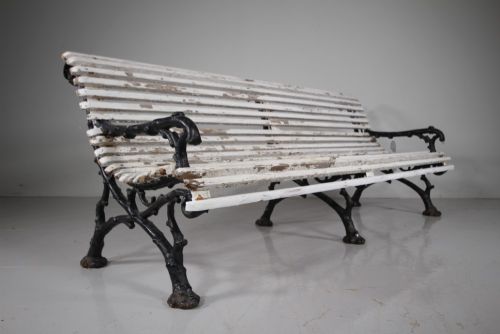
Construction relies heavily on cast iron, wrought iron, and steel for outdoor garden benches, often combined with timber slats or formed entirely in metal patterns such as faux bois or rustic branches.
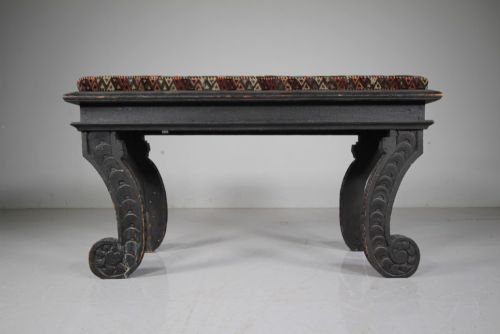
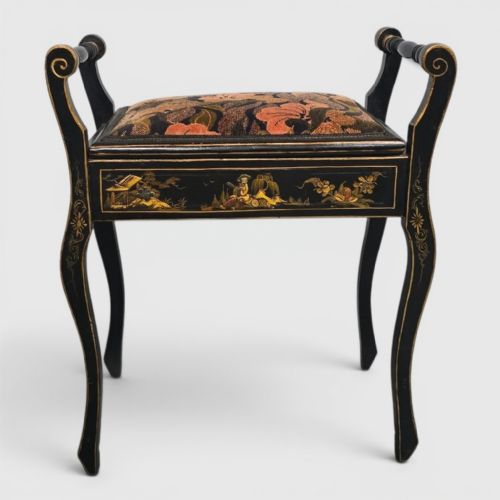
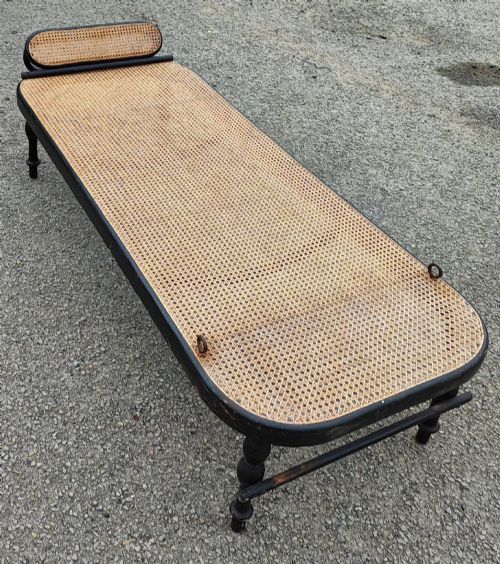
Interior seating employs hardwoods like oak, mahogany, and pine, alongside bentwood, cane, and turned supports, frequently finished with ebonised polish, paint, or gilding.
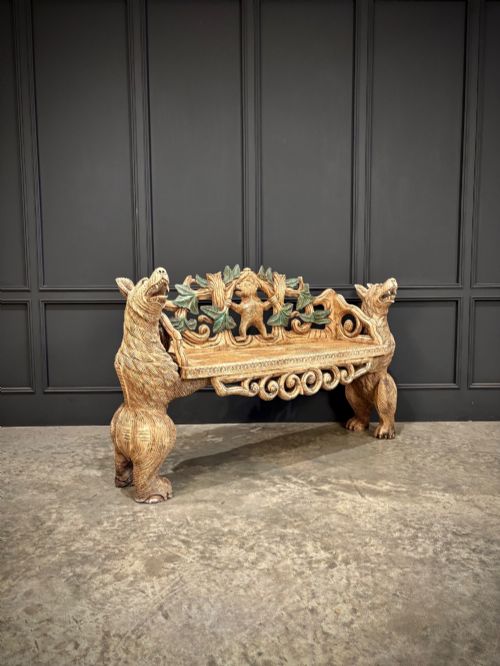
Several bears carved from timber stand ready to share a seat in the hallway.
Quality and craftsmanship
Quality rests on the crispness of the original casting in iron pieces, such as detailed foliage or animal carvings found in Black Forest and Coalbrookdale examples, versus worn or pitted secondary castings.
On wooden pieces, the integrity of the ebonising, the tightness of joinery in turned legs and frames, and the retention of original painted surfaces or canework define the better examples.
Thonet·Coalbrookdale·Trussant And Cie
The Black Bench Glossary
- Ebonised
- Wood stained or painted to imitate ebony. This finish gained popularity during the Victorian and Aesthetic periods for decorative furniture.
- Faux bois
- Imitation wood. Makers cast iron to mimic natural logs, branches, and rustic tree growth.
- Canework
- Woven rattan or cane applied to seats and backs. It provides flexible, lightweight support on chairs and daybeds.
Black Bench: Frequently Asked Questions
Where should I place a cast iron garden bench?
Cast iron garden benches suit outdoor lawns, patios, and sheltered porch spaces where their heavy metal frames withstand weather.
They pair well with natural stone paving or garden shrubbery.
How do I care for ebonised wood?
Ebonised surfaces require gentle dusting with a soft dry cloth and protection from direct sunlight and excessive moisture.
Avoid chemical polishes that can lift the dark finish.
What is the difference between a hall bench and a window seat?
Hall benches are typically upright, rigid wooden seats placed in entryways for removing shoes and outer garments.
Window seats are lower, often upholstered or cushioned benches designed to fit beneath window sills.
How do I identify a Black Forest bench?
Black Forest benches feature deeply carved animal figures, most notably bears, integrated into the wooden structure of the backrest or arm supports.
These pieces originate from the nineteenth and early twentieth centuries in central Europe.