

Black and Gold Portrait
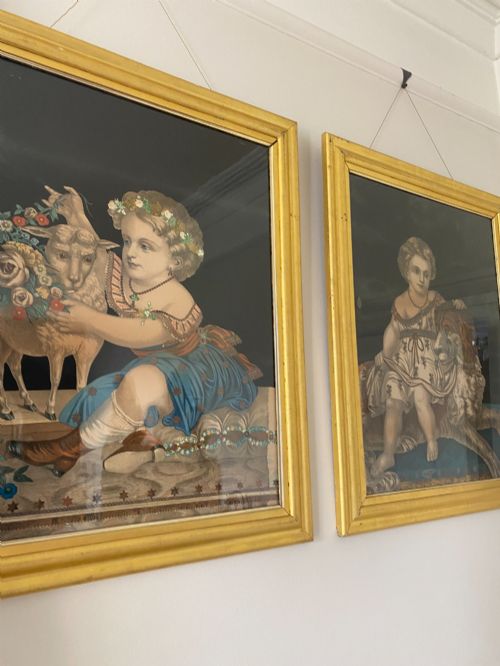
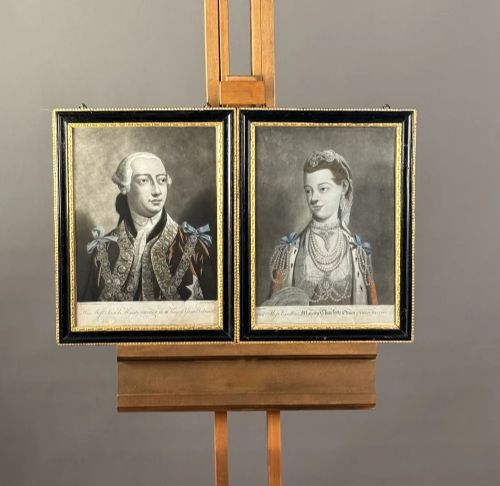
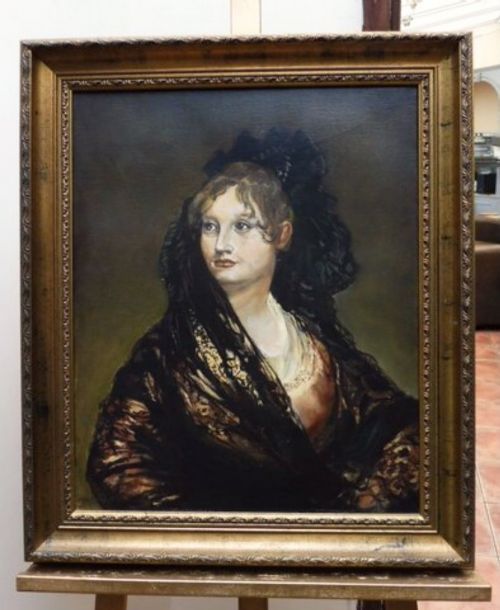
A black and gold portrait brings together dark tones and gilded framing, offering a striking display of historic faces and figures.
Black and Gold Portrait
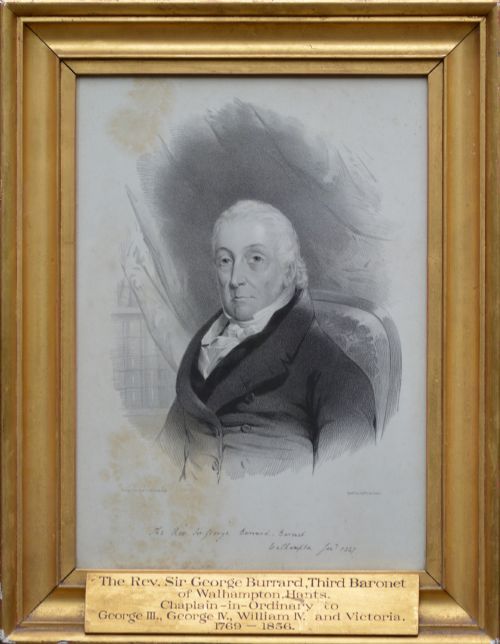
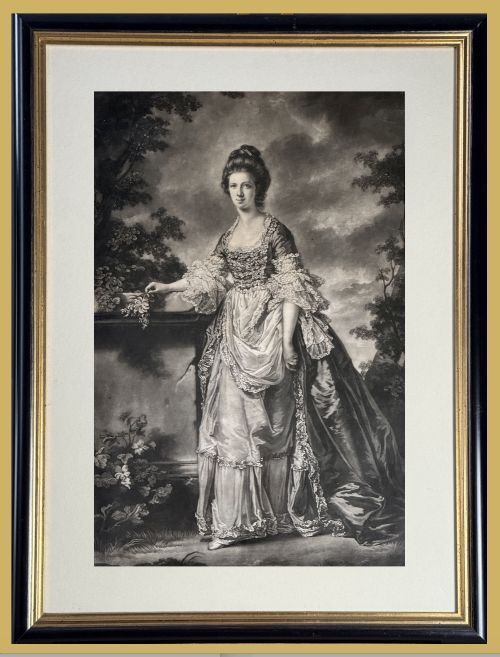
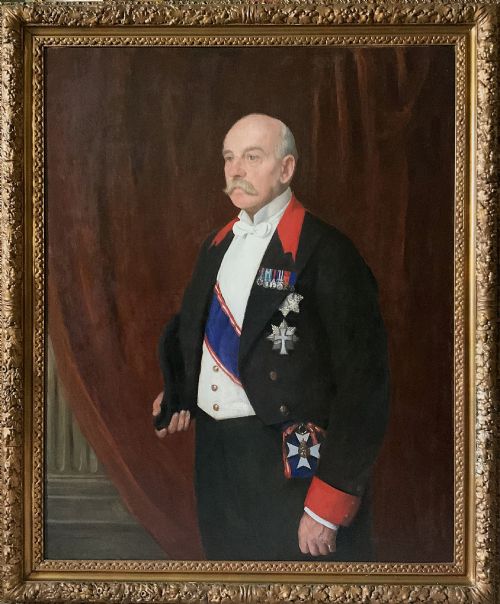
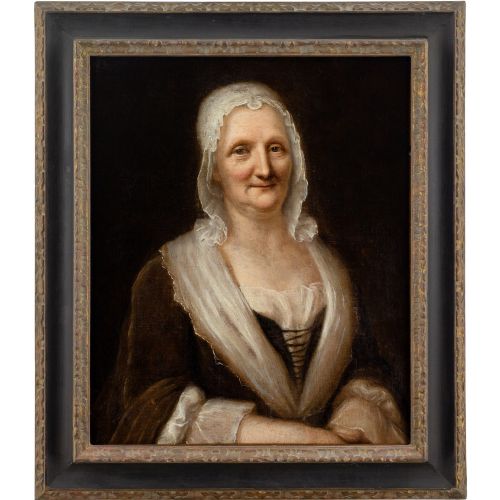
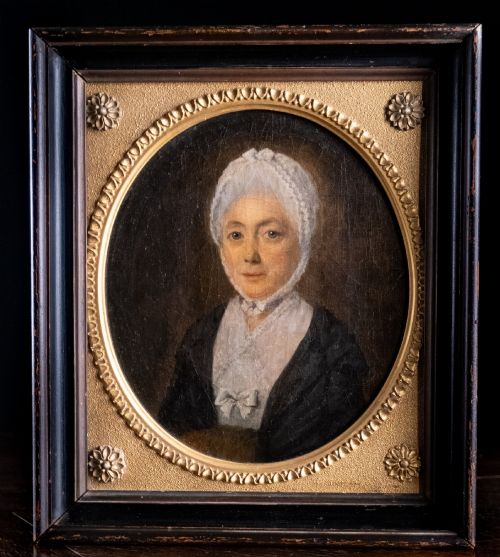
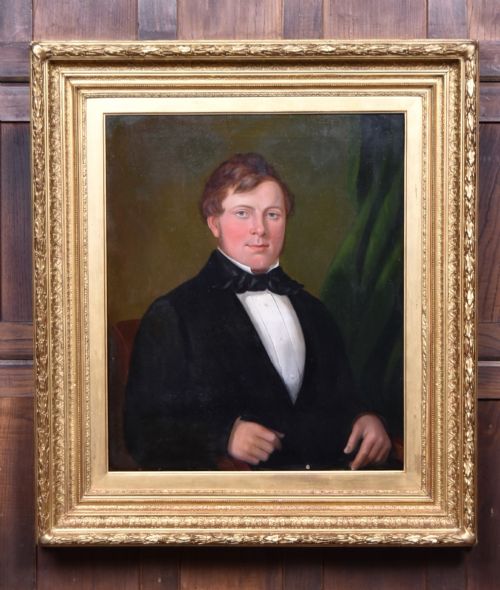
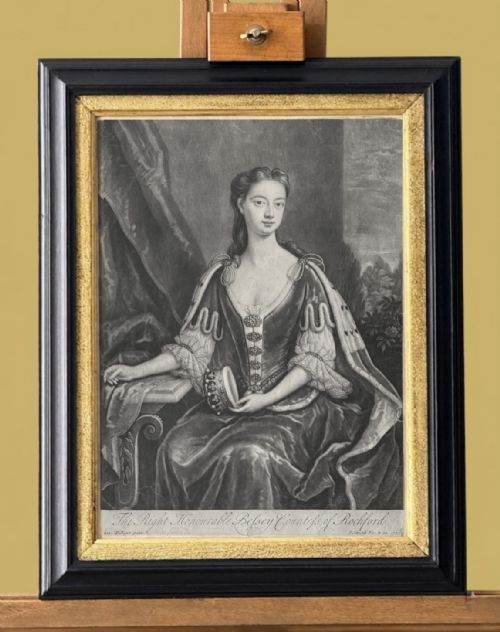
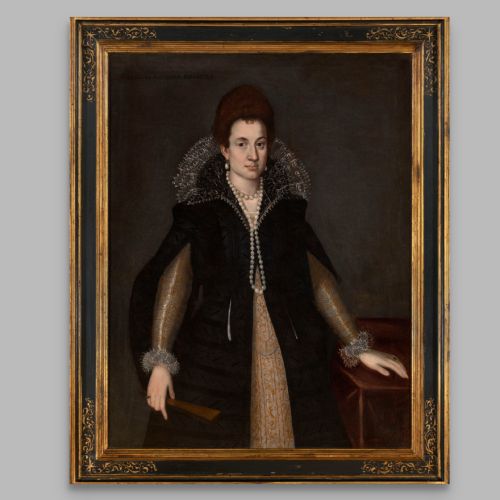
When you search for a black and gold portrait, you encounter oil paintings, mezzotints, engravings, and portrait miniatures spanning several centuries from the seventeenth to the twentieth.
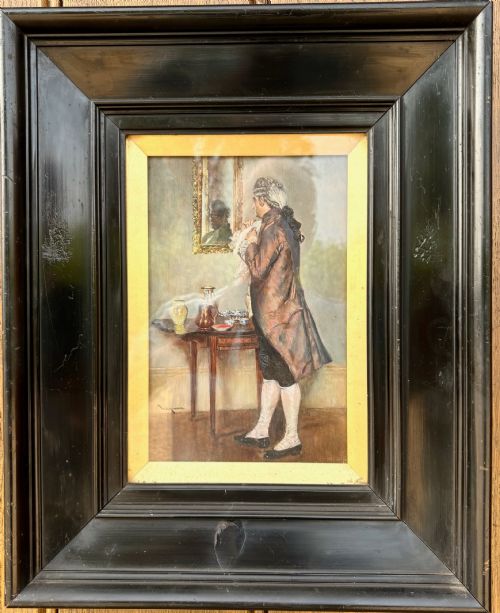
Many examples pair dark garments or moody backgrounds with ornate gilt wood or gold leaf frames, creating strong visual contrast.
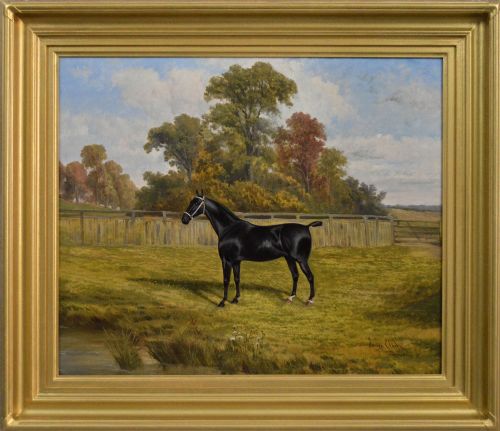
The subjects range from seventeenth-century nobility and eighteenth-century royalty to Victorian children, military officers, and domestic animals.
Materials and construction methods
Painters utilised oil on canvas or panel, layering rich dark pigments alongside gold leaf highlights to illuminate collars, jewellery, and trims.
Printmakers created mezzotints and engravings on paper, frequently housed within rosewood or Hogarth frames accented with gilt moulding.
Gilding techniques applied thin sheets of gold to carved wood frames, establishing the luminous borders characteristic of these works.
Black and Gold Portrait Retail Price Guide 2026
Typical asking prices for black and gold portrait among the pieces listed under this phrase on Sellingantiques today, from the lower quarter to the upper quarter. They describe what is for sale here now, not the wider market.
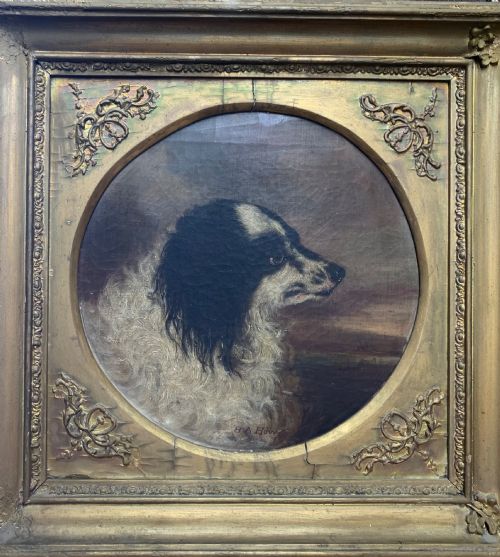
Several portraits feature stiff Victorian children accompanied by intensely loyal spaniels peering out from dark backgrounds.
Distinctions in craftsmanship and preservation
The integrity of the original gilt frame and the condition of the canvas or paper surface influence the overall character of the piece.
Signatures by documented artists or skilled printmakers elevate historical importance compared to anonymous works.
Sir Peter Lely·Thomas Frye·James Watson·Henri Fradelle·John Miers·John Frederick Herring Senior
The Black and Gold Portrait Glossary
- Mezzotint
- A printmaking process where the copper plate is roughened to achieve rich dark tones and subtle gradations of light. This technique gained popularity in the eighteenth century for reproducing oil paintings.
- Giltwood
- Wood that has been coated with a thin layer of gold leaf or powder. It provides a durable, reflective surface for period picture frames.
- Portrait miniature
- A small, highly detailed painting executed on vellum, card, or ivory, often housed in a protective case or frame. These portable works required fine brushes and steady execution.
- Intaglio
- A gem or stone carved with a design that sits below the surface, commonly set into rings. Light catches the recessed carving to define the image.
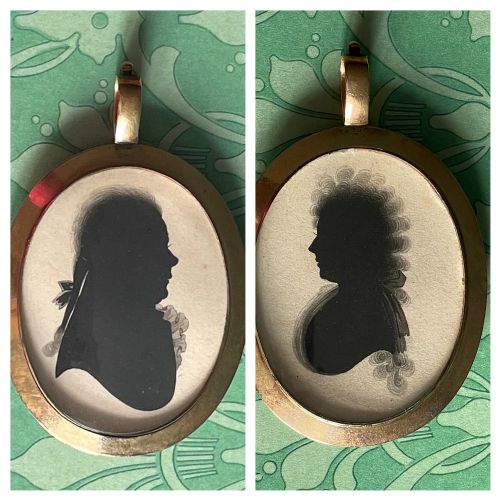
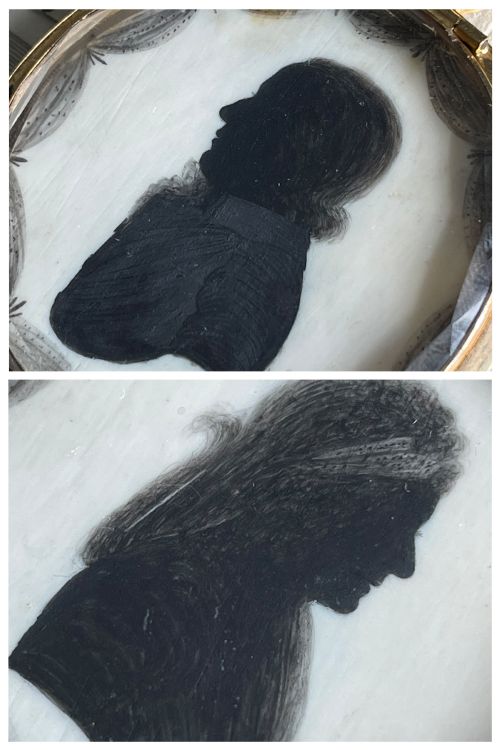
- Silhouette
- A profile portrait filled in with a solid dark colour, frequently painted on plaster or paper. John Miers and John Smith produced notable examples during the eighteenth century.
Black and Gold Portrait: Frequently Asked Questions
What periods do these portraits cover?
The selections span from the seventeenth century through the Georgian, Victorian, and Edwardian eras into the mid-twentieth century.
This broad timeline incorporates shifting artistic movements, from Baroque interpretations to nineteenth-century romantic revivals.
How should I display a gilt-framed artwork?
Position the piece away from direct sunlight and excessive humidity to protect both the painted surface and the delicate gold leaf on the frame.
Ensure wall fixings are rated securely for the combined weight of the wood, glass, and canvas.
Are all the subjects human?
While many depict nobility, actors, and politicians, several works feature domestic animals and sporting dogs.
Artists frequently painted prized pointers, spaniels, and family pets using the same serious oil techniques applied to human sitters.
What is the difference between an engraving and a mezzotint?
An engraving uses incised lines cut into a metal plate with a burin to form the image. A mezzotint works from dark to light by roughening the plate to hold ink before scraping highlights away.
Mezzotints yield velvety dark backgrounds that complement gilded frames.