
Black and Gilt Frame
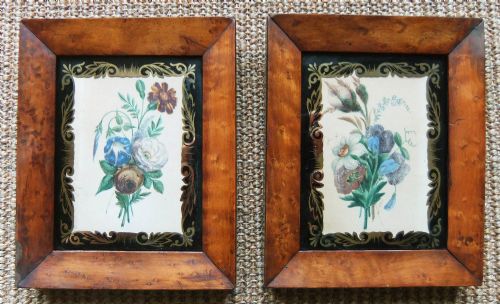
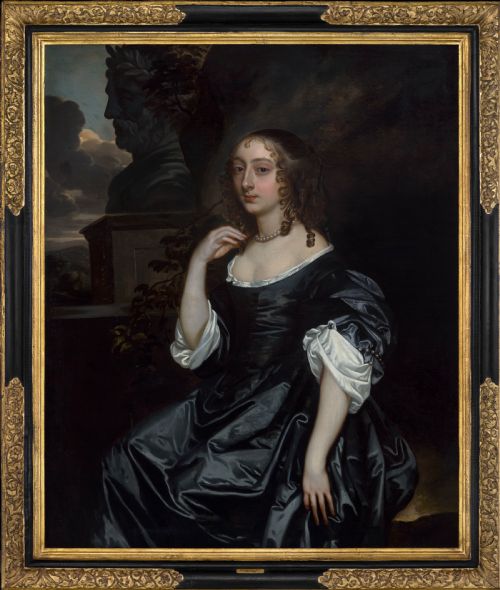
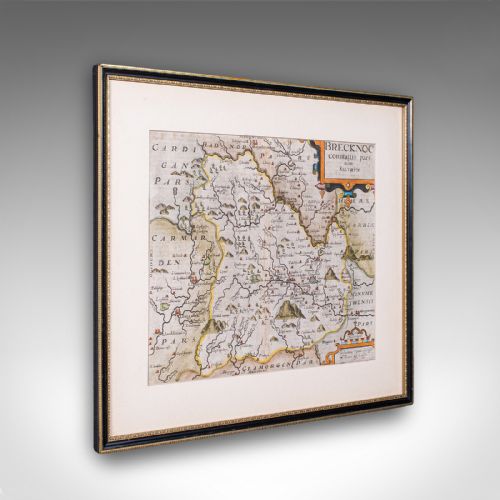
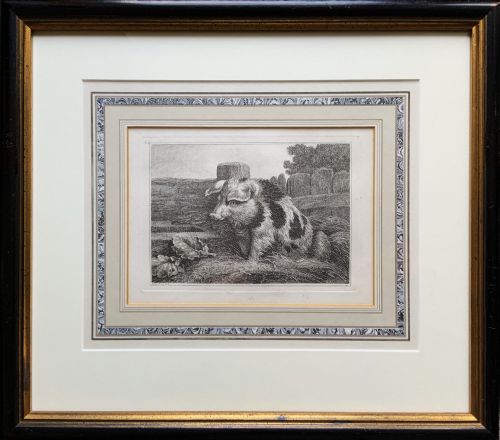
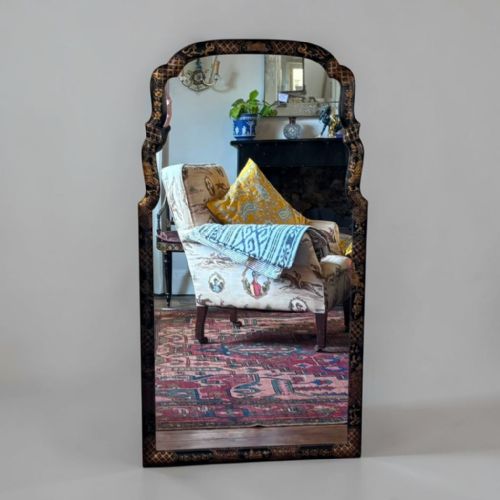
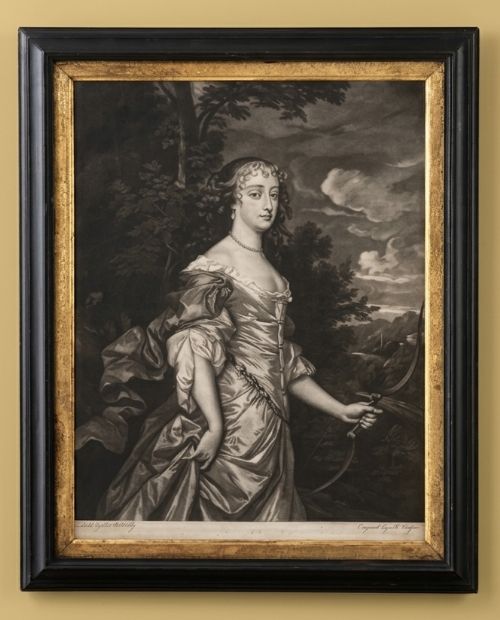
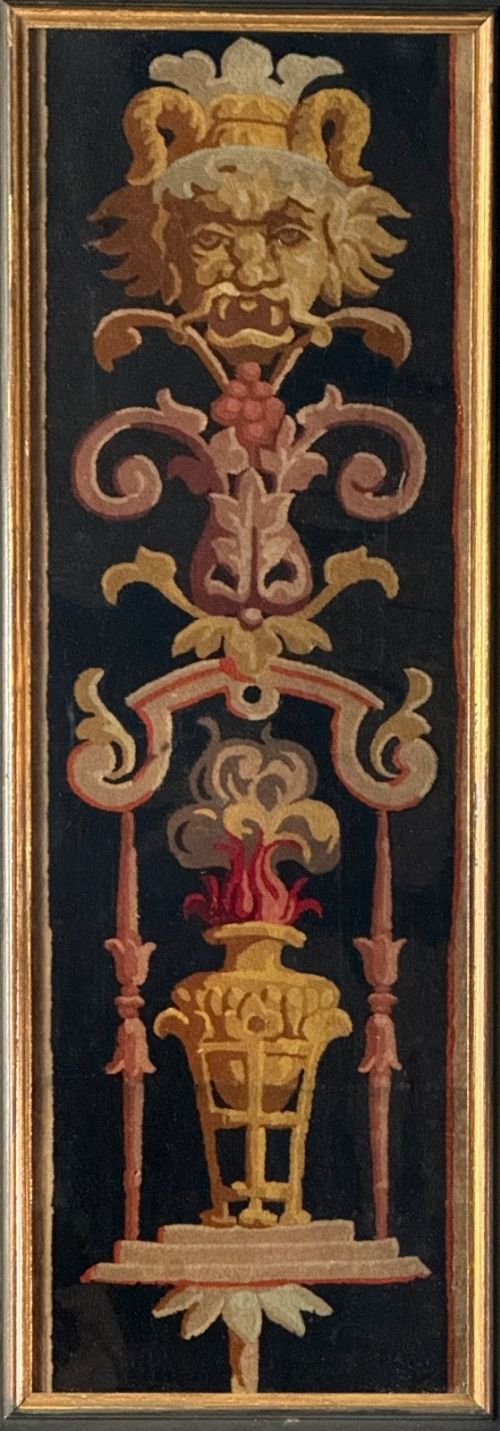
A black and gilt frame offers a striking contrast that brings depth and focus to historical portraits, prints, and mirrors.
Black and Gilt Frame
When you search for a black and gilt frame, you are looking at dark-finished or ebonised wooden mouldings accented with gold leaf or gilding designed to hold artwork and mirrors. These pieces span from the seventeenth century through to the early twentieth century, encompassing distinct periods such as the Georgian, Victorian, and Regency eras.
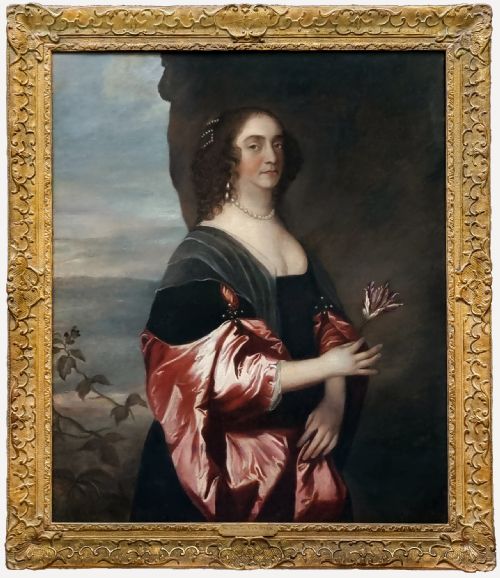
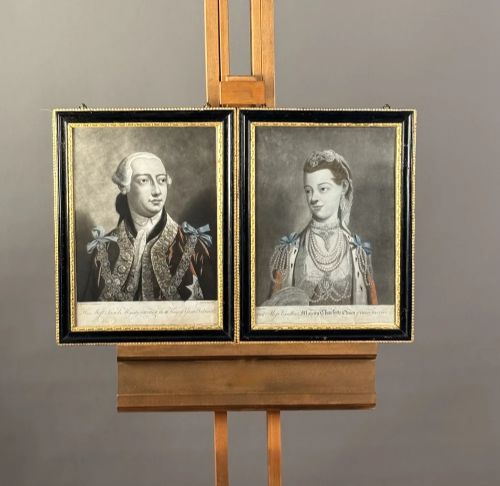
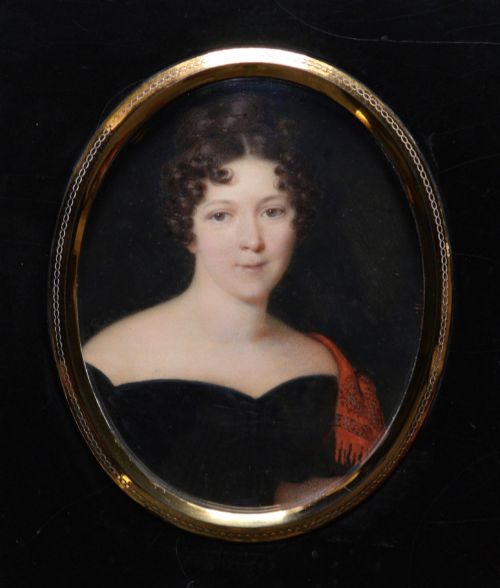
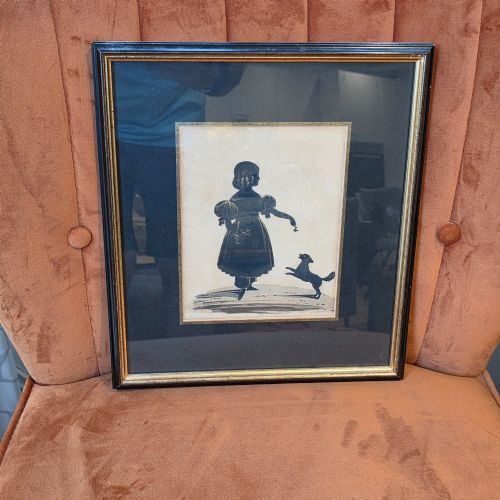
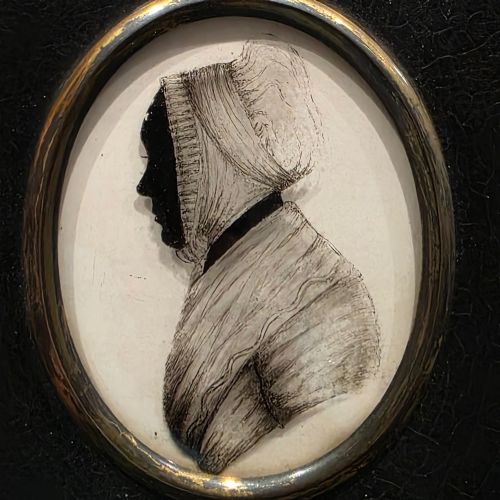
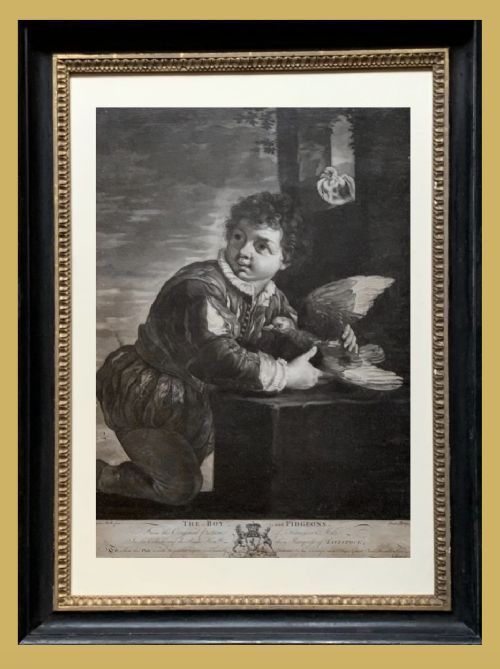
The objects housed within these borders include mezzotint portraits, oil paintings, silhouette miniatures, and wall mirrors. You are most likely to meet Victorian ebonised wall mirrors and eighteenth-century mezzotints sharing this distinct monochrome and metallic palette on this page.
The forms range from large overmantel mirrors and pier mirrors down to small silhouette jewellery pieces and delicate prints. Each item combines structural timber with reflective glass, paper, canvas, or textiles to create a complete decorative ensemble.
Materials and technique
Makers constructed the structural supports using wood, frequently employing ebonised wood or painted black surfaces to achieve a deep, light-absorbing dark finish. This dark foundation was then contrasted by applying gold leaf or gilt highlights to carved details and sight edges.
Artworks and mirrors were fitted with glass, paper, oil on canvas, or woven silk, protected behind timber and metal enclosures. Techniques varied from hand-carved parcel-gilt mouldings on Victorian mirrors to intricate stipple engravings and mezzotints housed within period surrounds.
Materials recorded across the inventory include ebonised wood, gold leaf, glass, oil on canvas, and woven silk.
What varies in quality
Quality rests in the crispness of the carving and the application of the gilding against the ebonised wood. Finely worked parcel-gilt mirrors and early mezzotints demonstrate superior hand-craftsmanship through refined detailing and balanced proportions.
The integrity of the original materials, from the depth of the gold leaf to the preservation of the underlying timber, dictates the standing of the piece. Superior examples maintain their original surfaces without excessive modern intervention.
William James Hubard·John Boydell·Sir Joshua Reynolds·Francesco Bartolozzi·Sir Peter Lely·Hans Holbein·William Hogarth
The Black and Gilt Frame Glossary
- Ebonised wood
- Timber treated with a dark stain or finish to imitate expensive ebony. This dark treatment provides the primary black ground characteristic of these surrounds.
- Giltwood
- Wood that has been prepared and coated with gold leaf or metallic powder. It catches the light and creates the bright contrast against the dark frame.
- Mezzotint
- A printmaking process where the copper plate is roughened to achieve rich tonal gradations. These works frequently appear within period black and gold surrounds.
- Overmantel mirror
- A large horizontal mirror designed to sit above a fireplace mantel. Many examples utilise ebonised and gilt framing to anchor period interiors.
- Silhouette
- A solid dark profile portrait, often cut from paper or painted on card or glass. They are frequently housed in small, dark, polished frames.
Black and Gilt Frame: Frequently Asked Questions
How do I date a black and gilt frame?
Dating relies on examining the construction methods of the wood, the style of the corner joints, and the formulation of the gesso and gold leaf. Earlier pieces often display hand-cut timber joinery and distinct layering beneath the metallic surface.
Secondary clues include the type of backing boards, fixings, and the medium of the artwork contained within. Comparing the moulding profile to documented Georgian or Victorian examples helps narrow down the period of manufacture.
What artwork suits these frames?
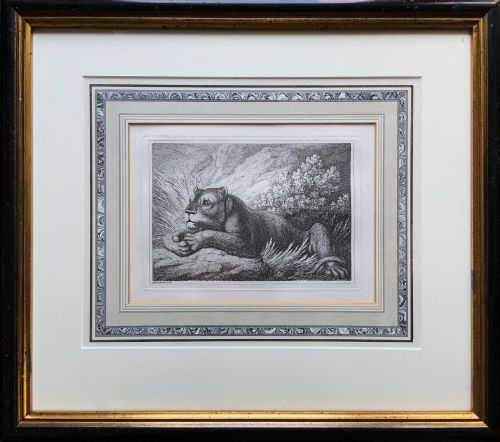
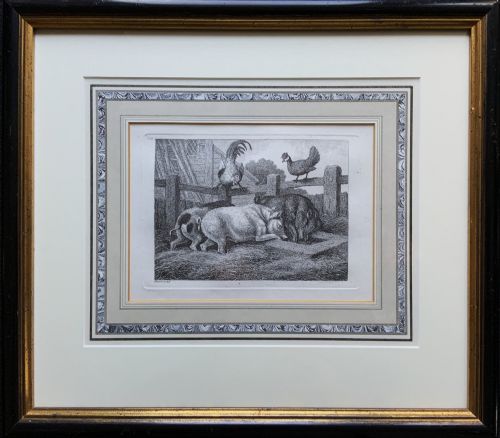
Monochrome works such as mezzotints, stipple engravings, and silhouettes find a natural visual partner in these dark and metallic borders. The heavy contrast helps isolate the subject and draws the eye directly into the composition.
Oil portraits from the seventeenth through to the nineteenth century also pair successfully with these surrounds. The gold leaf picks up warm tones in the painted canvas while the black border provides a strong boundary.
How should I hang a heavy mirror?
Large overmantel mirrors and tall pier mirrors require secure attachment directly into structural wall studs or masonry using appropriate fixings. The weight of the wooden frame and thick glass demands robust hardware distributed evenly across the upper span.
Consulting a professional installer ensures the wall structure can support the load safely. Avoid relying solely on decorative plaster or thin drywall without proper anchor supports.