


Bisque Porcelain Sculpture Group
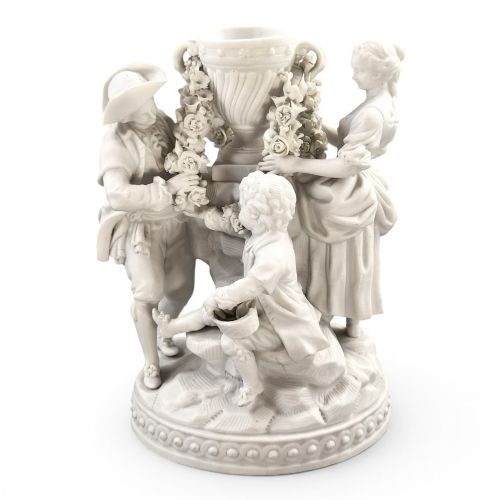
These bisque porcelain sculpture group pieces are unglazed white ceramic figures offering tactile detail, prized by collectors for their classical forms and sculptural purity.
Bisque Porcelain Sculpture Group
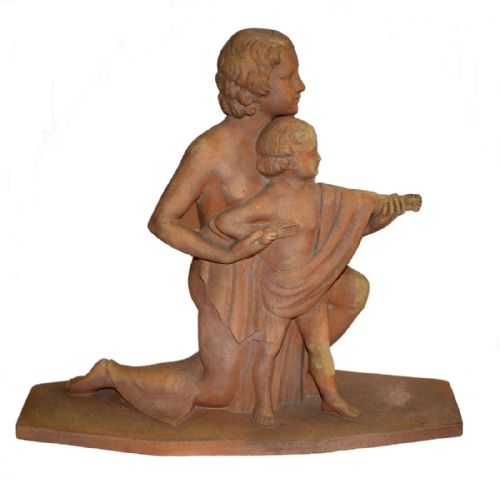
A bisque porcelain sculpture group presents multi-figure compositions rendered in unglazed ceramic, showing a matte finish that resembles carved marble. These works span periods from the Georgian era through the Victorian epoch and into the twentieth century, encompassing Neoclassical, French Rococo Revival, Art Nouveau, and Art Deco styles. Buyers exploring this category encounter sculptural groups depicting classical subjects, allegorical scenes, and figural narratives.
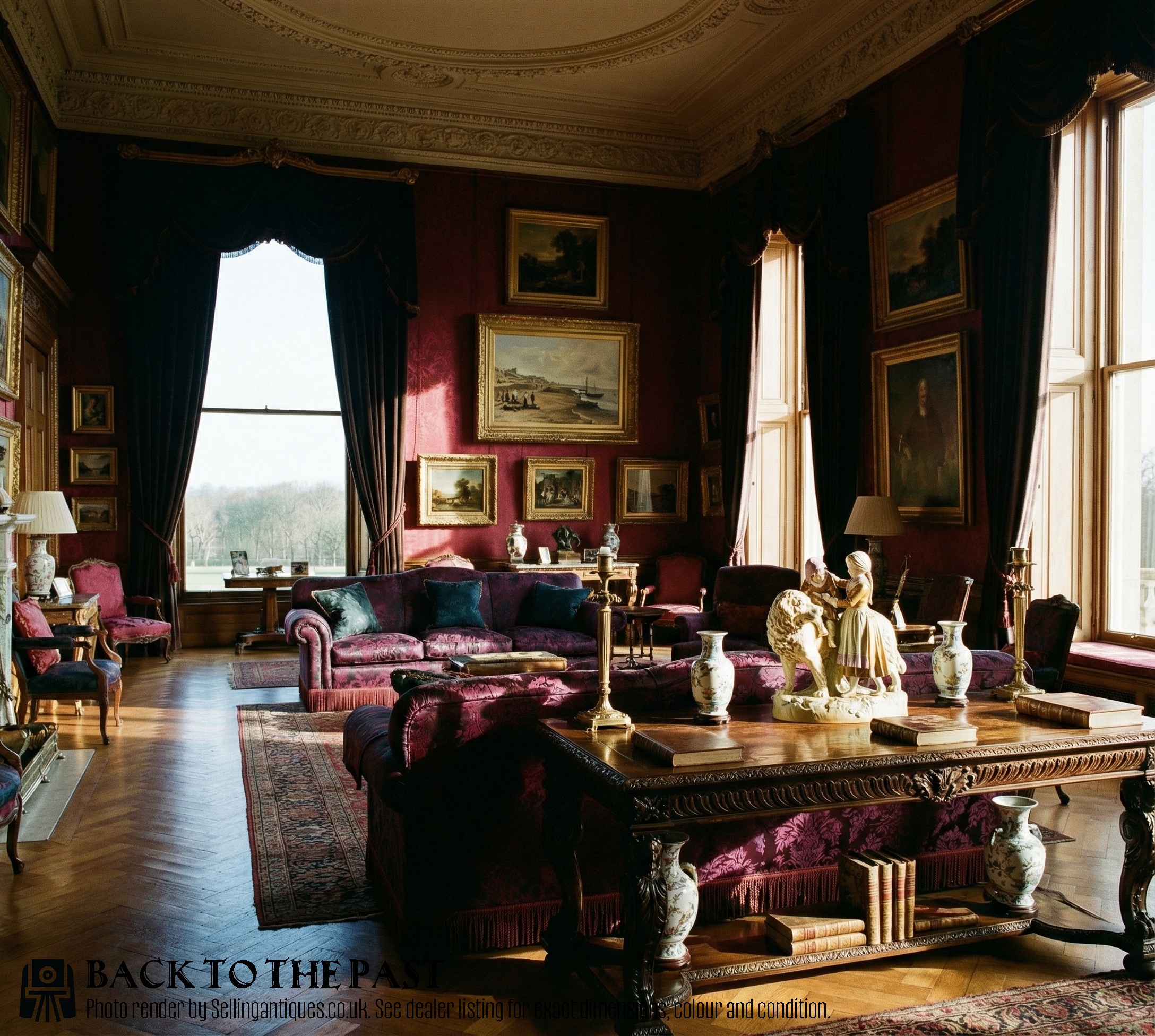
The most prevalent examples on this page are nineteenth-century French and English works, including parian ware and biscuit porcelain figural groups. These objects range from delicate cabinet pieces with floral garlands to substantial sculptural groups representing mythological or domestic subjects. Makers and factories across Europe produced these figures to serve as decorative centrepieces in period interiors.
Materials and technique
Makers produced these pieces using specialised ceramic paste, often known as biscuit or parian porcelain, fired without a glossy glaze to retain a smooth, porous surface texture. This deliberate absence of glaze allows intricate modelling, sharp facial expressions, and fine drapery folds to remain crisp and distinct.
Some compositions incorporate delicate additions such as enamel highlights or applied floral garlands, combining the matte white body with touches of colour. Workshops utilised multi-part moulds to cast complex figural groups before meticulous hand-chasing and firing at high temperatures.
Early makers occasionally added tiny unglazed flowers by hand, ensuring every fragile petal survived the kiln intact.
Evaluating quality
Quality in a bisque porcelain sculpture group rests upon the sharpness of the modelling and the depth of the undercut in the drapery and hair. Superior pieces display anatomical precision and crisp surface detail that survive the intense shrinkage of the kiln firing.
The sophistication of the composition and the reputation of the studio or modeller dictate the standing of an individual group. Finer examples exhibit balanced multi-figure interaction and careful clean-up of the seams, whilst lesser pieces show softer contours and simpler forms.
Luca Madrassi·Triebner Ens And Co·Copeland·Vion Et Baury·Royal Dux Bohemia
The Bisque Porcelain Sculpture Group Glossary
- Bisque porcelain
- Unglazed ceramic ware fired once or twice to achieve a matte, white, marble-like finish. This surface absorbs light differently than glazed porcelain, accentuating subtle sculptural contours.
- Parian ware
- A type of fine-grained white porcelain developed in Victorian Britain to imitate carved marble. It contains a high proportion of feldspar, which melts during firing to create a translucent, statuesque appearance.
- Biscuit porcelain
- An alternative term for unglazed ceramic figures, originating from the French process of firing twice without applying a surface glaze. It provides the ideal medium for capturing minute details in sculptural groups.
- Neo-Rococo
- A nineteenth-century revival style drawing upon eighteenth-century asymmetrical curves, scrolls, and naturalistic motifs. Figures in this style often feature exuberant ornamentation and dynamic, sweeping compositions.
Bisque Porcelain Sculpture Group: Frequently Asked Questions
What is a bisque porcelain sculpture group?
A bisque porcelain sculpture group is an unglazed ceramic composition featuring multiple figures, finished with a matte texture that highlights fine modelling.
These pieces range from classical mythological scenes to Victorian domestic narratives, produced across European factories.
How do I clean unglazed porcelain figures?
Cleaning requires a soft dry brush or a slightly damp cloth without harsh detergents, as the porous unglazed surface absorbs liquids easily.
Avoid submerging pieces, particularly those with delicate applied elements like floral garlands or painted enamel highlights.
Are parian ware and bisque the same?
Parian ware is a specific nineteenth-century British formulation of biscuit porcelain designed to imitate carved marble with a smooth, slightly translucent finish.
While both are unglazed, parian porcelain contains specific fluxes that produce a denser and more statuesque visual quality than standard biscuit bodies.
How can I tell the period of a sculpture group?
Dating relies on stylistic clues, sculptural style, subject matter, and factory marks stamped or incised into the base of the ceramic body.
Neoclassical and Rococo Revival forms indicate nineteenth-century origins, whereas streamlined, geometric contours point towards later Art Deco production.