

Birmingham Hallmarked Jewellery
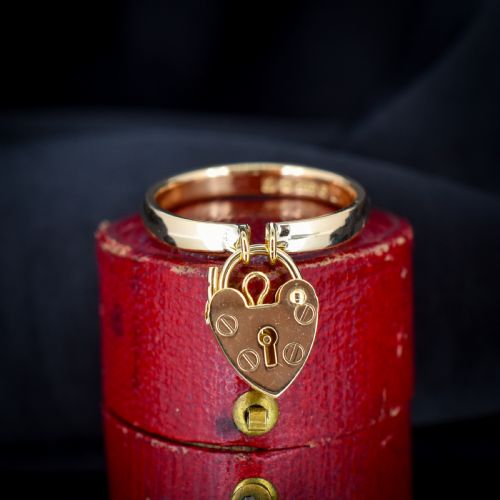
Birmingham hallmarked jewellery brings together centuries of British goldsmithing and assay office precision, offering rings, trinket boxes, and charms certified by the anchor mark.
Birmingham Hallmarked Jewellery
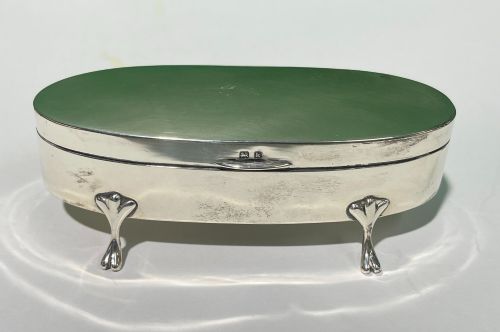
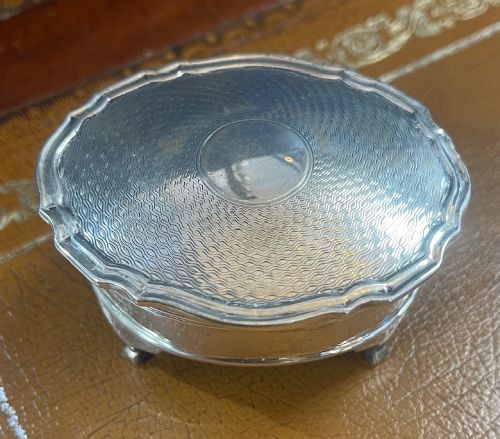
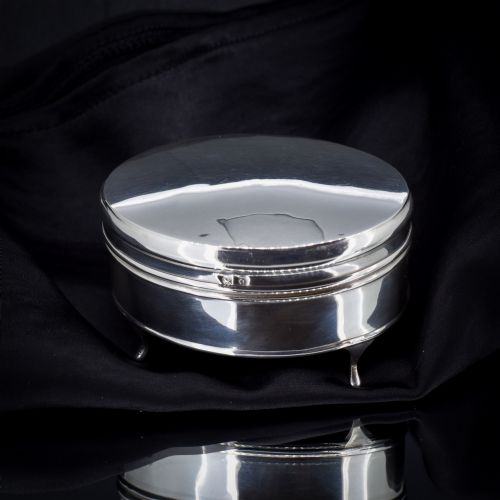
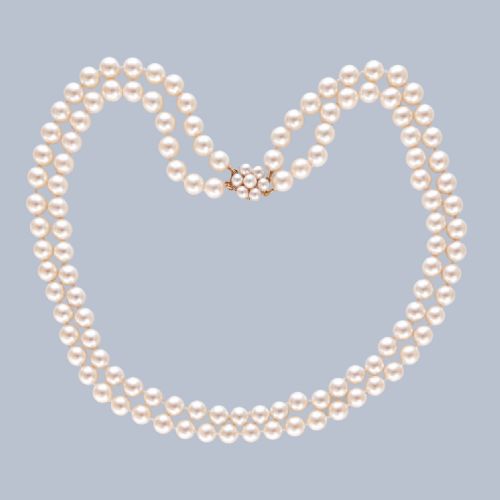
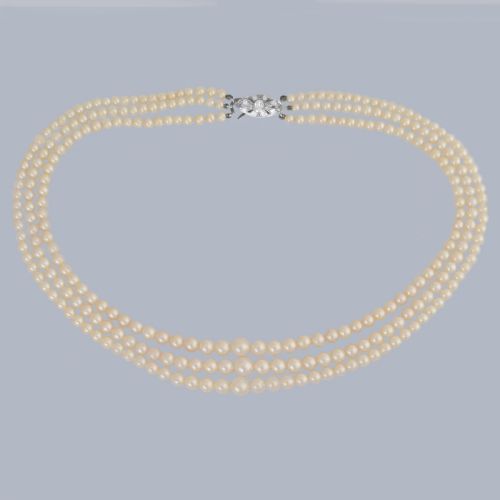
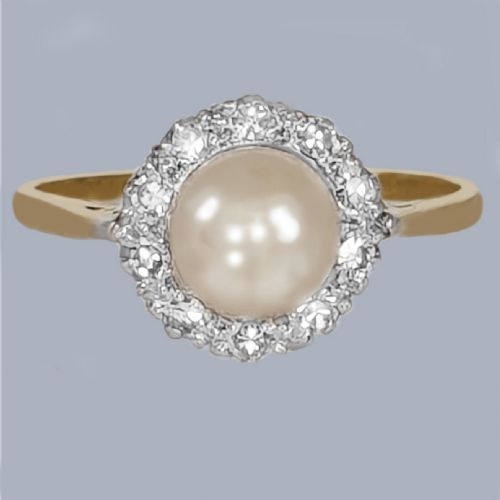
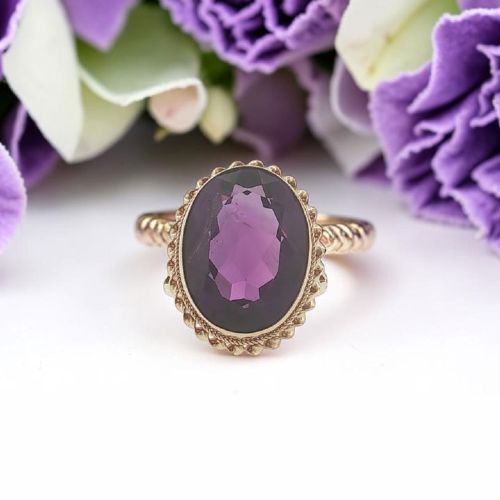
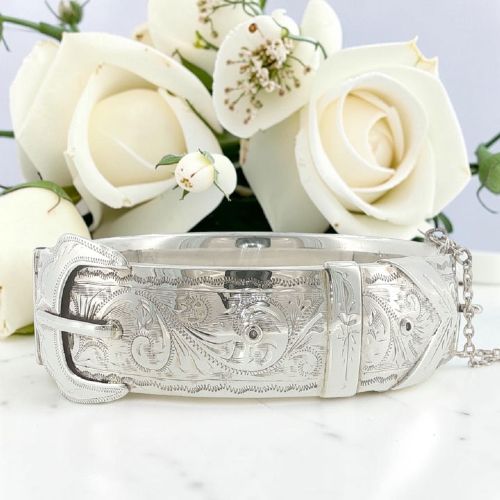
The pieces span various design movements, predominantly featuring Victorian, Edwardian, George V, and mid-century aesthetics in precious metals. Rings set with diamonds, rubies, sapphires, opals, garnets, turquoise, and pearls form a significant portion of the selection, alongside sterling silver bangles and boxes.
Makers and retailers represented across the selection include established firms such as Solomon Blanckensee Son, Walker & Hall, Henry Matthews, Henry Williamson Ltd, and Cropp & Farr. These items document changing British tastes from the late nineteenth century through to the 1970s while maintaining the legal assurance of their metal content through the Birmingham anchor stamp.
How birmingham hallmarked jewellery was made
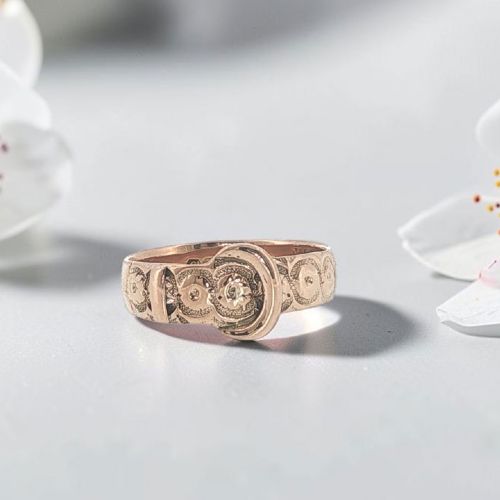
Craftsmen utilised 9ct gold, 15ct gold, 18ct gold, and sterling silver as the primary structural metals for these rings, boxes, and pendants. Metals were cast, hammered, and drawn into wire to form intricate components like buckle rings, mesh bracelets, and hinged trinket boxes.
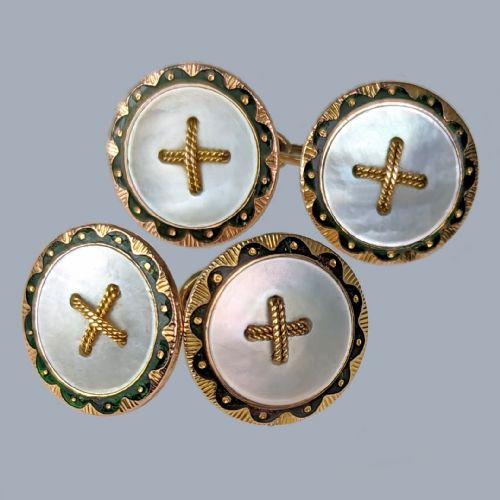
Gemstones including diamonds, natural opals, rubies, sapphires, amethysts, garnets, turquoise, and pearls were secured via claw settings, flush settings, or bezel mounts. Enamel work and mother of pearl inlay added colour and texture to silver belt buckles and gold cufflinks.
Once assembled, items were submitted to the Birmingham Assay Office for testing and stamping, applying the anchor hallmark alongside the maker's mark, standard fineness mark, and date letter to verify the purity of the precious metal.
Birmingham Hallmarked Jewellery Retail Price Guide 2026
Typical asking prices for birmingham hallmarked jewellery among the pieces listed under this phrase on Sellingantiques today, from the lower quarter to the upper quarter. They describe what is for sale here now, not the wider market.
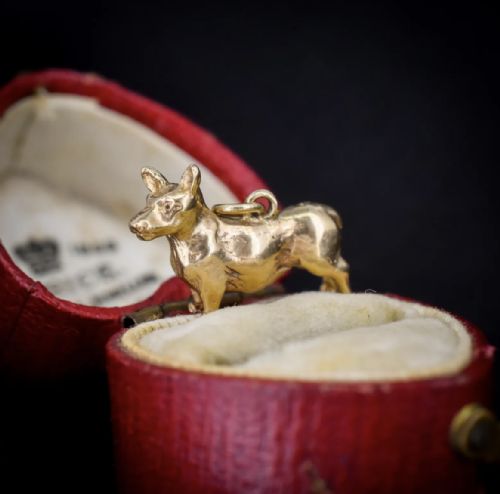
Listings span from Victorian silver boxes and Edwardian opal rings to mid-century pearl necklaces and 1970s novelty charm pendants.
What varies in quality
The standard of execution in birmingham hallmarked jewellery depends heavily on the precision of the goldsmith's handwork, particularly in the setting of small stones and the sharpness of chased or engraved details on silver boxes and buckle rings. Finer pieces demonstrate careful attention to the alignment of diamond, ruby, or sapphire trilogies and the crisp preservation of assay marks.
Material selection also dictates the upper tiers of the range, where higher carat gold weights, natural gemstones with strong colour and clarity, and intact enamel or mother of pearl elements elevate the piece. Maker attribution adds distinction, with signed works by notable workshops reflecting higher standards of period design and structural integrity.
Solomon Blanckensee Son·Walker & Hall·Henry Matthews·Henry Williamson Ltd·Cropp & Farr·William Griffiths & Son
The Birmingham Hallmarked Jewellery Glossary
- Birmingham Hallmark
- An official stamp featuring an anchor, denoting that an item of jewellery or silverware was tested and marked at the Birmingham Assay Office. This mark provides legal verification of the metal's purity.
- Boat Ring
- A traditional ring style featuring a row of gemstones arranged horizontally in a curved setting that resembles the hull of a boat. These are frequently found in Edwardian and Georgian gold jewellery.
- Trilogy Ring
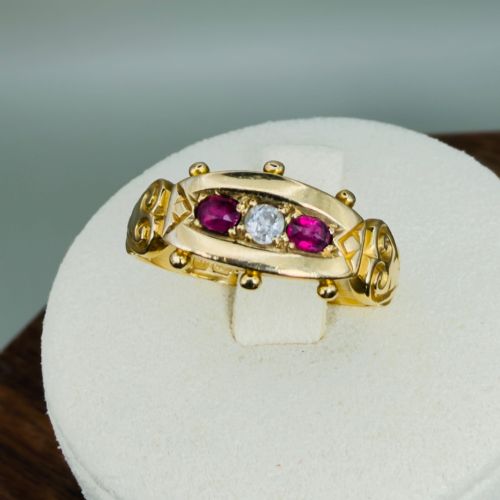
- A ring featuring three principal gemstones set in a row, often interpreted to represent the past, present, and future. Common combinations in this selection include diamonds paired with rubies or sapphires.
- Watch Fob
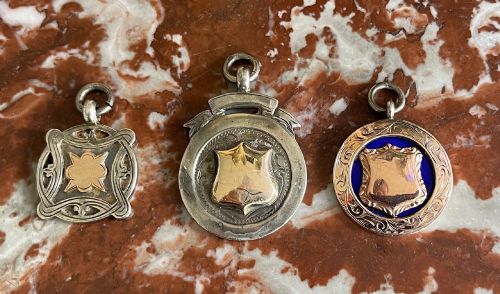
- A short chain or decorative pendant formerly attached to a pocket watch, often repurposed today as a charm or pendant. Many examples feature detailed silver engraving and Birmingham assay stamps.
- Date Letter
- A specific alphabetical character stamped alongside the hallmark to indicate the exact year the item was tested and certified. It is essential for determining the precise age of Victorian and vintage pieces.
Birmingham Hallmarked Jewellery: Frequently Asked Questions
What does the anchor mark mean?
The anchor symbol serves as the official town mark for the Birmingham Assay Office, indicating where the piece was officially tested for precious metal content.
Assay offices across Britain used distinct symbols to show origin, with Birmingham adopting the anchor in the eighteenth century.
How do I date my jewellery?
Dating relies on the specific letter punch included within the hallmark group, which corresponds to an assay office cycle chart for that year.
Additional clues come from the style of the mounting, the cut of any gemstones, and the presence of registered design numbers.
How should I clean antique silver?
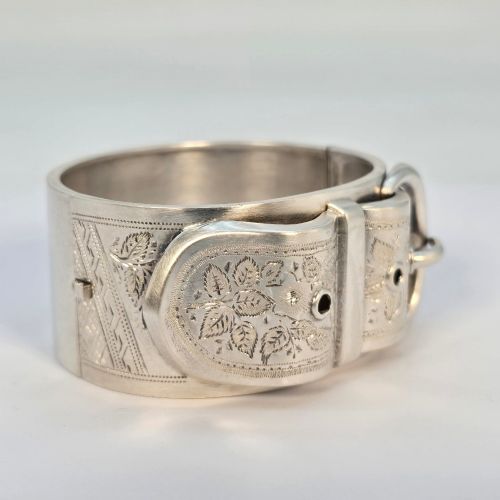
Silver trinket boxes and buckle bangles benefit from gentle cleaning with a soft cloth to preserve the dark patina in recessed engraved areas.
Avoid harsh chemical dips, particularly on items featuring enamel, mother of pearl, or soft gemstones like turquoise and pearls.