



Birmingham Hallmark Ring
When you handle a birmingham hallmark ring, you hold a piece stamped with the anchor symbol of the Midland assay office.
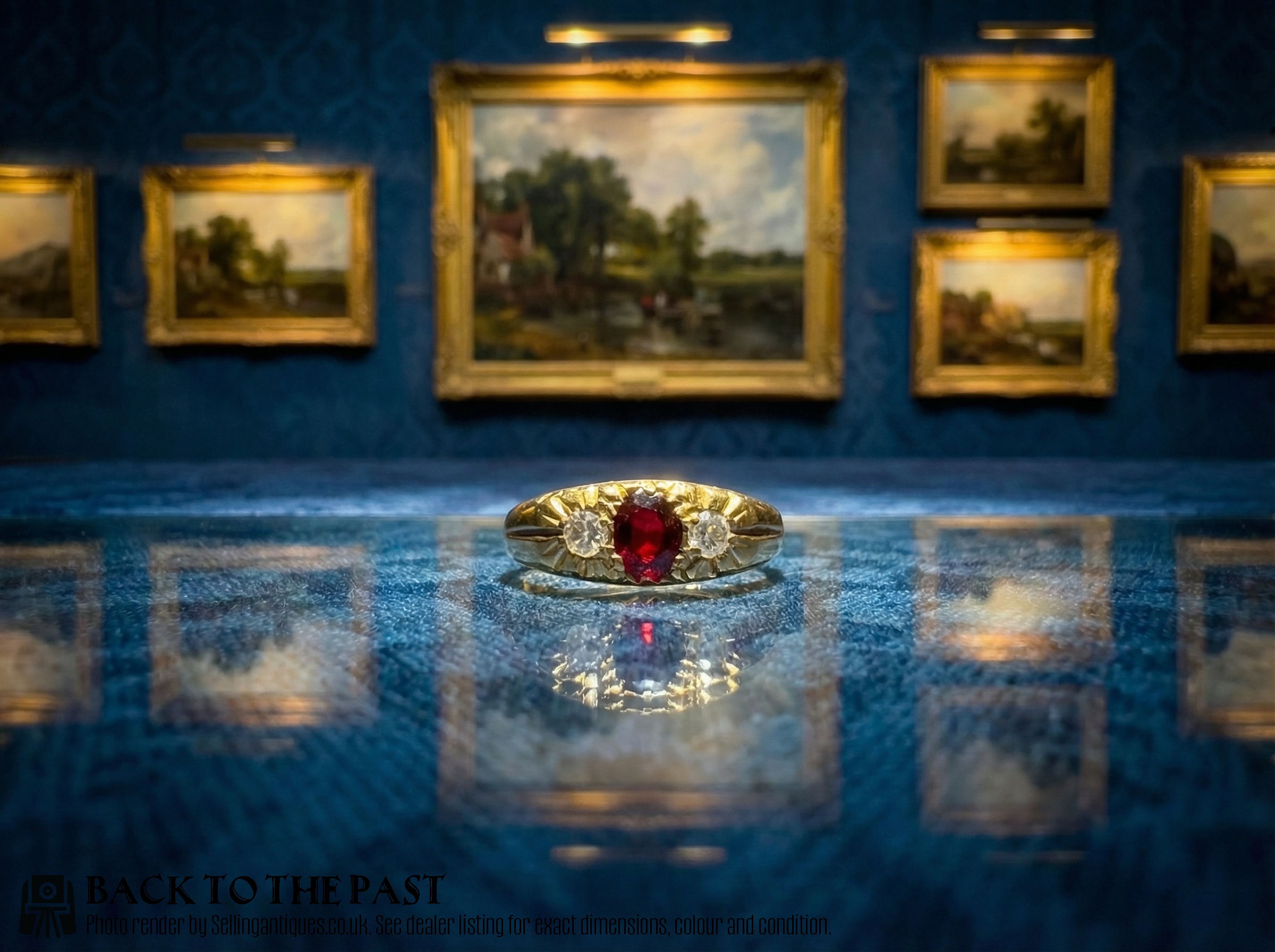
Birmingham Hallmark Ring
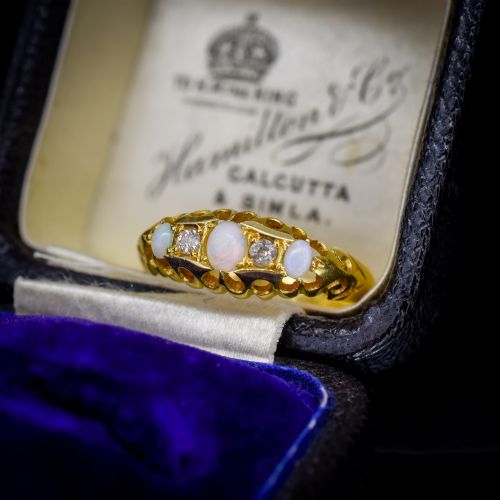
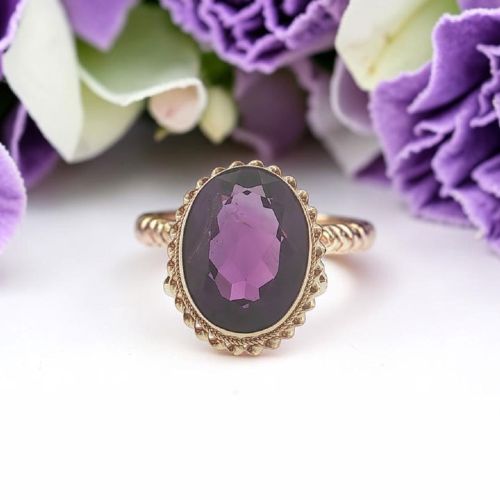
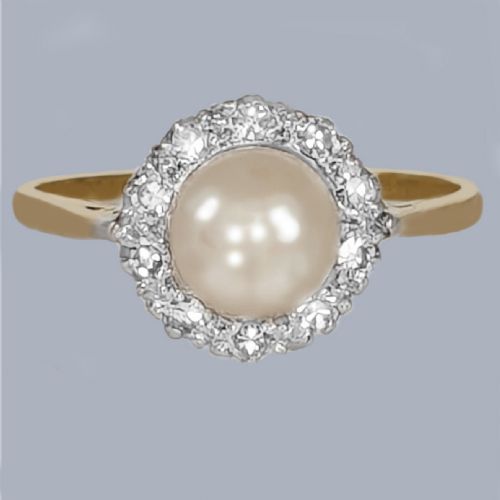
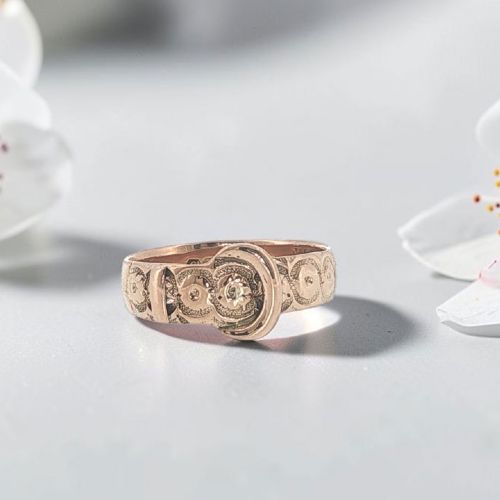
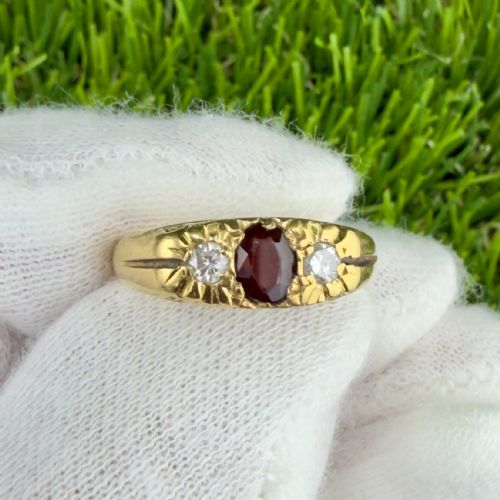
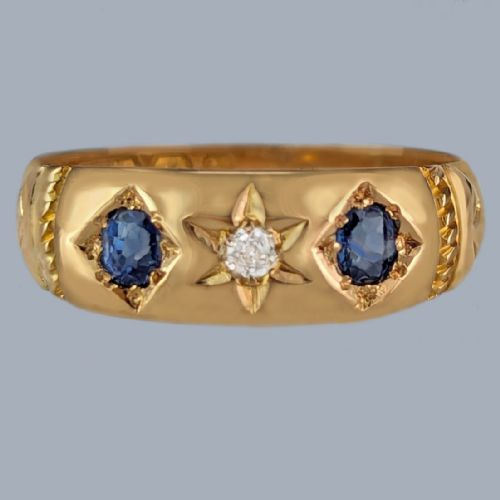
A birmingham hallmark ring covers a broad span of jewellery, from Victorian and Edwardian gold gemstone clusters to mid-century signet bands. The pieces on this page lean heavily into antique and vintage specimens, particularly multi-stone settings and decorative bands stamped in the Midlands.
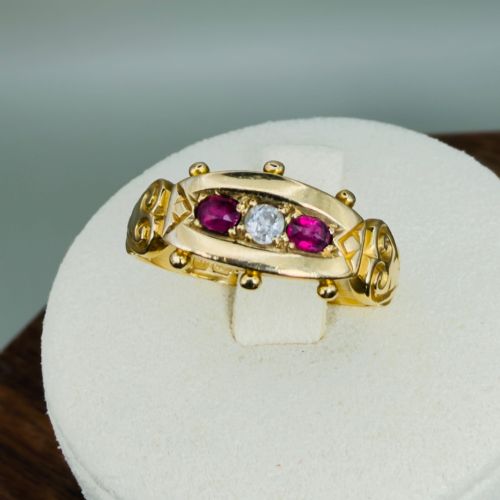
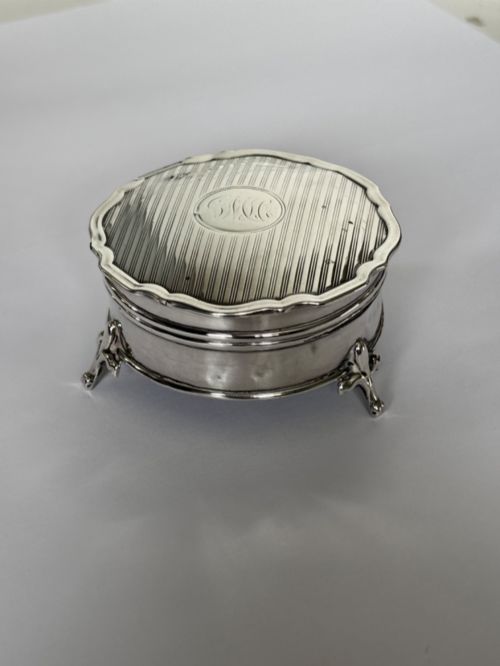
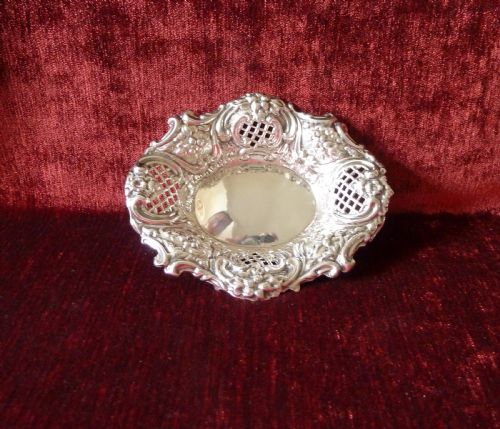
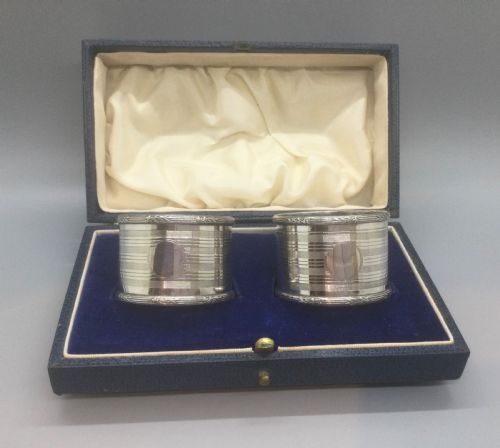
Trilogy rings, boat shapes, and buckle motifs dominate the older tiers, set with diamonds, rubies, sapphires, and opals. Alongside finger jewellery, the record also includes domestic silver items bearing the same assay office marks, though rings remain the primary focus.
Materials and construction
Goldsmiths utilised eighteen-carat and nine-carat gold for the structural bands, often mounting precious stones in claw or flush settings. Silver appears frequently in related domestic pieces, while the gold rings rely on traditional casting and hand-finished detailing.
Gemstones such as old-cut diamonds, natural opals, rubies, and sapphires provide the visual weight. Metal purity stamps sit alongside the distinctive Birmingham anchor and date letters to verify the standard of the precious metal.
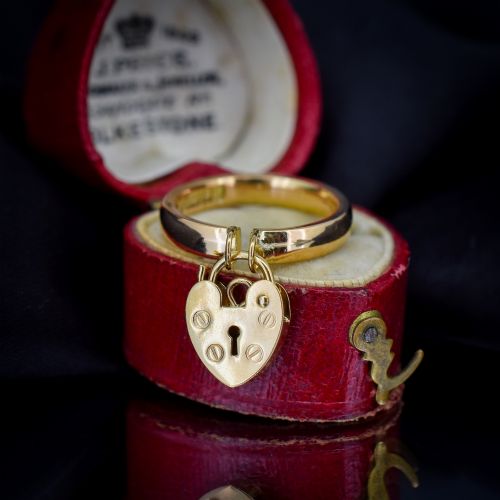
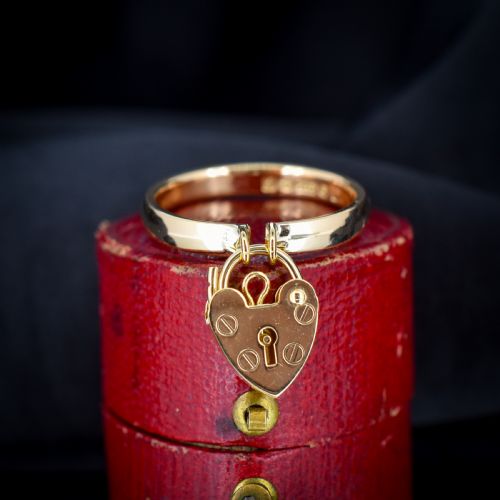
Secret pill compartments and padlock drops hide miniature treasures within solid gold bands.
Judging the standard
Quality rests in the crispness of the punch marks and the integrity of the original stone settings. Crisp, legible assay stamps indicate careful handling, while worn claws or replacement stones alter the original character of the piece.
The weight of the gold band and the matching quality of the chosen gems dictate the tier of the piece. Substantial shanks paired with well-matched diamonds or vibrant rubies mark out the superior examples from standard production.
C T Burrows And Sons·William Griffiths And Son·Henry Williamson Ltd·William Henry Sparrow
The Birmingham Hallmark Ring Glossary
- Birmingham Hallmark
- An official stamp featuring an anchor that certifies the precious metal standard tested at the Birmingham Assay Office.
- Boat Ring
- A traditional setting shaped like a shallow boat, popular in the Edwardian period for displaying graduated stones.
- Trilogy Ring
- A finger ring set with three principal gemstones, often interpreted symbolically as past, present, and future.
- Assay Office
- The independent statutory body that tests precious metals and applies official hallmark stamps to items.
- Old Cut
- A hand-faceted diamond cut predating modern brilliant standards, featuring a smaller table and a higher crown.
Birmingham Hallmark Ring: Frequently Asked Questions
How do I read the date letter on a birmingham hallmark ring?
Each assay year corresponds to a specific letter shape and shield outline stamped beside the anchor and the metal purity number. Comparing these punch shapes against official assay office tables reveals the exact year of testing.
Faint or rubbed stamps require magnification to identify the correct cycle. Over decades of wear, parts of the sponsor mark or date stamp can soften against the skin.
What is a boat ring setting?
A boat setting positions stones horizontally across the finger in an elongated, curved mount that tapers towards the shoulders. This style gained favour during the Victorian and Edwardian eras for grouping diamonds and rubies.
The low profile makes the design practical for daily wear while maximising the visual spread of the gemstones across the hand.
Are these rings suitable for daily wear?
Eighteen-carat and nine-carat gold bands handle regular use well, provided the stone settings remain secure and uncompromised. Softer stones like opals or turquoise require greater care than diamonds or sapphires to prevent scratching.
Checking the claws periodically with a jeweler ensures the gems stay firmly anchored in the metal mount over years of use.
Why does the gold colour vary between rings?
Gold alloys incorporate different metals like silver, copper, and zinc to alter both durability and colour hue. Victorian and Edwardian pieces often display a warmer rose tint or a softer yellow compared to modern compositions.
The specific alloy mixture determines whether the metal appears as yellow, white, or rose gold while meeting the stamped carat standard.