




Bird Study Artwork
These bird study artwork examples capture feathered subjects through centuries of observation, offering collectors precise natural history illustration and expressive mid-century naturalism.
Bird Study Artwork
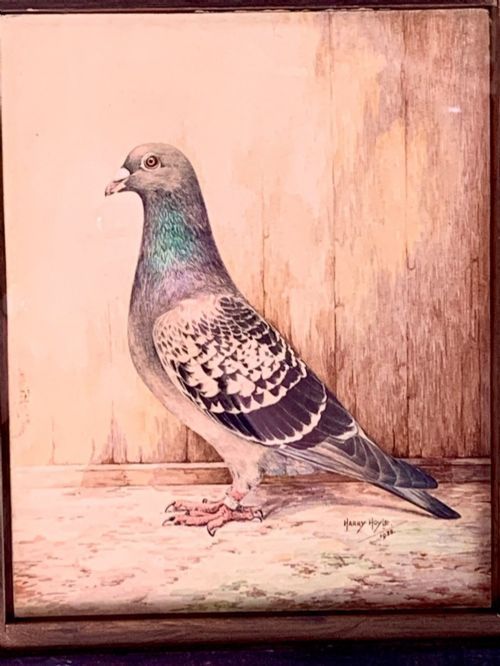
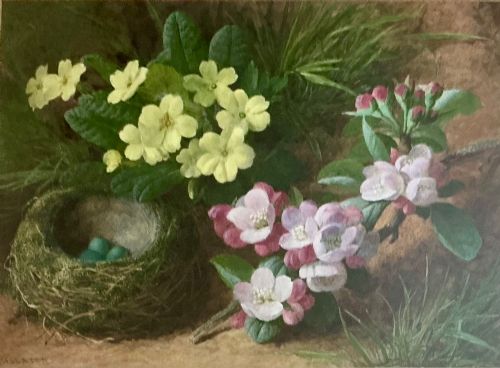
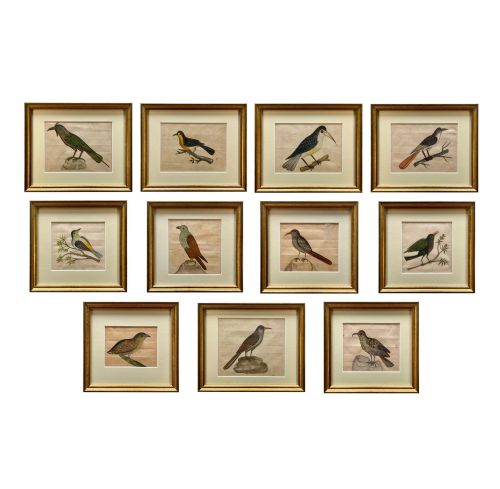
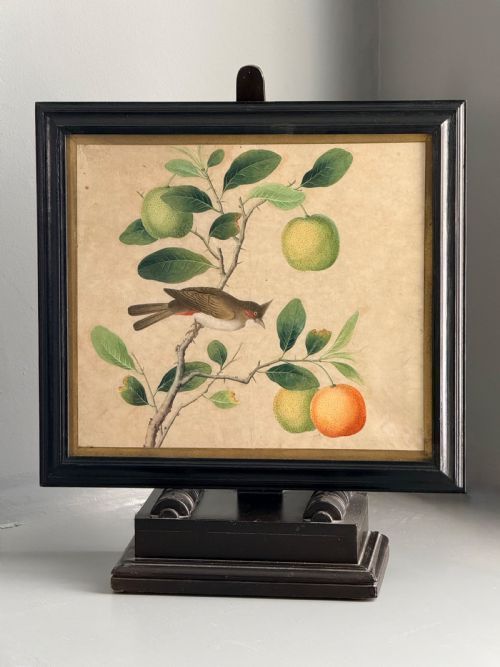
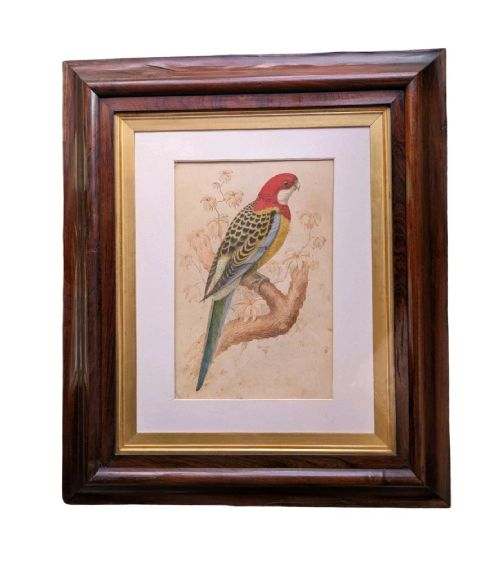
When you search for bird study artwork, you encounter varied representations ranging from 18th century gouache on pith paper to mid-century British watercolours and pencil drawings. These pieces function simultaneously as scientific observation and decorative wall art, recording species with careful attention to plumage and posture.
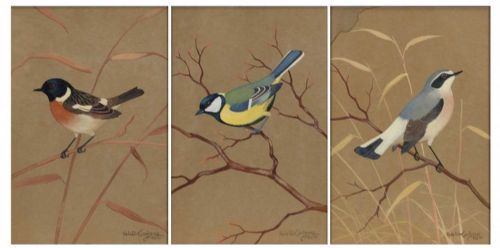
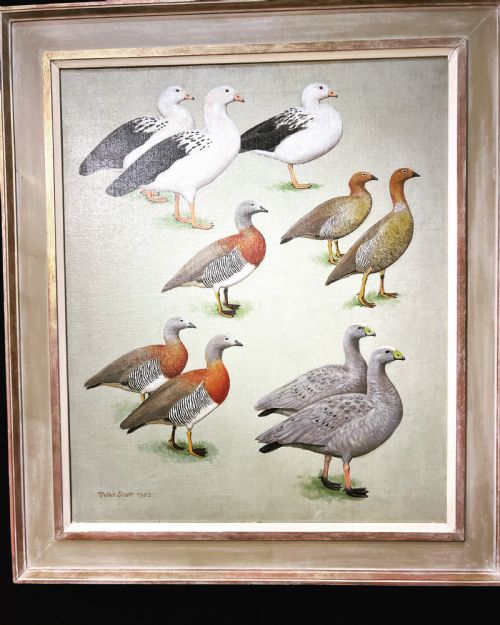
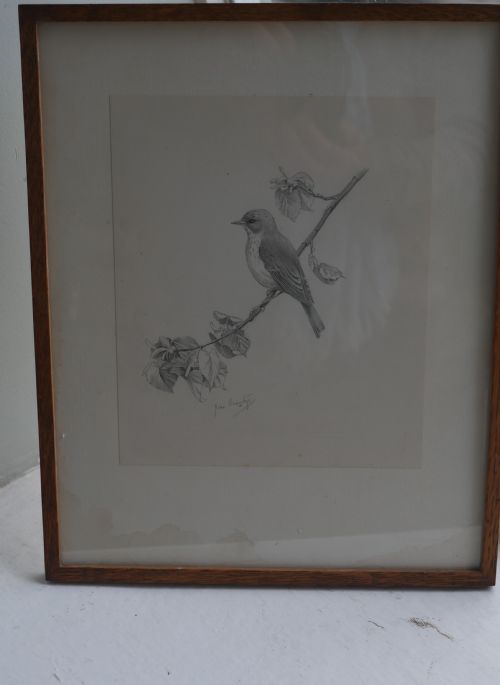
The most common examples on this page are 19th century and Victorian watercolours, alongside mid-century British paintings and ornithological studies. Artists render garden birds, parrots, and game birds across paper and canvas, framed simply to highlight the subject matter.
Materials and techniques
Watercolour paint and gouache dominate these works, applied to paper or pith paper to achieve fine feather detail and translucent colour washes. Graphite and pencil drawings provide precise preparatory lines or complete monochrome studies.
Support materials include standard paper, canvas, and fragile pith paper, often paired with early framing methods. Pigments capture the vibrant tones of exotic parrots and the muted shades of native British birds.
Bird Study Artwork Retail Price Guide 2026
Typical asking prices for bird study artwork among the pieces listed under this phrase on Sellingantiques today, from the lower quarter to the upper quarter. They describe what is for sale here now, not the wider market.
Listings span from the 18th century through to the 1960s, employing watercolour, gouache, graphite, and oil on paper and canvas.
What varies in quality
The distinction between standard decorative pieces and superior works lies in the precision of the ornithological rendering and the fluency of the brushwork. Skilled artists capture anatomical accuracy and the lively alertness of the bird rather than a stiff, mechanical transcription.
Provenance and attribution elevate certain works, particularly when signed by known natural history illustrators or exhibited painters. The preservation of the paper support and the vibrancy of the original pigments also determine the standing of each piece.
R Hurst·Sir Peter Markham Scott·Ralston Gudgeon·Dame Elisabeth Frink·M Simpson·William Andrews Nesfield·Harry Bright·Arthur Wardle·Paul-Louis Barruel·Henry Bird·Donald Watson
The Bird Study Artwork Glossary
- Gouache
- An opaque watercolour paint that provides heavier coverage and brighter matte colour than traditional transparent washes. It allows artists to build solid highlights on feathers.
- Pith paper
- A delicate material formed from the cellular pith of the rice paper plant, used extensively for export paintings in the eighteenth and nineteenth centuries. It requires careful handling behind glass.
- Ornithological study
- A scientific drawing or painting focused on the accurate depiction of bird species, anatomy, and plumage. These works bridge fine art and natural science.
- Chiaroscuro
- The strong contrast between light and dark within a painting, creating a dramatic sense of volume and depth. This technique appears in figure and animal studies alike.
- Naturalism
- An artistic movement focused on depicting subjects as they appear in nature without idealisation. In bird studies, this approach emphasises realistic habitats and behaviours.
Bird Study Artwork: Frequently Asked Questions
What is bird study artwork?
Bird study artwork comprises paintings, drawings, and illustrations focused on avian subjects. These range from precise scientific watercolours to expressive twentieth-century interpretations.
Creators use media such as watercolour, gouache, and pencil to capture the characteristics of various bird species.
How were these artworks used?
Historically, these studies served as scientific records for ornithologists and naturalists who needed accurate visual documentation of species. They also functioned as decorative wall art in homes.
Today, collectors frame and display these pieces to appreciate both their artistic merit and natural history value.
How do I care for antique watercolours?
Antique watercolours and works on paper require protection from direct sunlight to prevent fading. Framing with acid-free materials and UV-filtering glass helps preserve the pigments.
Keep these pieces in environments with stable humidity to avoid paper deterioration.