


Bird Illustration Art
Bird illustration art brings together natural history and fine execution, offering framed watercolours, engravings and lithographs spanning several centuries.
Bird Illustration Art
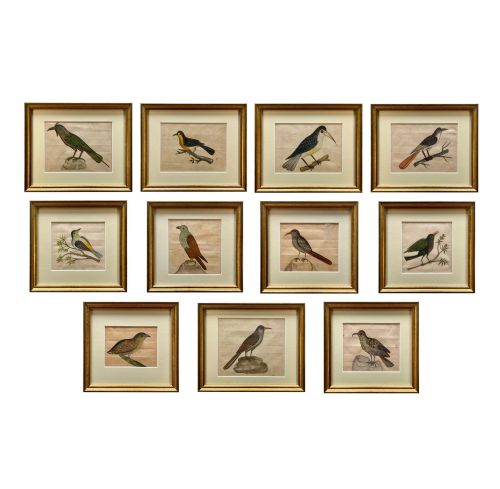
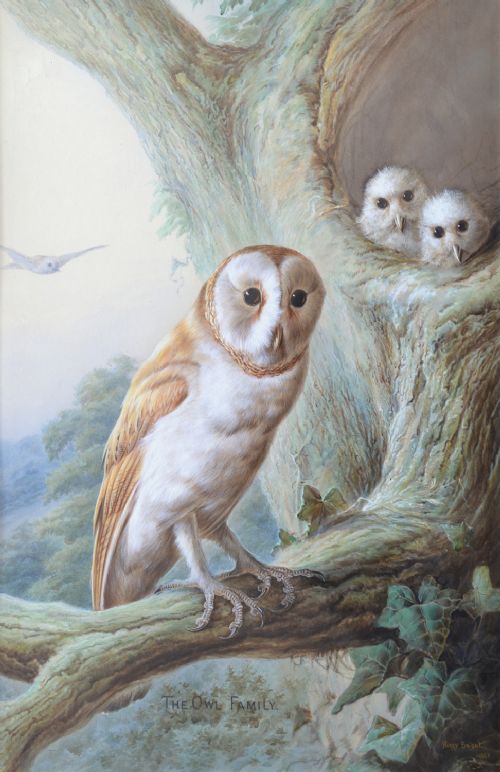
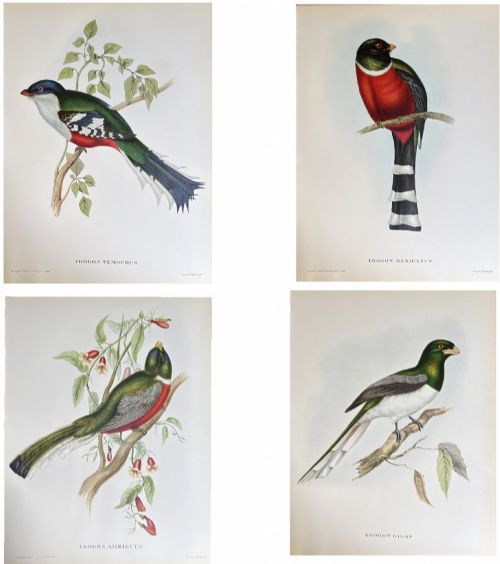
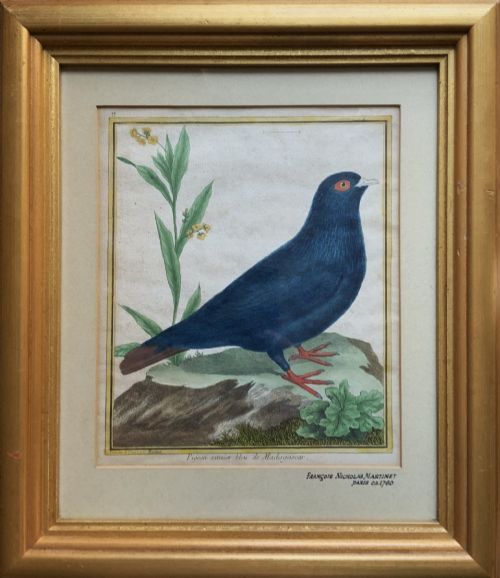
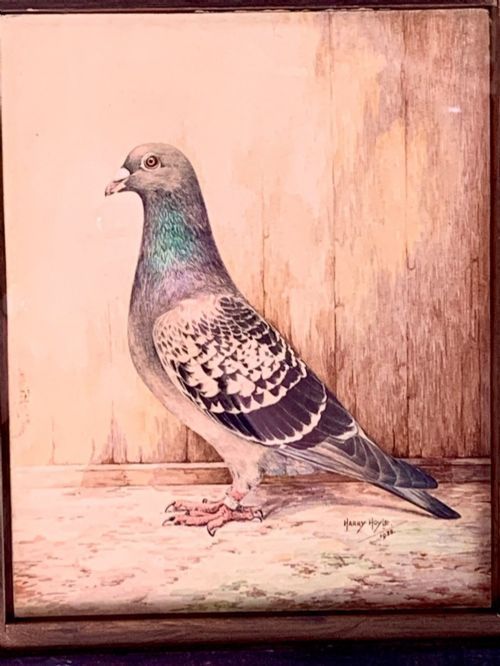
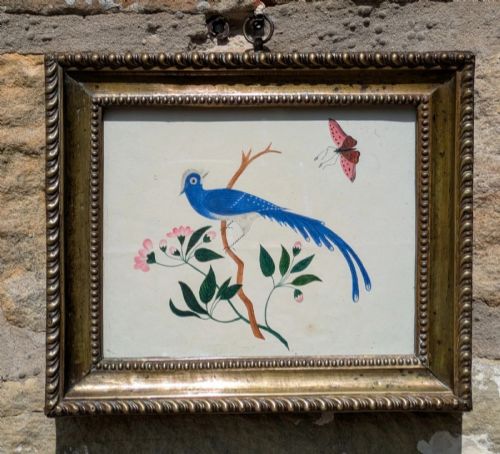
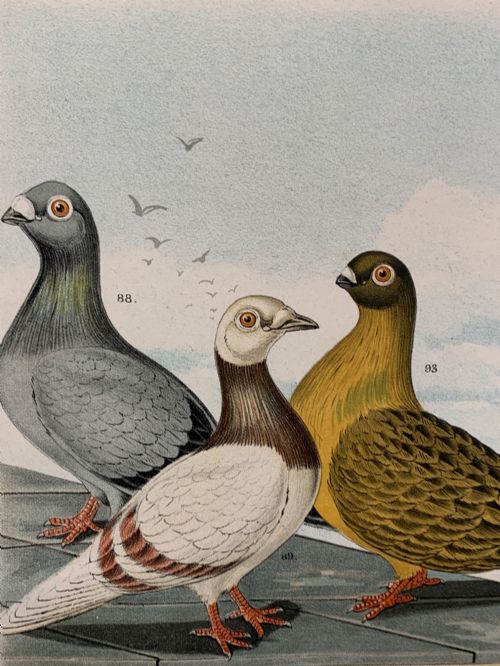
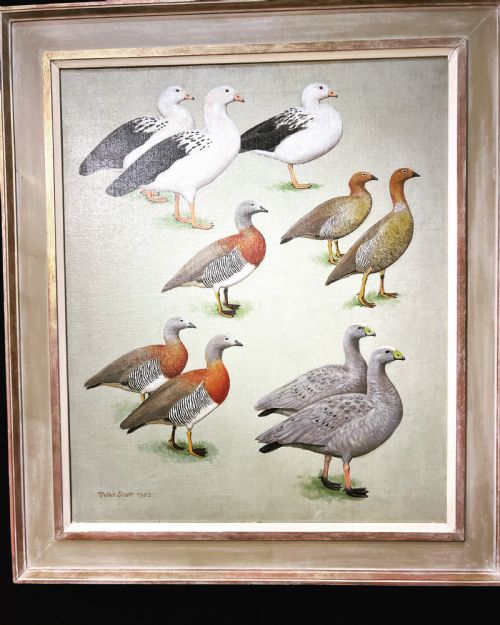
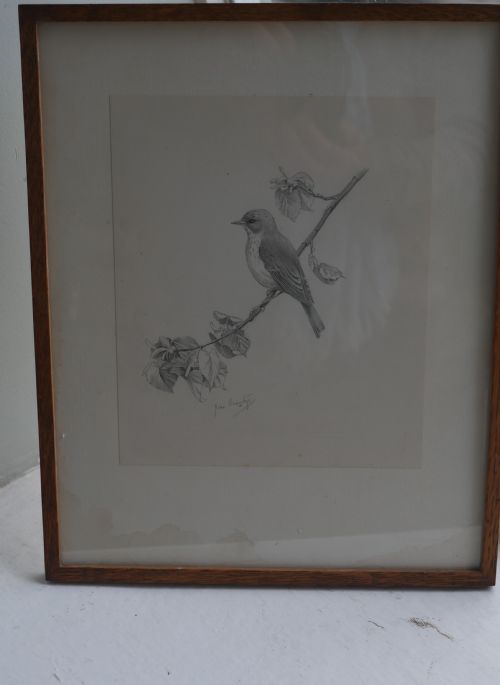
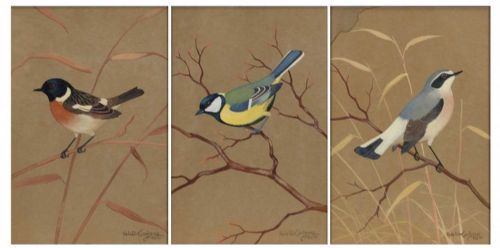
Bird illustration art encompasses original paintings, hand-coloured engravings and vintage lithographs depicting ornithological subjects. Pieces range from intimate nineteenth-century watercolours to mid-century studies and sets of tropical prints.
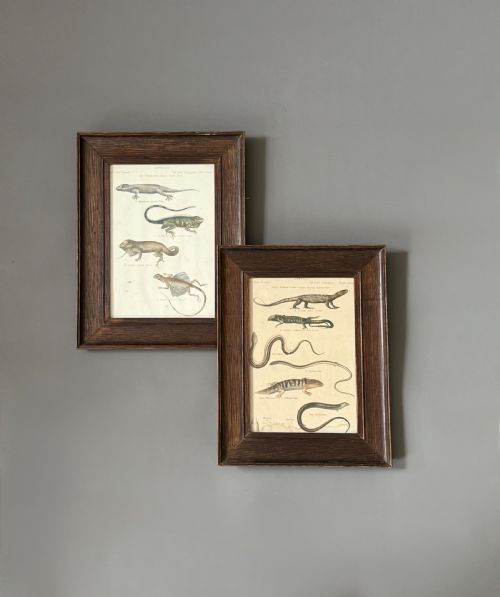
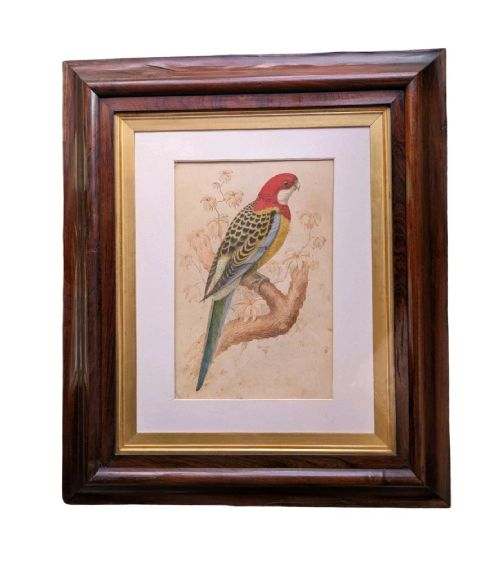
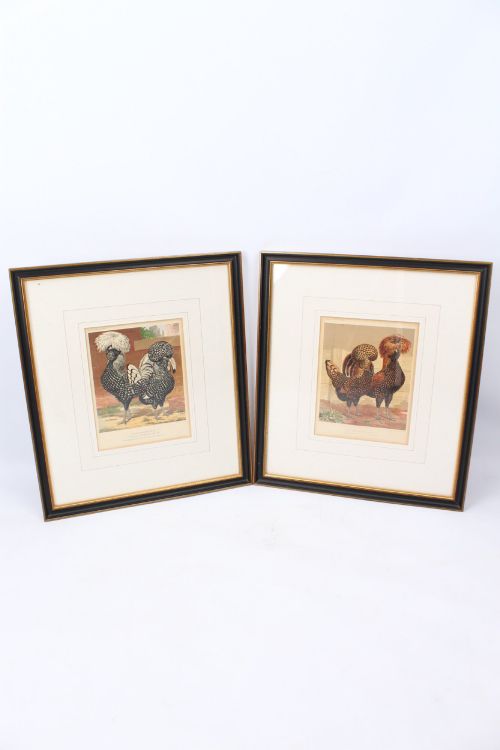
Buyers encounter framed works in wood and gilt mounts alongside unframed plates. The selection draws on natural history traditions from the Georgian, Victorian and mid-century periods, showing native garden birds alongside exotic parrots and game species.
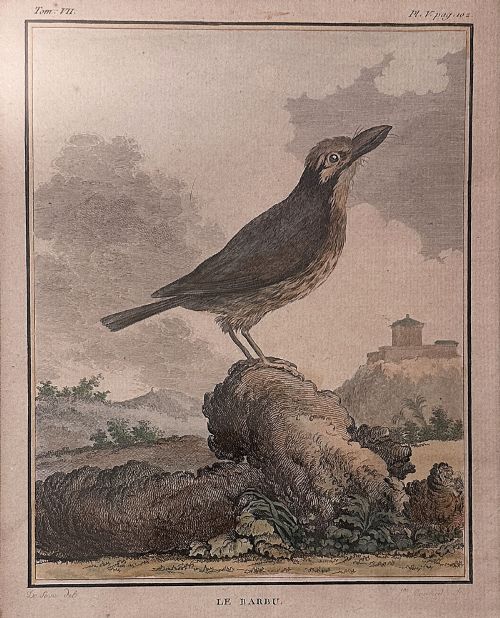
Intricate hand-colouring defines many of the earlier plates, while twentieth-century examples employ precise watercolour washes and pencil lines. The forms vary from single collector studies to matching sets suitable for wall display.
How they were made
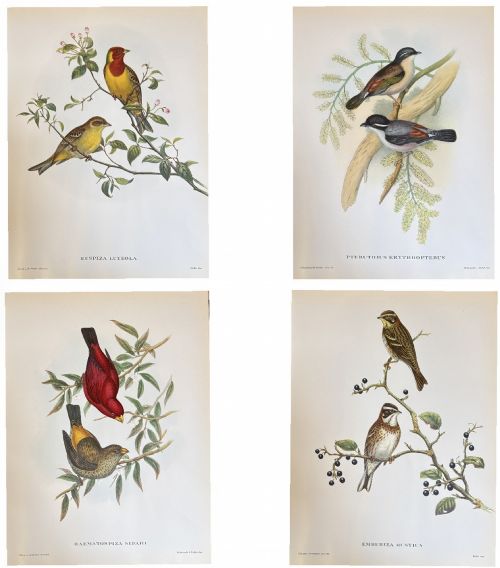
Artists and naturalists worked primarily on paper using watercolour, ink and pencil to capture plumage and posture. Engravings and lithographs provided the foundation for prints, which artisans then finished by hand with watercolour or gouache.
Mounting and framing utilised traditional materials such as ebonised wood and gilt leaf to protect delicate paper surfaces. Sets of prints often survived in groups thanks to careful preservation in portfolios and bound volumes before later framing.
Bird Illustration Art Retail Price Guide 2026
Typical asking prices for bird illustration art among the pieces listed under this phrase on Sellingantiques today, from the lower quarter to the upper quarter. They describe what is for sale here now, not the wider market.
Materials recorded across the selection include gold leaf, gilt wood, ink, pencil and watercolour.
What varies in quality
Quality rests on the precision of the draughtsmanship and the vibrancy of the pigments used on the paper. Skilled works capture anatomical accuracy and posture with fine brushwork or sharp plate impressions.
The survival of original colour without fading distinguishes superior plates, alongside the quality of contemporary framing materials like gilt wood mounts. Complete sets matching the original publication or artist output hold distinct appeal.
Harry Bright·William Bird·François Nicolas Martinet·R Hurst·Sir Peter Markham Scott·Ralston Gudgeon·Charles F Tunnicliffe·William Andrews Nesfield·Eloise Harriet Stannard·George Edwards·R Lauritsch·William Swainson·Edward Lear·Robin Hill·Michael Jackson
The Bird Illustration Art Glossary
- Lithography
- A planographic printing process utilising stone or metal plates to produce multiple impressions. Artists used this technique for botanical and ornithological plate production.
- Engraving
- A printmaking method where lines are cut into a metal plate to hold ink. Fine lines define the feather detail on early bird illustrations.
- Gilt Wood
- Wood carved and coated with gold leaf or metallic paint. This material frequently appears on antique frames and mounts.
- Ornithological
- Pertaining to the scientific study and depiction of birds. These studies form the core of natural history illustration.
Bird Illustration Art: Frequently Asked Questions
How do I care for antique watercolours?
Keep paper works away from direct sunlight to prevent the watercolour pigments and hand-colouring from fading over time.
Maintain stable humidity levels in the room to protect the paper substrate and any original gilt wood framing.
Are these works original or prints?
The selection includes both original hand-painted watercolours and historical printed plates, such as nineteenth-century engravings and lithographs.
Printed items often feature hand-applied watercolour washes added by artisans at the time of publication.
How can I tell the period of a piece?
Stylistic clues, paper characteristics and framing methods help indicate the era in which the artwork was created.
Signatures, dates, and historical printing techniques such as early lithography provide further chronological context.
How were these bird illustrations used historically?
Many plates originated in scientific volumes and natural history folios produced for collectors and researchers.
Artists also created standalone watercolours for private display in domestic interiors and country houses.