




Birch Wood Chairs
Birch wood chairs offer striking pale grain and sturdy seating, bringing distinct Scandinavian character and classic nineteenth-century forms into a room.
Birch Wood Chairs
When buyers search for birch wood chairs, they encounter seating spanning the nineteenth and early twentieth centuries, featuring distinct regional European designs. The selection relies heavily on Scandinavian origins, particularly Swedish workshops producing classical and modern iterations.
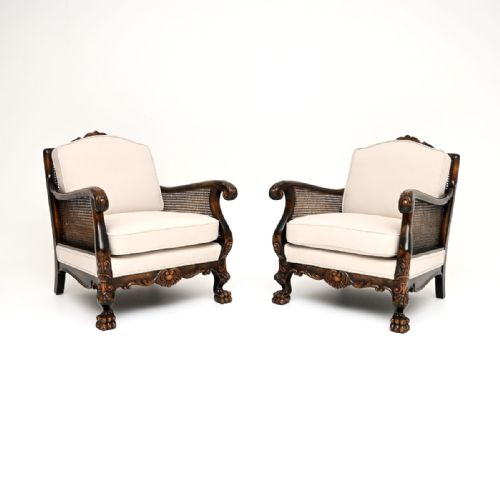
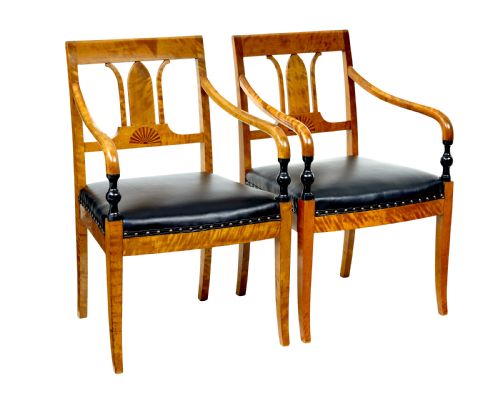
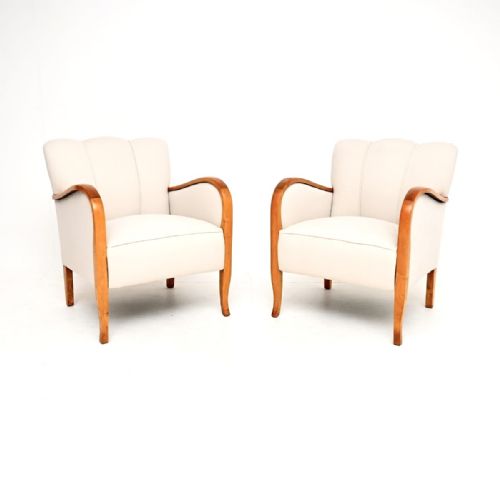
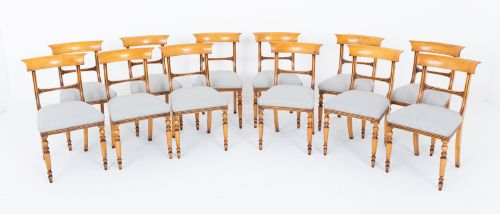
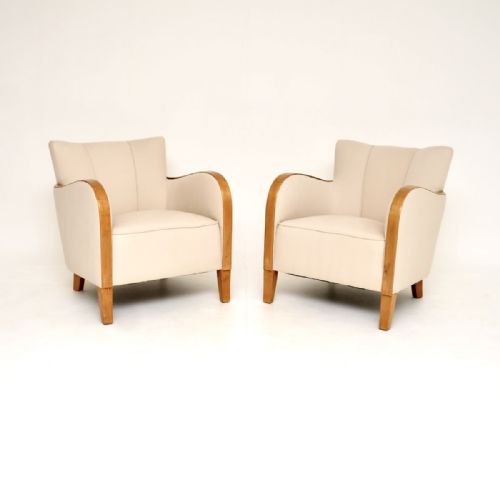
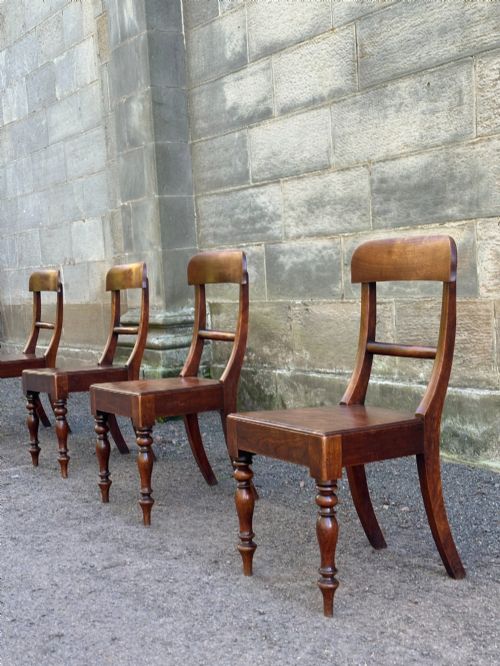
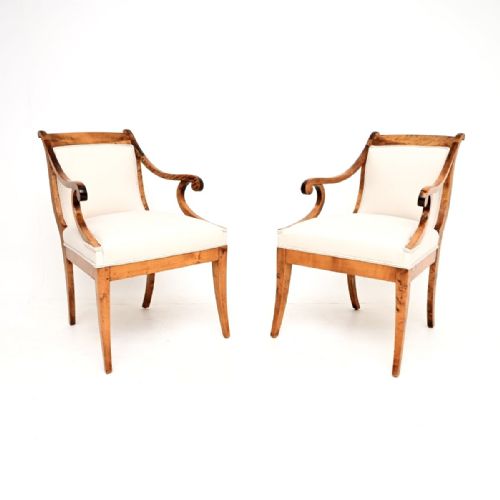
The most common forms on this page include pairs of armchairs from the Art Deco and Biedermeier periods, alongside dining sets and side chairs. These pieces range from nineteenth-century Empire and Karl Johan styles to robust twentieth-century club chairs.
Seating arrangements extend beyond individual chairs to include larger suites, dining sets with multiple chairs, and occasional rocking chairs. The defining characteristic across these objects remains the use of birch and satin birch timbers, often combined with elm or ebonised wood details.
Materials and construction
Makers utilised solid birch and decorative satin birch veneers over supportive timber cores to achieve both structural strength and striking surface patterns. Burr birch selections added complex, swirling grain figures to prominent surfaces on armchairs and lounge suites.
Construction frequently incorporated secondary woods such as elm for structural components, alongside applied details in ebonised wood for contrast. Metal elements like brass appear subtly, while upholstery incorporates leather, fabric, and specialised textiles to finish the seats.
Birch Wood Chairs Retail Price Guide 2026
Typical asking prices for birch wood chairs among the pieces listed under this phrase on Sellingantiques today, from the lower quarter to the upper quarter. They describe what is for sale here now, not the wider market.
Listings feature periods from the nineteenth century through to 1930, utilising birch, satin birch, elm, fabric, leather, and ebonised wood.
Assessing quality in birch furniture
The distinction between standard examples and the finest pieces rests upon the selection and matching of timber veneers. Satin birch and burr birch surfaces with deep, active grain patterns command greater visual presence than plain timber.
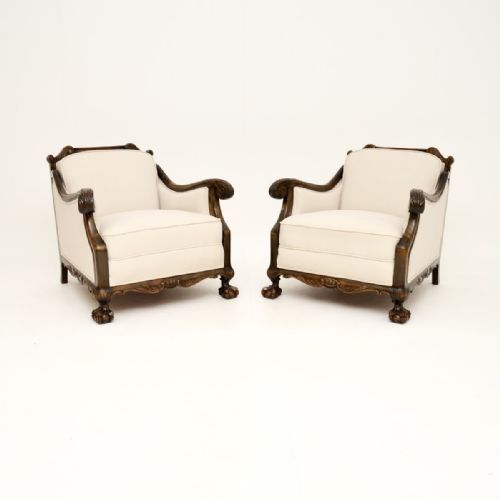
Execution of period details, such as carved elements on Swedish armchairs or precise ebonised accents, dictates the refinement of the piece. The integration of high-grade upholstery fabrics and leather also separates basic seating from superior decorative suites.
The Birch Wood Chairs Glossary
- Satin birch
- A timber variant exhibiting a natural sheen and smooth texture, highly prized for decorative veneer work on nineteenth and twentieth-century European furniture.
- Biedermeier
- A Central European design movement spanning the nineteenth century, known for clean lines, utilitarian comfort, and emphasis on native wood grains.
- Art Deco
- An international design style prominent in the early twentieth century, characterised by streamlined forms, geometric symmetry, and rich surface textures.
- Karl Johan
- A Scandinavian revival style drawing on Empire influences, featuring restrained neoclassical motifs and dark wood contrasts against pale birch.
- Ebonised wood
- Timber treated with a dark stain or finish to imitate ebony, frequently used for contrasting frames, mouldings, and decorative trim.
Birch Wood Chairs: Frequently Asked Questions
How do I care for satin birch surfaces?
Clean pale birch timbers regularly with a soft, dry cloth to remove dust without abrasive cleaners. Avoid placing antique seating in direct sunlight to protect the natural tone of the wood.
Maintain indoor humidity levels to prevent timber movement or veneer cracking over time. Natural wax polishes applied sparingly will preserve the sheen of satin and burr birch.
Are these chairs suitable for daily dining?
Dining chairs from nineteenth-century sets and twentieth-century groups provide sturdy seating for regular use. Ensure joints remain firm and upholstery supports daily weight comfortably before routine placement.
Pairing antique side chairs with a compatible table creates a functional dining arrangement. Protect seat fabrics with appropriate treatments if utilised in high-traffic dining spaces.
What defines Swedish Art Deco chairs?
Swedish Art Deco seating combines streamlined twentieth-century forms with traditional pale Scandinavian timbers. These armchairs typically showcase figured satin birch or burr birch veneers.
Design elements focus on curved silhouettes and balanced proportions rather than heavy carving. They offer a lighter aesthetic compared to heavier walnut or mahogany equivalents.
How can I identify Biedermeier birch furniture?
Biedermeier furniture relies on unadorned surfaces that highlight the natural grain of birch and satin birch. Forms are practical, comfortable, and restrained in decorative ornamentation.
Look for architectural lines and occasional ebonised wood details that frame the pale wood. These pieces date primarily from the nineteenth century and originate across Northern Europe.