




Bezel Set Engagement Ring
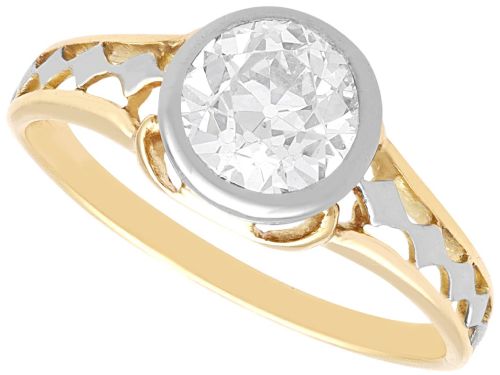
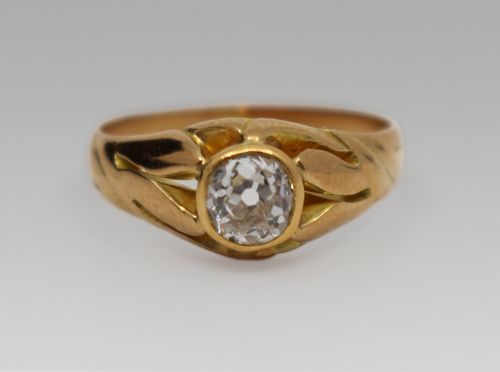
A bezel set engagement ring secures the central stone within a metal rim, offering a sleek profile and robust protection.
Bezel Set Engagement Ring
A bezel set engagement ring uses a continuous metal collar to hold the primary gem securely in place. This design protects the stone's girdle and provides a smooth surface that avoids snagging on clothing. Buyers seeking this style will encounter numerous variations dating from the early twentieth century through the mid-century period.
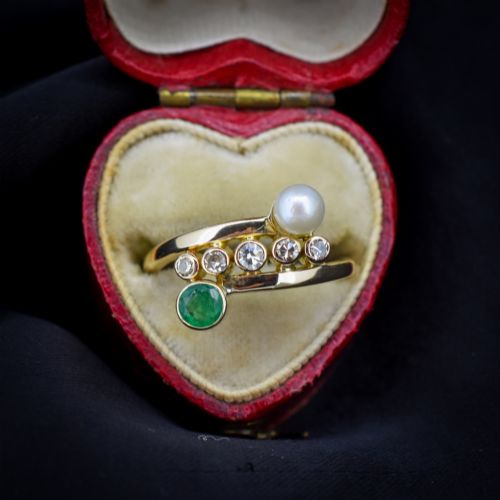
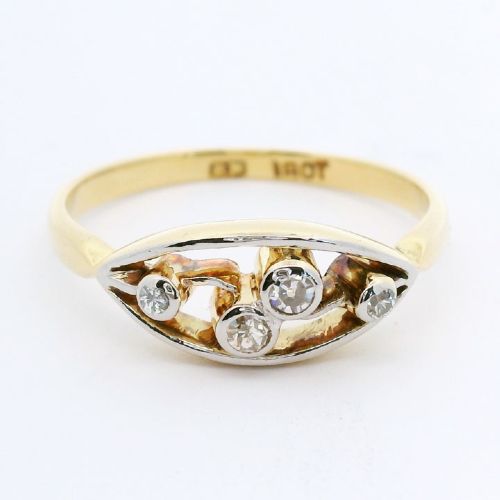
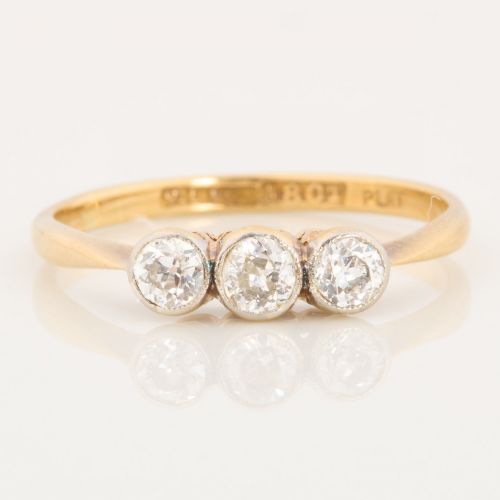
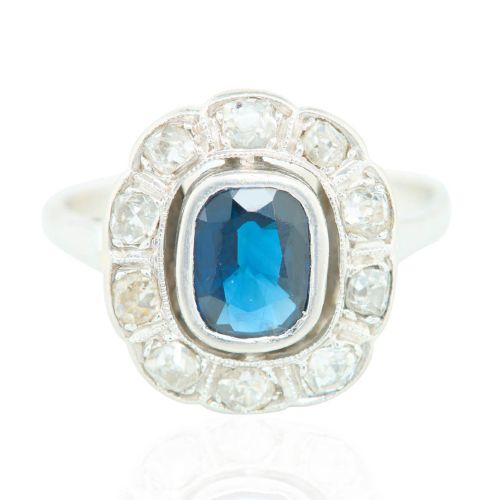
The selections span distinct historical periods including Edwardian, Art Deco, and Mid-Century designs. Common forms range from single stone solitaires to complex multi-stone clusters and trilogy configurations. Precious metals such as platinum, yellow gold, and white gold frequently frame diamonds, sapphires, and emeralds.
Materials and construction methods
Goldsmiths constructed these rings primarily using platinum or various karats of gold, including 14ct and 18ct white and yellow gold. These durable metals permitted the creation of thin, precise metal rims that folded neatly over the edge of the gemstone. Artisans also incorporated fine enamel work and delicate milgrain detailing to enhance geometric mounting designs.
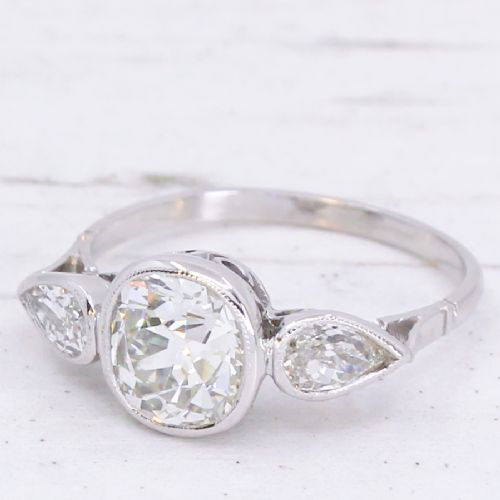
Gemstones were cut by hand during the Edwardian and Art Deco eras, resulting in old cut, old cushion, and old pear stones with unique facets. These older diamond cuts fit directly into custom-shaped bezel settings, paired occasionally with calibre-cut sapphires and emeralds in cluster arrangements.
Bezel Set Engagement Ring Retail Price Guide 2026
Typical asking prices for bezel set engagement ring among the pieces listed under this phrase on Sellingantiques today, from the lower quarter to the upper quarter. They describe what is for sale here now, not the wider market.
Listings span platinum and gold variations featuring Edwardian, Art Deco, and Mid-Century aesthetics.
Evaluating craftsmanship and proportion
The highest quality bezel set engagement ring examples demonstrate precise metalwork where the surrounding rim hugs the stone uniformly without gaps. Master jewellers ensured the collar thickness matched the scale of the gemstone, balancing metal presence with stone brilliance. Superior pieces maintain crisp geometric lines, particularly in Art Deco configurations.
Material selection and gemstone weight dictate the upper tier of the range, notably in platinum solitaires and certified old cut diamonds. The integrity of the setting wall determines longevity, as a well-formed bezel protects the stone edges through decades of daily wear while preserving the original design symmetry.
The Bezel Set Engagement Ring Glossary
- Bezel
- A method of stone setting where a thin strip of metal is wrapped around the perimeter of a gemstone to hold it securely. This technique is sometimes referred to as a rubover setting.
- Old Cut
- A historic diamond-cutting style preceding modern brilliant cuts, characterised by smaller tables, higher crowns, and larger culets. These stones display a softer, distinctive candlelight sparkle.
- Trilogy Ring
- A ring featuring three main stones set side by side, traditionally symbolising the past, present, and future. These are frequently seen with central diamond configurations.
- Cluster Ring
- A design arrangement where a central gemstone is encircled by a border of smaller accent stones, often diamonds framing a sapphire or emerald.
- Milgrain
- A decorative jewellery technique consisting of a row of tiny raised metal beads along the edges of a setting. This detail is characteristic of Edwardian and Art Deco craftsmanship.
Bezel Set Engagement Ring: Frequently Asked Questions
What is a bezel setting?
A bezel setting encircles the gemstone with a collar of precious metal rather than holding it with traditional protruding claws. This technique secures the stone firmly within the band.
Jewellers shape the metal rim tightly over the edge of the gem, creating a smooth profile that protects the girdle from impact.
Are these rings durable for daily wear?
These rings offer high durability because the continuous metal rim shields the edges of the central gemstone from knocks and catches. Platinum and 18ct gold mountings withstand regular daily use exceptionally well.
Owners should still have jewellers inspect the setting periodically to ensure the metal rim remains tight against the stone.
What stones are used besides diamonds?
Coloured gemstones appear frequently alongside diamonds, particularly rich blue sapphires and green emeralds. These stones are arranged in cluster formations or traditional three-stone trilogy layouts.
Tanzanite and tinted yellow diamonds also feature in mid-century and art deco designs.